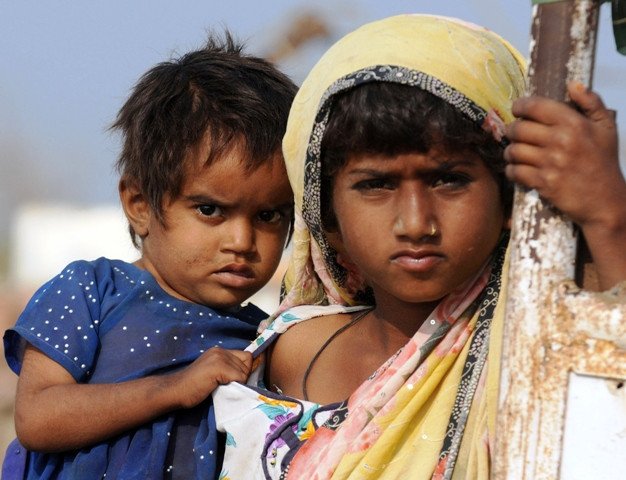
Despite legal protections, child labour in domestic work continues to remain a serious concern in Pakistan, particularly in Punjab. According to Beyond Time News, thousands of children are still engaged in household work behind closed doors, where enforcement of labour laws remains weak.
Weak Implementation of Labour Laws
The Domestic Workers Act 2019 was introduced to protect domestic workers, but it has not been fully implemented. As a result, many workers—especially women and children—remain vulnerable to exploitation, abuse, and low wages.
Officials acknowledge that the absence of a functional local government system and incomplete rules have further weakened enforcement.
Scale of Domestic Work in Punjab
Available figures show a large domestic workforce across Punjab:
- Lahore Division: over 4 million workers
- Rawalpindi: 1.6 million
- Faisalabad: 1.4 million
- Gujranwala: 1.2 million
- Multan: 700,000
- Sargodha: 500,000
- Sahiwal and DG Khan: around 200,000 each
A significant portion includes women and children, often from rural and low-income backgrounds.
Legal and Structural Gaps
Experts highlight contradictions in the law, including:
- Minimum working age set at 15, conflicting with other legal provisions
- Limited maternity leave compared to other labour laws
- Non-functional dispute resolution committees
- Lack of enforcement mechanisms for minimum wage rules
Civil Society Concerns
Activists say domestic workers remain largely undocumented and unprotected. Wages are mostly paid in cash, and social security coverage is almost absent.
They stress that Pakistan’s ratification of international labour conventions has not translated into real protection on the ground.
“Pay Workers Before Sweat Dries,” Says Minister on Labour Day
Calls for Reform and Protection
Labour rights groups and NGOs have called for:
- Formal recognition of domestic work
- Skill development and training programmes
- Strict enforcement of minimum wage laws
- Social security coverage for workers
- Dedicated welfare funds for domestic workers
Some also propose rehabilitation centres for child workers, including education and vocational training.
Government Response
Officials acknowledge enforcement challenges, especially due to work being carried out inside private homes. Proposals include raising the minimum working age, improving registration systems, and developing digital monitoring tools.
However, gaps in staffing, funding, and implementation continue to hinder progress.
Conclusion
According to Beyond Time News, child labour in domestic work remains a persistent issue in Pakistan due to weak enforcement, legal gaps, and lack of social protection. Despite repeated calls for reform, thousands of children and workers continue to remain vulnerable.