Pakistan’s growing reliance on imported oil has once again come into focus as rising tensions in the Gulf push global crude prices higher. According to Beyond Time News, the latest regional conflict has exposed major weaknesses in Pakistan’s economic structure and energy strategy.
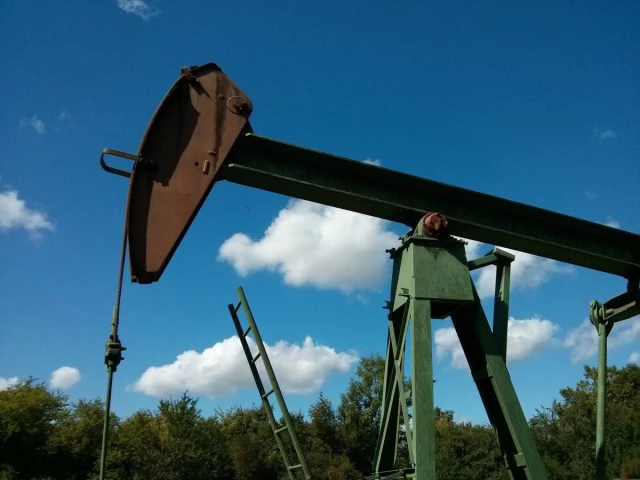
As uncertainty increases around the Strait of Hormuz, international oil prices continue to climb. For Pakistan, this creates serious economic pressure because the country depends heavily on imported petroleum products to run transport, industries, and power generation.
Rising Oil Prices Fuel Inflation in Pakistan
Higher global oil prices directly affect Pakistan’s inflation rate. When fuel becomes expensive, transport costs rise, electricity prices increase, and manufacturing becomes more costly. These higher costs eventually lead to expensive food and daily-use items.
Economic experts believe that even a small increase in crude oil prices can significantly impact inflation and reduce the purchasing power of ordinary citizens.
According to Beyond Time News, Pakistan imports nearly $18 to $20 billion worth of petroleum products every year. A rise of just $5 per barrel in global oil prices can increase the country’s import bill by almost $1 billion.
Pressure on Rupee and Economy
The rising import bill also puts pressure on Pakistan’s foreign exchange reserves and weakens the Pakistani rupee.
As the currency loses value, imports become even more expensive. This creates a cycle of inflation, rising debt, and economic instability. The government also faces additional pressure because higher fuel costs increase energy subsidies and deepen circular debt problems in the power sector.
Experts warn that continued dependence on imported fuel leaves Pakistan highly vulnerable to international crises and global market fluctuations.
Targeted Relief Better Than Blanket Subsidies
According to Beyond Time News, economists believe Pakistan should avoid broad fuel subsidies because they can increase fiscal deficits and create long-term financial problems.
Instead, experts suggest targeted relief measures for low-income families through programmes like the Benazir Income Support Programme.
Support for public transport and agriculture sectors could also help control inflation without putting excessive pressure on the national budget.
Renewable Energy Seen as Long-Term Solution
Energy experts say Pakistan must speed up its transition toward renewable energy sources such as solar and wind power.
The country has strong potential for clean energy production, but imported fuels still dominate the national energy mix. Expanding renewable energy can reduce import costs, stabilise electricity prices, and attract foreign investment.
Analysts also stress the need to improve domestic oil refining capacity to reduce dependence on imported refined petroleum products.
Read more:Suspected Oil Slick Spreads Near Iran’s Kharg Island
Electric Vehicles and Power Sector Reforms Needed
Experts believe electrifying public transport and encouraging electric vehicles could reduce Pakistan’s fuel consumption in the coming years.
They also emphasise reforms in the power sector to address transmission losses, tariff issues, and circular debt challenges.
According to Beyond Time News, improving the energy sector remains critical for achieving long-term economic stability.
Pakistan Urged to Build Strategic Oil Reserves
Analysts say Pakistan should also build a larger strategic petroleum reserve to handle future supply disruptions and price shocks.
Many major economies maintain emergency oil reserves for several weeks or months, while Pakistan currently has very limited storage capacity.
Experts warn that without serious energy reforms, every new conflict in the Gulf region will continue to threaten Pakistan’s economy, inflation rate, and financial stability.