Pakistan’s economic recovery faces fresh uncertainty as the ongoing Middle East conflict pushes global oil and LNG prices higher. According to Beyond Time News, the war has disrupted Pakistan’s growth plans and created new challenges for inflation, trade, and currency stability.
Economic experts had expected Pakistan’s economy to grow steadily over the next two years. However, rising tensions in the Gulf region and the prolonged US-Iran conflict have changed the outlook.
Rising Oil Prices Create Economic Pressure
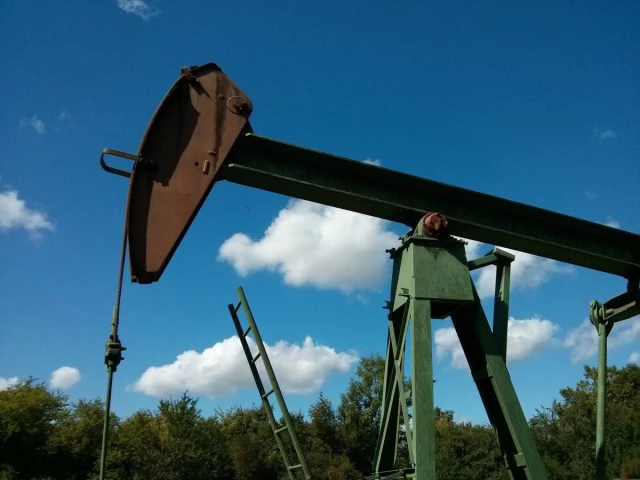
The conflict has increased fears of supply disruptions in the Strait of Hormuz, one of the world’s most important oil shipping routes. As global oil prices rise, countries like Pakistan face heavy financial pressure because of their dependence on imported energy.
Higher fuel prices increase transportation costs, electricity tariffs, and industrial expenses. This also pushes inflation higher and reduces the purchasing power of ordinary citizens.
According to Beyond Time News, experts warn that continued pressure on oil prices could slow Pakistan’s economic growth by up to 1%.
Inflation and Currency Risks Increase
The rising energy import bill is also putting pressure on Pakistan’s foreign exchange reserves and the value of the rupee.
Prime Minister Shehbaz Sharif recently stated that Pakistan’s weekly energy import bill increased sharply during the peak of the crisis.
Economic analysts believe the country could face a wider current account deficit if oil prices remain high for a longer period.
To control inflation and stabilise the currency, the State Bank of Pakistan has already taken steps by increasing interest rates.
Government Urged to Expand Austerity Measures
Experts say Pakistan now needs stricter austerity policies to reduce fuel consumption and manage economic pressure.
According to Beyond Time News, accelerating electric public transport projects, especially electric buses, could help lower fuel imports and provide affordable transport for citizens.
Analysts also stress the importance of reducing unnecessary government spending and improving energy efficiency across the country.
Expanding Tax Base Seen as Key Priority
Economists believe Pakistan must broaden its tax base to improve long-term financial stability.
They argue that relying on a limited number of taxpayers places excessive pressure on the formal sector. Experts recommend stronger action against undocumented economic activities while offering incentives to businesses that operate legally.
Many analysts also support tax relief for salaried individuals and companies that comply with tax laws.
Real Estate and Industry Reforms Suggested
According to Beyond Time News, experts want the government to discourage speculative investments in plots while encouraging investment in housing and apartments.
They believe incentives for construction and housing projects could support industries linked to cement, steel, and glass manufacturing.
Economic planners also recommend long-term support for small and medium enterprises listed on the Pakistan Stock Exchange.
Read more:Pakistan–Qatar Talks Emphasize Diplomatic Solutions for Middle East Stability
Export Growth and Foreign Investment Critical
Experts warn that defensive economic measures alone will not solve Pakistan’s problems.
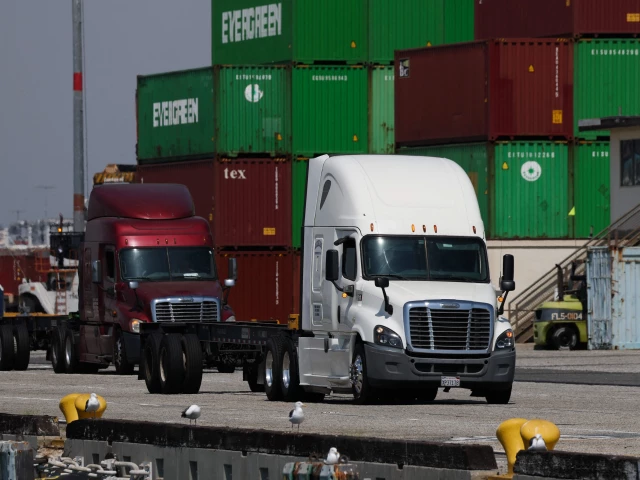
They believe the government must focus strongly on exports, industrial growth, and foreign direct investment to reduce dependence on external borrowing.
Analysts also highlight the importance of sectors such as textiles, information technology, minerals, and pharmaceuticals in driving future economic growth.
Overseas Investment and Economic Reforms Needed
According to Beyond Time News, experts recommend using the Roshan Digital Account programme more effectively to attract overseas Pakistani investment into infrastructure, energy, and technology projects.
They also stress the need to formalise the undocumented economy and improve long-term economic planning.
Despite current challenges, analysts believe Pakistan has strong economic potential if policymakers focus on structural reforms, industrial expansion, and sustainable growth strategies over the coming years.