
Indian illegally occupied Jammu and Kashmir has turned into a heavily monitored territory where journalists, activists and civilians face constant fear and digital surveillance under the BJP-led Modi government.
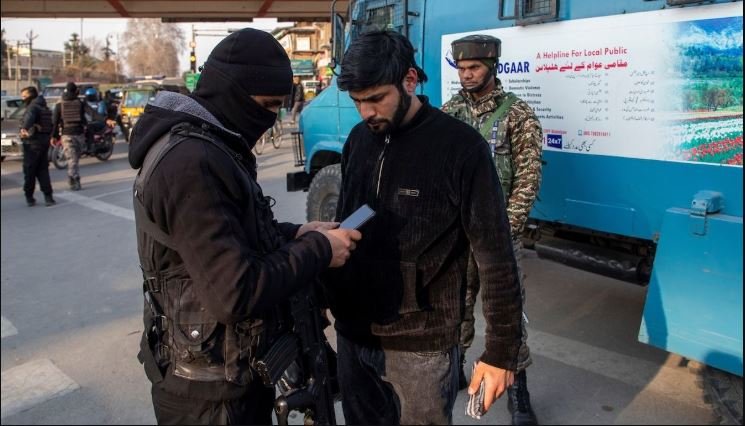
A report published by Tech Policy Press said Indian authorities are using checkpoints, biometric systems, CCTV cameras and telecom monitoring to tighten control over the occupied territory.
Researcher Petra Molnar authored the report. It stated that authorities increased surveillance after revoking Kashmir’s special status in August 2019.
The report also described Kashmir as a “high-surveillance zone” where officials continuously monitor communication, movement and private life.
Journalists Face Pressure and Monitoring
Moreover, the report highlighted growing risks for journalists in the region. Reporters now face digital monitoring, legal threats and repeated harassment from police and intelligence agencies.
The report mentioned Majid Hyderi, who allegedly received death threats from police officers. He later sought refuge inside a courtroom after filing a complaint in the High Court.
Another journalist, identified as “Shakeen Ahmed,” said privacy no longer exists in Kashmir. He claimed security officials often force people to unlock phones and reveal passwords during searches and checkpoints.
As a result, personal messages, photos and contact lists become exposed. He added that the surveillance climate has increased fear, stress and self-censorship among residents.
Read more:NIA Scrutiny of Social Media Activity Sparks Debate Over Digital Surveillance in Kashmir
Religious Spaces and Social Media Under Watch
Furthermore, the report said authorities monitor mosques, religious spaces and journalists’ communications. Officials also take action against social media posts critical of the government under laws such as the Unlawful Activities Prevention Act.
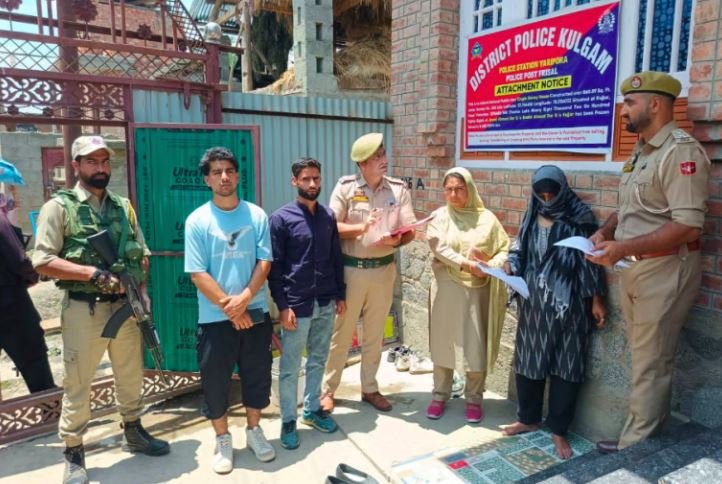
In addition, police reportedly summon journalists and pressure them to sign bonds promising not to publish reports against the state.
Report Warns of Deep Social Impact
The report concluded that the expanding surveillance system has damaged social trust, religious freedom and independent journalism in the occupied territory.
According to the report, many residents now describe Kashmir as a “beautiful prison” because of the growing restrictions and constant monitoring.
One thought on “Surveillance regime in IIOJK silence journalists, crushing freedoms”
Comments are closed.