Geneva: WHO expresses serious concern over growing Ebola crisis in Central Africa
GENEVA: The World Health Organization (WHO) has raised serious concerns over the fast-spreading Ebola outbreak in the Democratic Republic of Congo (DRC), warning that the deadly virus is now becoming a major international health threat. According to Beyond Time News, the outbreak has already spread into neighboring Uganda and reportedly caused more than 130 deaths.
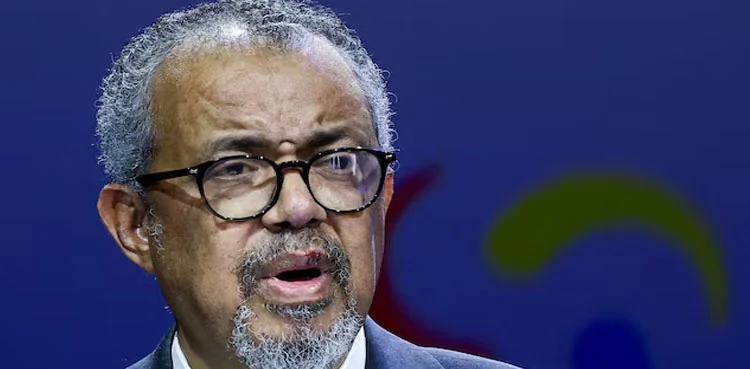
WHO Director-General Tedros Adhanom Ghebreyesus addressed the World Health Assembly in Geneva and said the organization was “deeply concerned” about the speed and scale of the outbreak. He confirmed that the WHO officially declared the situation a Public Health Emergency of International Concern (PHEIC), which is considered one of the highest alert levels under global health regulations.
Health officials believe the outbreak is mainly centered in Ituri province in northeastern DR Congo, a region that borders both Uganda and South Sudan. However, authorities fear the disease could spread further due to cross-border movement and unstable security conditions in the area.
Ebola Cases Continue to Rise in DR Congo
According to Beyond Time News, the latest figures shared by Congolese health authorities show that at least 513 suspected cases have been reported so far, while the death toll has climbed to 131.
Experts say the real numbers could be even higher because many affected areas remain difficult to access. Poor infrastructure, insecurity, and ongoing conflict are slowing down testing and emergency response efforts.
WHO officials confirmed that at least 30 cases have already been laboratory-confirmed as Ebola. Meanwhile, Uganda has also reported two confirmed infections in the capital city Kampala, including one death linked to travelers arriving from DR Congo.
In another worrying development, a United States citizen who tested positive for Ebola was transferred to Germany for treatment and monitoring.
No Approved Vaccine Available for Current Ebola Strain
Health experts are particularly concerned because the current outbreak involves the Bundibugyo strain of the Ebola virus. Unlike the more common Zaire strain, there are currently no approved vaccines or specific treatments available for this variant.
This has created additional challenges for health authorities trying to control the spread of the disease.
Despite the absence of vaccines, WHO officials stressed that several preventive measures can still help reduce infections. These include:
- Rapid testing and surveillance
- Contact tracing
- Isolation of infected individuals
- Community awareness campaigns
- Safe burial practices
- Improved hygiene measures
WHO teams are already working closely with local authorities on the ground to contain the outbreak.
Urban Areas Raise Fears of Wider Spread
One of the biggest concerns for international health agencies is that Ebola cases have now appeared in urban centers, including Kampala and the Congolese city of Goma.
Large cities increase the risk of faster transmission because of dense populations and heavy travel activity. Officials fear that without immediate containment efforts, the outbreak could expand into additional countries across the region.
According to Beyond Time News, the situation in eastern Congo has become even more complicated due to ongoing violence involving armed groups. Thousands of people have been displaced in recent months, making disease control efforts more difficult.
WHO chief Tedros also warned that infections among healthcare workers suggest possible transmission inside medical facilities, which raises further concerns about containment failures.
Conflict and Displacement Fuel the Health Crisis
The Ebola outbreak is unfolding at a time when eastern DR Congo is already facing major humanitarian challenges. Armed conflict, displacement, food shortages, and weak healthcare systems continue to put pressure on local communities.
More than 100,000 people have reportedly been displaced in the affected region this year alone. Many families are living in overcrowded shelters with limited access to clean water and healthcare facilities.
Health experts say such conditions create the perfect environment for contagious diseases like Ebola to spread rapidly.
International aid agencies are now calling for urgent global support to strengthen emergency medical operations, provide protective equipment, and improve testing capacity in remote areas.
WHO Deploys Emergency Teams and Supplies
The World Health Organization has already deployed emergency response teams, medical supplies, laboratory equipment, and financial assistance to affected areas.
According to Beyond Time News, WHO officials are also coordinating with neighboring countries to strengthen border screening and surveillance systems in order to prevent wider regional transmission.
Tedros emphasized that international cooperation remains critical in controlling the outbreak before it escalates further.
He also called on governments and humanitarian organizations to support awareness campaigns that educate communities about Ebola symptoms and prevention methods.
Read more:WHO Warns of More Hantavirus Cases After Cruise Ship Outbreak
Ebola Remains One of Africa’s Deadliest Diseases
Ebola is a highly dangerous viral disease believed to originate from bats. It spreads through direct contact with bodily fluids of infected individuals and can cause severe bleeding, organ failure, and death.
The virus has killed around 15,000 people across Africa over the past five decades.
DR Congo has experienced multiple Ebola outbreaks in recent years. The deadliest outbreak occurred between 2018 and 2020, when nearly 2,300 people lost their lives.
The most recent outbreak before this one was declared over in December last year after at least 34 deaths were reported.
Health experts warn that continued vigilance is necessary because Ebola outbreaks can quickly return, especially in areas with weak healthcare systems and ongoing instability.
Why This Ebola Outbreak Matters Globally
The current Ebola emergency highlights how quickly infectious diseases can cross borders in today’s interconnected world. International travel, displacement, and fragile healthcare infrastructure continue to increase the risk of global health crises.
Public health experts believe rapid international action will play a key role in preventing another large-scale Ebola disaster.
Governments, health agencies, and humanitarian groups are now under pressure to improve disease surveillance, strengthen emergency response systems, and invest in vaccine development for lesser-known Ebola strains.
FAQs
What is Ebola?
Ebola is a severe viral disease that spreads through contact with infected bodily fluids and can cause internal bleeding, organ failure, and death.
Which Ebola strain is causing the current outbreak?
The current outbreak involves the Bundibugyo strain of Ebola, for which there is currently no approved vaccine.
How many people have died in the DR Congo outbreak?
According to recent reports, at least 131 people are believed to have died.
Has the outbreak spread outside DR Congo?
Yes. Uganda has confirmed cases in Kampala, and one infected US citizen was transferred to Germany.
Why did WHO declare a global health emergency?
WHO declared the outbreak a Public Health Emergency of International Concern because of the rapid spread, rising deaths, and risk of international transmission.
#WHO #EbolaOutbreak #DRC #Uganda #GlobalHealth #Tedros #AfricaHealth #PublicHealth #EbolaVirus #HealthEmergency