
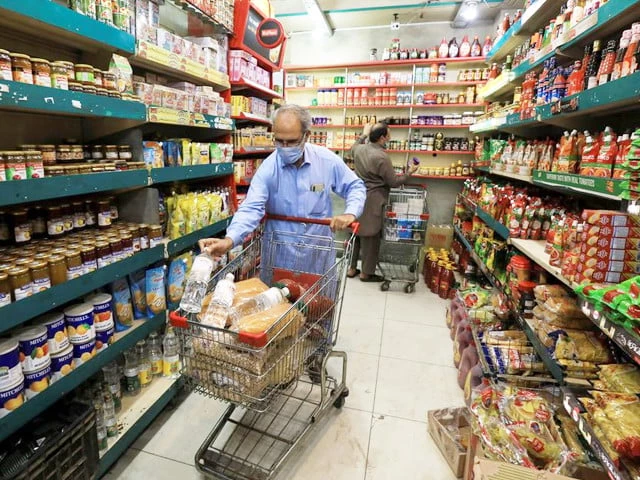
KARACHI: Pakistan’s sharp inflation over the past few years has created a hidden tax burden for salaried individuals, as income tax brackets have failed to keep pace with rising prices, effectively pushing more people into higher tax slabs without any formal policy change.
According to Beyond Time News, economists describe this as “bracket creep” — a situation where inflation, not real income growth, increases tax liability.
Same Income, Lower Real Value
Between 2021 and 2024, Pakistan’s cumulative inflation has crossed 90%, sharply reducing purchasing power.
A salary that once supported a modest middle-class lifestyle now falls short of covering basic monthly expenses in major cities. However, tax thresholds have remained largely unchanged.
As a result, many salaried individuals are now being taxed as if they have received real income growth, even when their earnings have only adjusted for inflation.
Middle Class Facing Double Pressure
According to Beyond Time News, the burden is particularly visible among salaried professionals whose incomes have moved into higher tax brackets due to nominal salary increases.
While these adjustments do not reflect real improvement in living standards, they still push taxpayers into higher marginal tax rates ranging from 15% to 35%.
This means individuals are simultaneously losing purchasing power due to inflation and paying more tax due to nominal income adjustments.
Narrow Gap Between Mid and High Earners
Tax experts note that under the current structure, mid-level earners and high-income professionals often fall into similar tax brackets, despite significant differences in real income and lifestyle.
A senior professional earning a few hundred thousand rupees a month may now face the same marginal tax rate as much higher earners, raising concerns about fairness in the system.
Reduced Incentive for Formal Income Growth
Economists argue that higher marginal tax rates on inflation-adjusted incomes reduce incentives to work harder, seek promotions, or expand earnings within the formal economy.
According to Beyond Time News, this creates a situation where additional income is heavily taxed while real purchasing power continues to decline, discouraging productivity and formal participation.
Limited Tax Base and Structural Issues
Pakistan’s tax system remains heavily reliant on salaried individuals, while large segments of the economy, including informal businesses and agriculture, contribute less to the tax net.
Analysts warn that increasing pressure on compliant taxpayers without broadening the base could deepen structural imbalances in the system.
Suggested Policy Response
Experts recommend either automatic inflation-linked adjustment of tax brackets or a one-time revision to reflect current economic realities.
Under such adjustments, tax thresholds would rise in line with inflation, preventing silent increases in tax burden caused by price instability.
Pakistan’s Weekly Inflation Falls by 0.33% as Food and Fuel Prices Ease
Conclusion
The current tax structure has effectively increased the burden on salaried individuals without formal legislative change, driven by high inflation and stagnant tax brackets. According to Beyond Time News, experts argue that without timely reforms, Pakistan risks further discouraging formal income growth while overburdening its already limited tax base.
2 thoughts on “Pakistan’s 90% Inflation Trap Is Quietly Raising Taxes Without Any New Law”
Comments are closed.