
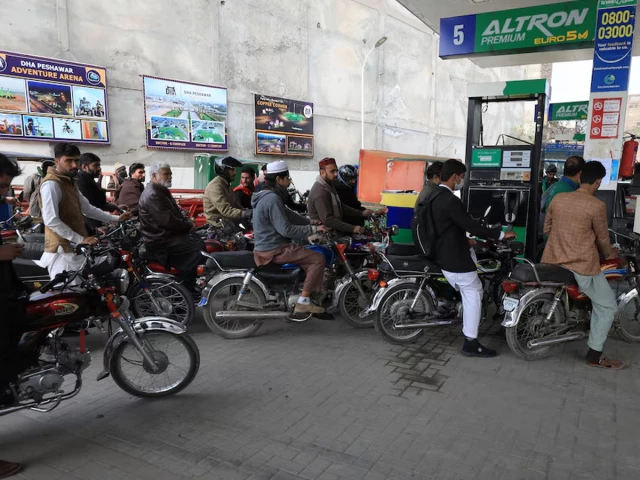
QUETTA: A severe petrol shortage has disrupted daily life in Quetta, forcing residents to wait in long queues outside the few fuel stations that remain operational. The shortage has created transportation challenges and sparked public frustration across the provincial capital.
According to Beyond Time News, the ongoing fuel crisis has led to the temporary closure of many petrol pumps, while those still operating struggle to meet growing demand.
Fuel Crisis Causes Major Disruptions
The shortage has left motorists scrambling for fuel across the city. Long lines of cars, motorcycles, public transport vehicles, and trucks have become a common sight at the limited number of stations with available supplies.
Many residents reported spending several hours waiting to refuel. The situation has affected commuters, transport operators, and businesses that depend on regular fuel supplies.
Citizens expressed frustration over the lack of availability, saying they are willing to pay official market rates but cannot access fuel when needed.
Administration Responds to Growing Concerns
Quetta Deputy Commissioner Mehar Ullah Badini acknowledged the seriousness of the situation and said local authorities had taken immediate notice of the shortage.
According to the deputy commissioner, officials contacted petrol pump owners and distributors to assess supply issues and restore normal operations.
He stated that fuel deliveries to stations across the city have already increased and expressed confidence that the situation will improve in the coming days.
Illegal Fuel Trade Cited as a Key Factor
Officials believe the widespread sale of illegally imported Iranian petrol has contributed to disruptions in the formal fuel supply chain.
The deputy commissioner said unauthorized fuel distribution in various parts of Quetta has created challenges for licensed dealers and affected the availability of legally supplied petroleum products.
Authorities continue to monitor the situation while working with fuel suppliers to stabilize the market.
Iranian Petrol Prices Rise in Balochistan
The current shortage follows a sharp increase in the price of Iranian petrol in several parts of Balochistan during May.
Local traders reported that fuel imported through informal channels saw significant price increases, particularly in border and coastal regions near Iran.
According to market sources, Iranian petrol that previously sold for between Rs170 and Rs180 per litre now costs between Rs200 and Rs210 per litre in parts of Gwadar and surrounding areas.
Read more:Govt Announces Rs22 Cut in Petrol and Diesel Prices as Eid Relief for Citizens
Border Restrictions Impact Fuel Supply
Fuel traders linked the price hike to reduced commercial activity in the Kuntani Hor border area, which has traditionally served as a major route for goods entering from Iran.
They said disruptions in cross-border movement have reduced fuel availability and contributed to higher prices across several districts of Balochistan.
The increase has added pressure on consumers already dealing with rising living costs and inflation.
Economic Impact on Residents
The petrol shortage comes at a difficult time for households and businesses facing broader economic challenges.
Higher transportation costs often affect the prices of goods and services, creating additional burdens for consumers. Transport operators, delivery services, and small businesses remain among the sectors most affected by fuel supply disruptions.
Economic analysts note that stable fuel availability remains essential for maintaining commercial activity and preventing further inflationary pressure.
Authorities Hope for Quick Resolution
Officials have assured residents that efforts are underway to restore normal fuel supplies throughout Quetta. Increased deliveries and coordination with fuel station operators are expected to ease the shortage in the coming days.
For now, however, many residents continue to face long waits as demand exceeds available supplies.
FAQs
Why is Quetta facing a petrol shortage?
Authorities say supply disruptions and the widespread availability of illegal Iranian fuel have contributed to the shortage.
What has been the impact of the crisis?
The shortage has caused long queues at fuel stations, transportation delays, and frustration among residents.
What did the Quetta administration say?
Deputy Commissioner Mehar Ullah Badini said authorities have increased fuel supplies and expect the situation to normalize soon.
Have Iranian petrol prices increased?
Yes. In several areas of Balochistan, Iranian petrol prices have risen from around Rs170–180 per litre to Rs200–210 per litre.
When is the fuel shortage expected to end?
Local authorities believe the situation will improve soon as additional fuel supplies reach petrol stations across the city.
#Quetta #PetrolShortage #Balochistan #FuelCrisis #PakistanNews #PetrolPrices #EnergyNews #Gwadar #Inflation #BreakingNews
2 thoughts on “Petrol Shortage Triggers Long Queues Across Quetta as Fuel Crisis Deepens”
Comments are closed.