
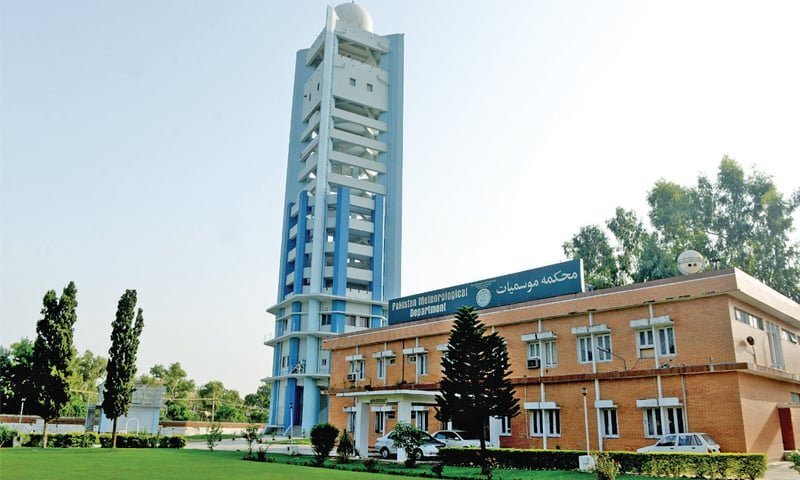
LAHORE: Pakistan is likely to experience below-normal rainfall and higher-than-usual temperatures over the next three months, raising concerns about heatwaves, water shortages, and agricultural challenges.
According to Beyond Time News, the Pakistan Meteorological Department (PMD) has warned that changing climate conditions could significantly affect weather patterns from June through August 2026.
El Niño Returns, Raising Climate Concerns
The PMD reported that the El Niño phenomenon has re-emerged in the Pacific Ocean and is expected to remain active in the coming months. Meanwhile, the Indian Ocean Dipole remains neutral.
Meteorologists say these conditions may disrupt normal weather patterns and lead to uneven rainfall distribution across different regions of Pakistan.
Aleemul Hassan, Director of Meteorology Lahore, said the country could face stronger heatwaves, reduced water availability, and increased pressure on the agriculture sector during the forecast period.
May Recorded Less Rainfall and Higher Temperatures
Pakistan received an average of 22.4 millimeters of rainfall in May 2026. This was around 10 percent below the historical average.
The country’s average temperature reached 29.2 degrees Celsius during the month, which was 0.8 degrees above normal levels.
Rainfall varied significantly across provinces:
- Punjab received 29.7 millimeters of rain, 19 percent above normal.
- Sindh recorded only 0.3 millimeters, a deficit of 91 percent.
- Balochistan remained 71 percent below normal.
- Gilgit-Baltistan received 33 percent more rainfall than average.
These figures highlight the uneven weather conditions seen across the country.
June Likely to Remain Hot and Dry
The PMD expects rainfall during June to remain near normal or slightly below normal in most regions.
Meteorologists predict the largest rainfall shortages in northeastern Punjab, Kashmir, and nearby areas of Khyber Pakhtunkhwa.
However, Gilgit-Baltistan and upper Khyber Pakhtunkhwa may receive slightly above-normal rainfall during the month.
At the same time, temperatures are expected to stay above average nationwide.
The warming trend could become more intense in Gilgit-Baltistan, Kashmir, and northern Khyber Pakhtunkhwa. Southern Punjab, Sindh, and Balochistan may experience stronger heatwave conditions.
Weather Pattern Expected to Shift Through August
Although Pakistan recorded 148 millimeters of rainfall between March and May—26 percent above normal—the PMD expects a different pattern during the summer months.
From June to August, below-normal rainfall is likely across:
- Most parts of Punjab
- Sindh
- Lower Khyber Pakhtunkhwa
- Balochistan
In contrast, northern regions including Gilgit-Baltistan, Kashmir, and upper Khyber Pakhtunkhwa could receive normal to above-normal rainfall.
Northeastern Punjab is expected to face the most significant rainfall deficit.
Agriculture Sector Faces Growing Challenges
The PMD warned that reduced rainfall may negatively affect Kharif crop cultivation and early crop growth.
Farmers may need additional irrigation to protect crops during prolonged dry spells.
Agricultural experts also fear that persistent heat could increase water demand and place extra pressure on existing reservoirs and irrigation systems.
Read more:PMD warns of heavy rains, hailstorms across Pakistan
Risk of Floods, Landslides, and Disease Outbreaks
Despite lower rainfall forecasts in many areas, northern regions could face different challenges.
Heavy rain combined with rapid snowmelt may increase the risk of:
- Glacial Lake Outburst Floods (GLOFs)
- Flash floods
- Landslides
The weather outlook also warns of rising health risks.
Extended heat, humidity, and intermittent rainfall could create favorable conditions for mosquito-borne diseases such as dengue fever.
In addition, sharp temperature changes may trigger dust storms, strong winds, and hailstorms that could damage crops, orchards, homes, and public infrastructure.
PMD Issues Safety Advisory
The Meteorological Department has advised farmers to closely monitor official weather forecasts before making irrigation and harvesting decisions.
Authorities have also urged citizens to take precautions during periods of extreme heat and severe weather.
Travelers heading to mountainous regions should remain alert and follow local advisories, especially in areas vulnerable to floods and landslides.
Looking Ahead
Pakistan’s summer season is shaping up to be hotter and drier than usual across much of the country. While northern regions may benefit from increased rainfall, many areas face the risk of water shortages, agricultural stress, and intense heatwaves.
Experts recommend early planning and careful resource management to reduce the impact of changing weather conditions during the months ahead.
FAQs
What is the PMD’s weather forecast for June to August 2026?
The PMD forecasts below-normal rainfall and above-normal temperatures across most parts of Pakistan.
Which areas may receive less rainfall?
Most parts of Punjab, Sindh, lower Khyber Pakhtunkhwa, and Balochistan are expected to experience rainfall deficits.
What impact could the forecast have on agriculture?
Reduced rainfall may affect Kharif crop sowing and increase irrigation requirements for farmers.
Which regions could receive more rainfall?
Gilgit-Baltistan, Kashmir, and upper Khyber Pakhtunkhwa may receive normal to above-normal rainfall.
What weather-related risks has the PMD highlighted?
The department has warned about heatwaves, water shortages, flash floods, landslides, GLOFs, dengue outbreaks, dust storms, and hailstorms.
#PakistanWeather #PMD #HeatwaveAlert #RainfallForecast #ClimateChange #ElNino #AgricultureNews #PakistanClimate #WeatherUpdate #Monsoon2026


2 thoughts on “PMD Forecasts Hotter Weather and Lower Rainfall Across Pakistan Until August”
Comments are closed.