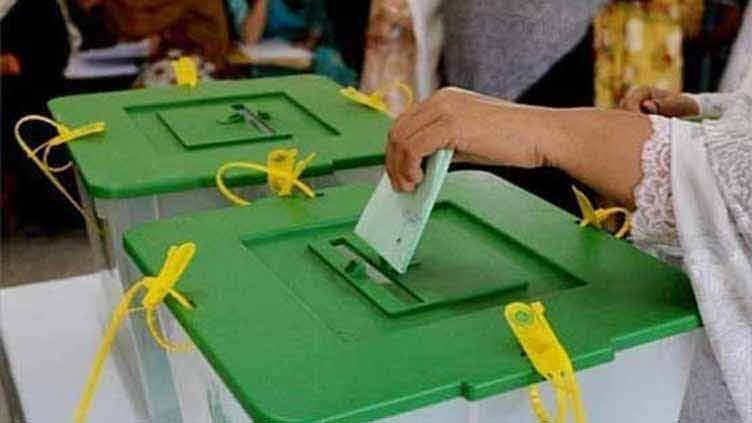
Islamabad: As Gilgit-Baltistan heads toward its upcoming legislative elections, political observers believe voters are likely to focus on development, governance, and economic progress rather than confrontational political narratives. Analysts say the region’s electoral history reflects a preference for stability, public welfare, and effective coordination with the federal government.
According to Beyond Time News, political discussions ahead of the June 7 elections have centered on infrastructure development, employment opportunities, tourism growth, and improved public services, issues that many residents consider vital to the region’s future.
Development Remains a Key Electoral Priority
Political analysts note that Gilgit-Baltistan’s voters have traditionally supported parties they believe can deliver tangible development projects and maintain strong working relationships with federal authorities.
The region continues to require significant investment in:
- Road and transport infrastructure
- Hydropower and energy projects
- Tourism development
- Healthcare services
- Educational facilities
- Employment generation
Observers say these priorities often outweigh political slogans and confrontational campaigns during election periods.
Debate Over Campaign Strategies
During the ongoing election campaign, criticism has emerged regarding the political approach adopted by some parties, particularly the Pakistan Tehreek-e-Insaf (PTI). Critics argue that attempts to replicate national-level protest politics may not align with Gilgit-Baltistan’s political culture.
Analysts suggest that local voters generally favor constructive political engagement and policy-driven campaigns over demonstrations, institutional disputes, and prolonged political confrontations.
Reports indicate that campaign-related disagreements have also surfaced regarding permissions and regulatory requirements for political activities in the region.
Political Maturity Shapes Electoral Choices
Observers describe Gilgit-Baltistan’s electorate as politically aware and increasingly focused on practical outcomes.
According to analysts, voters often evaluate parties based on:
- Development performance
- Delivery of public services
- Economic opportunities
- Regional representation
- Peace and social harmony
Political experts believe that voters are likely to assess candidates on their ability to address local concerns rather than on national political rhetoric alone.
Coalition Government Remains a Possibility
With several major political parties competing for support, analysts believe the election could produce a fragmented mandate, increasing the possibility of a coalition government after the polls.
Political circles suggest that cooperation among parties may become necessary to ensure stable governance and continued development efforts in the region.
Such an outcome would require political stakeholders to adopt pragmatic and consensus-based approaches following the election results.
Read more:Gilgit-Baltistan Election Campaign Row Deepens as Government and PTI Clash Over Alleged Restrictions
Focus on Stability and Economic Growth
Many analysts argue that Gilgit-Baltistan’s unique geographic and economic challenges make political stability particularly important. The region’s strategic location, growing tourism sector, and infrastructure needs require long-term planning and consistent policy implementation.
As election day approaches, public discussions continue to focus on development projects, employment opportunities, investment, and improved living standards.
Conclusion
Gilgit-Baltistan’s upcoming elections are expected to revolve around issues that directly impact residents’ daily lives. Political analysts believe voters will likely prioritize development, governance, and economic progress when casting their ballots. With infrastructure, tourism, healthcare, and employment remaining key concerns, parties that present practical solutions may find greater support among the region’s politically engaged electorate.
FAQs
When are the Gilgit-Baltistan elections scheduled?
The elections for the Gilgit-Baltistan Assembly are scheduled to be held on June 7, 2026.
What issues are most important to voters in Gilgit-Baltistan?
Development projects, employment opportunities, healthcare, education, tourism, and infrastructure remain among the top priorities.
Why do analysts emphasize development in the election?
Gilgit-Baltistan faces unique economic and infrastructure challenges, making development a central concern for many voters.
Could a coalition government emerge after the elections?
Political observers believe a coalition government remains a realistic possibility depending on the election results.
How do voters typically evaluate political parties in the region?
Many voters assess parties based on governance performance, development initiatives, public service delivery, and their ability to address regional needs.
#GilgitBaltistan #GBElections2026 #PakistanPolitics #DevelopmentAgenda #GilgitBaltistanElection #PublicWelfare #PoliticalAnalysis #PakistanNews