
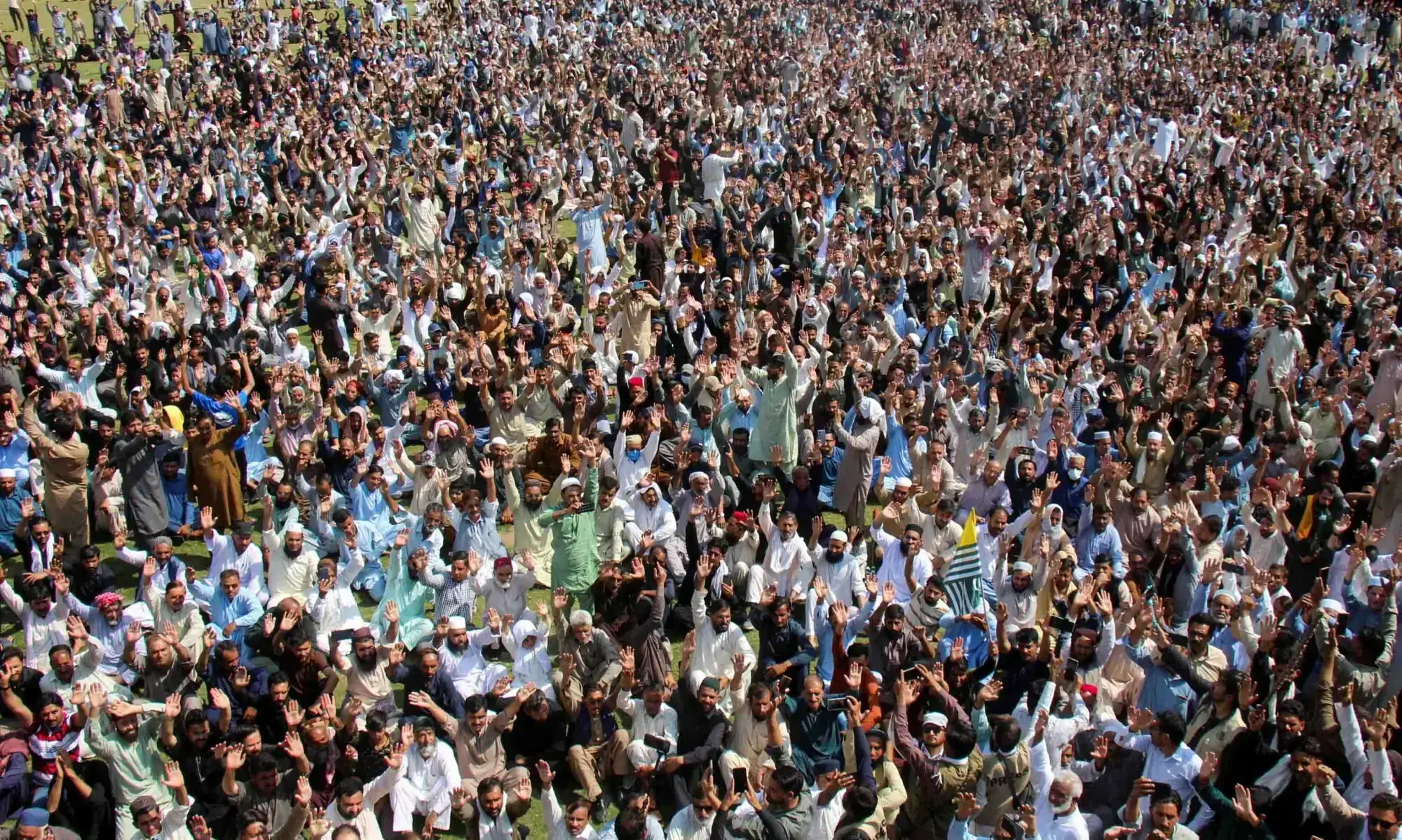
MUZAFFARABAD – The Azad Jammu and Kashmir (AJK) government has officially declared the Joint Awami Action Committee (JAAC) a proscribed organisation under the region’s Anti-Terrorism Act, marking a major political development ahead of the upcoming general elections.
According to Beyond Time News, the notification issued by the AJK Home Department places JAAC under the First Schedule of the Anti-Terrorism Act, 2014. The decision, approved by the AJK President, states that the organisation has been banned over concerns related to public order, political stability, and security.
The move comes at a politically sensitive time, with election preparations underway and tensions already rising over electoral demands and protest calls in the region.
Government Cites Security and Public Order Concerns
In its official notification, the AJK government stated that JAAC had been involved in activities considered harmful to peace and stability. Authorities alleged that the group engaged in actions aimed at creating unrest, spreading fear, and encouraging disorder within society.
Officials further claimed that the organisation’s conduct had become “prejudicial to peace and security,” prompting its inclusion in the list of proscribed organisations under the Anti-Terrorism Act.
The legal framework allows authorities to restrict or ban organisations considered a threat to law and order, particularly in situations where public demonstrations or political agitation are expected to escalate.
Political Tensions Rise Ahead of July Elections
The ban comes shortly before the election nomination process scheduled to begin on June 9 for the AJK Legislative Assembly elections set for July 27.
JAAC has recently announced plans for a wheel-jam strike on the same date nominations open, raising concerns among officials about possible disruptions during the electoral process.
The group has been actively campaigning against the 12 reserved assembly seats allocated to refugees from Indian-occupied Jammu and Kashmir who settled in Pakistan after 1947. JAAC argues that these seats influence government formation in Muzaffarabad and reduce local political autonomy.
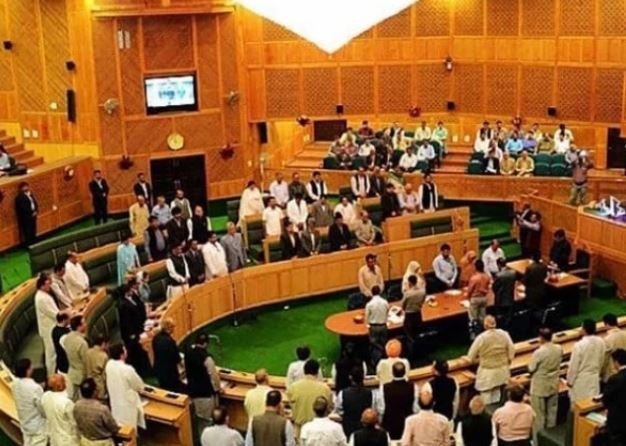
On the other hand, the AJK Legislative Assembly has strongly defended the continuation of these seats, insisting that the electoral structure should remain unchanged and that the election schedule must proceed without interruption.
Security Deployment Intensifies Across AJK
In response to the evolving situation, authorities have stepped up security measures across key districts of Azad Jammu and Kashmir. Additional paramilitary forces have been deployed to assist local police in maintaining law and order.
AJK Inspector General of Police Captain (retired) Liaqat Ali Malik has reportedly requested thousands of additional personnel from the federal government to manage security between June 7 and June 21, a period expected to be particularly sensitive due to political activity and planned protests.
Security convoys have already been seen entering Muzaffarabad, reflecting heightened preparedness. Officials say the aim is to ensure public safety and prevent any disruption to daily life or election-related activities.
Concerns Over Public Disruption and Connectivity
Amid rising uncertainty, there is growing speculation about possible restrictions on mobile and internet services, similar to measures taken during previous protest movements in the region.
Earlier shutdowns during similar strike calls reportedly disrupted education, business activity, and communication services, particularly affecting online workers and students.
At the same time, the University of Azad Jammu and Kashmir has postponed its spring 2026 examinations scheduled for June 8, citing the uncertain security environment.
Authorities have not officially confirmed any communication restrictions, but monitoring of the situation continues as election preparations progress.
Read more:AJK Government Moves Supreme Court on Refugee Seats Issue in Legislative Assembly
Election Environment Under Scrutiny
With political tensions escalating, observers say the situation highlights broader challenges facing electoral processes in the region, particularly in balancing freedom of political expression with security concerns.
The coming weeks are expected to be crucial as nomination papers are filed and political activity intensifies across constituencies. Both government authorities and political groups are closely watching developments to avoid escalation.
Conclusion
The banning of JAAC under the Anti-Terrorism Act represents a significant escalation in AJK’s political landscape ahead of the upcoming elections. While authorities cite security and public order concerns, the decision is likely to deepen political debate and shape the environment in which the July elections will take place. As security measures tighten and political tensions rise, the region enters a sensitive phase requiring careful management to ensure stability and a smooth electoral process.
FAQs
1. Why was JAAC banned in Azad Jammu and Kashmir?
The government stated that JAAC was involved in activities considered harmful to peace, security, and public order.
2. Under which law was the ban imposed?
The organisation was declared proscribed under the Azad Jammu and Kashmir Anti-Terrorism Act, 2014.
3. What political issue is JAAC raising?
JAAC is opposing the 12 reserved seats for refugees from Indian-occupied Jammu and Kashmir in the AJK Assembly.
4. How has the government responded to protest calls?
Authorities have increased security deployment and requested additional forces to maintain law and order during the election period.
5. Are elections still scheduled in AJK?
Yes, elections are scheduled for July 27, and the nomination process is expected to begin on June 9.
SEO Hashtags
#AJKNews #Muzaffarabad #JAAC #KashmirPolitics #AJKElections2026 #BreakingNews #PakistanNews #ElectionUpdate

One thought on “AJK Government Bans JAAC Under Anti-Terror Law Ahead of Election Season, Security Tightened Across Region”
Comments are closed.