Cement Rate Today in Pakistan: June 13, 2026 Market Overview
Islamabad: Cement prices across Pakistan remained largely stable on June 13, 2026, as strong domestic production continued to support supply despite ongoing global energy market uncertainties. Industry observers say local manufacturers have managed to maintain steady output, helping keep retail rates within a predictable range for builders, contractors, and homeowners.
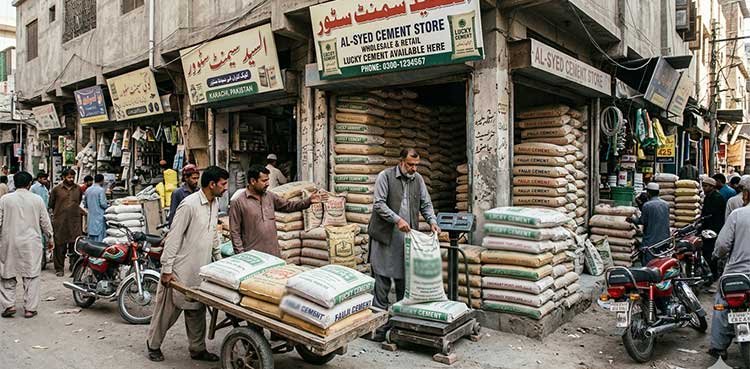
According to Beyond Time News, a standard 50-kilogram bag of Ordinary Portland Cement (OPC) is currently selling between Rs. 1,505 and Rs. 1,610 in retail markets nationwide. Most consumers are paying between Rs. 1,540 and Rs. 1,580 per bag, depending on the brand, location, and dealer margins.
The latest pricing trend provides some stability for Pakistan’s construction sector, which continues to face challenges linked to rising transportation and energy costs.
Current Cement Prices Across Pakistan
Market data shows that cement prices vary by region due to transportation expenses, factory proximity, and local demand conditions.
Karachi and Southern Sindh Markets
In Karachi and other southern districts of Sindh, cement prices range between Rs. 1,520 and Rs. 1,570 per 50kg bag.
Industry experts attribute the relatively lower prices to the presence of manufacturing facilities closer to major urban centers and ports. Reduced freight costs allow dealers to offer more competitive rates compared to northern markets.
The region also benefits from efficient distribution networks, helping maintain steady availability for residential and commercial construction projects.
Lahore, Islamabad, and Northern Regions
In Lahore, Islamabad, and parts of Punjab and Khyber Pakhtunkhwa, retail cement prices currently range between Rs. 1,550 and Rs. 1,610 per bag.
Higher transportation costs and strong demand from ongoing housing and infrastructure projects continue to influence prices in these areas.
Builders in major cities remain active despite elevated material costs, supporting consistent demand across the northern construction market.
Nationwide Average
Across Pakistan, the average retail price remains between Rs. 1,505 and Rs. 1,610 per 50kg bag.
Premium cement brands typically command higher prices due to their market reputation, quality standards, and customer preferences. Dealer margins and local supply conditions can also create minor daily price fluctuations.
Industry analysts note that overall market stability has helped prevent significant price spikes despite external economic pressures.
Fuel Costs Continue to Influence Cement Distribution
Transportation remains one of the most important factors affecting cement prices in Pakistan.
The sector continues to face higher logistics expenses due to fluctuations in global energy markets. Shipping and fuel costs have remained under pressure following disruptions in international trade routes and energy supplies during recent geopolitical tensions in the Middle East.
Since cement transportation relies heavily on diesel-powered trucking networks, fuel prices directly impact distribution costs across the country.
According to Beyond Time News, even modest increases in transportation expenses can affect wholesale and retail pricing, particularly in regions located far from production facilities.
Recent Fuel Price Reduction Offers Limited Relief
A positive development emerged on June 13 when the government announced a reduction in domestic fuel prices.
The revised rates include:
- Petrol: Rs. 373.78 per litre, down by Rs. 4.00
- High-Speed Diesel (HSD): Rs. 378.78 per litre, down by Rs. 2.00
While the adjustment offers some relief to transport operators and businesses, industry stakeholders note that fuel prices remain significantly higher than levels recorded before the recent global energy disruptions.
As a result, transportation costs continue to keep cement prices relatively firm despite improved fuel affordability.
Strong Domestic Production Supports Market Stability
One of the key reasons behind the stable pricing environment is Pakistan’s strong domestic cement manufacturing capacity.
Local producers have maintained consistent output levels, helping meet demand from the residential, commercial, and infrastructure sectors.
The country’s cement industry remains one of the most important segments of the manufacturing sector, supplying materials for housing developments, road construction, public infrastructure projects, and industrial facilities.
Industry experts believe that adequate domestic supply has helped shield consumers from sharper price increases that might otherwise occur during periods of global market volatility.
Construction Sector Maintains Positive Outlook
Despite ongoing economic challenges, Pakistan’s construction industry continues to show resilience.
Developers, contractors, and homeowners remain active in major urban centers, supported by stable material availability and predictable pricing trends.
Many builders view the current market environment as an opportunity to plan projects with greater confidence, particularly as cement prices have remained within a manageable range over recent weeks.
The combination of strong local production and modest fuel price relief may help sustain market stability through the remainder of June.
What Builders Should Expect
Construction professionals are advised to monitor local market conditions closely, as minor price fluctuations may occur depending on dealer inventories, order sizes, and transportation costs.
However, current indicators suggest that cement prices are likely to remain relatively stable in the short term unless significant changes occur in fuel markets or supply chains.
Industry participants expect demand to remain healthy as seasonal construction activity continues across various regions of the country.
FAQs
What is the cement price in Pakistan today?
As of June 13, 2026, cement prices range from Rs. 1,505 to Rs. 1,610 per 50kg bag.
Why do cement prices vary between cities?
Prices differ due to transportation costs, factory proximity, local demand, and dealer margins.
Which region has the lowest cement prices?
Karachi and southern Sindh generally offer lower prices because of their proximity to manufacturing facilities and lower freight expenses.
How do fuel prices affect cement rates?
Higher diesel prices increase transportation costs, which can raise wholesale and retail cement prices.
Is the cement market expected to remain stable?
Current supply conditions and domestic production levels suggest short-term stability, although fuel and logistics costs remain important factors.
SEO Hashtags
#CementPricePakistan #CementRateToday #PakistanConstruction #BuildingMaterials #ConstructionIndustry #KarachiCementRate #IslamabadConstruction #LahoreBuilders #PakistanEconomy #InfrastructureDevelopment #RealEstatePakistan #MarketUpdate