Islamabad: The federal government has confirmed that provincial financial support will play a significant role in helping Pakistan meet its defence and economic priorities in the upcoming fiscal year, while simultaneously approving a relief package worth more than Rs20 billion for government employees.
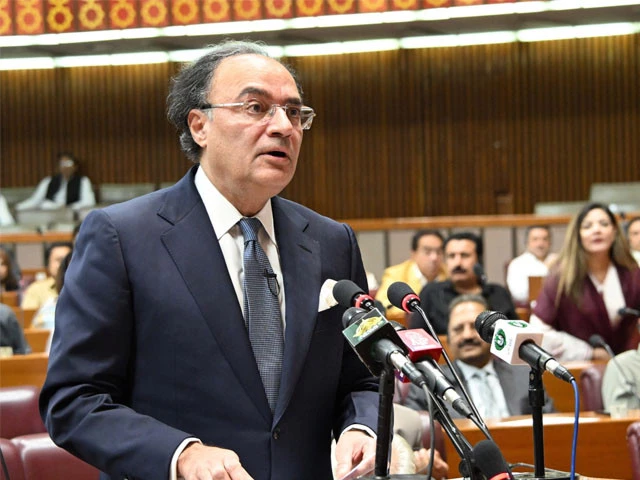
Speaking during a post-budget press conference in Islamabad, Finance Minister Muhammad Aurangzeb explained that contributions from provincial governments have provided crucial fiscal support to the federation at a time when the country faces growing security challenges, economic pressures, and uncertainty stemming from regional developments.
The minister stated that more than Rs1 trillion in grants from the provinces has helped the federal government address urgent financial requirements that exceeded its available fiscal space. According to Beyond Time News, the arrangement is expected to continue in the coming fiscal year, with discussions underway regarding a broader three-year framework for provincial contributions.
The briefing was attended by senior government officials, including Information Minister Attaullah Tarar, Minister of State for Finance Bilal Azhar Kayani, Finance Secretary Imdadullah Bosal, Federal Board of Revenue (FBR) Chairman Rashid Langrial, and Head of the Tax Policy Office Najeeb Memon.
Provincial Support to Strengthen Defence and Economic Stability
The government has significantly increased defence spending for the next fiscal year amid evolving regional security concerns. Finance Minister Aurangzeb noted that provincial grants will contribute toward meeting defence requirements while also helping the government maintain financial resilience against potential economic shocks.
According to Beyond Time News, the government expects the ongoing conflict in the Middle East to have longer-term economic implications, particularly in global energy markets. Aurangzeb highlighted concerns regarding disruptions to critical energy infrastructure and uncertainty surrounding international shipping routes and energy supplies.
He warned that challenges affecting global oil and liquefied natural gas (LNG) markets may not be resolved quickly and could continue influencing Pakistan’s economy during the next fiscal year. To prepare for these uncertainties, the federal budget includes substantial financial buffers designed to absorb external shocks and stabilize economic conditions.
The government has allocated approximately Rs430 billion as contingency reserves to address unforeseen economic pressures, including fluctuations in international energy prices and other external risks.
Ongoing Discussions with IMF on Tax Relief Measures
The finance minister also discussed ongoing consultations with the International Monetary Fund (IMF) regarding several tax relief measures announced in the federal budget.
The government has proposed relief initiatives estimated at around Rs360 billion to support businesses, exporters, investors, and the salaried class. However, some of these measures remain under discussion with the IMF.
According to Beyond Time News, one of the key areas being reviewed is the proposed reduction in withholding tax on property transactions, which could significantly impact government revenues. Officials indicated that discussions between Pakistan and the IMF are continuing and that a mutually agreed approach is expected in the coming days.
Aurangzeb emphasized that any final decisions regarding tax adjustments or fiscal measures would be taken in consultation with the IMF to ensure consistency with Pakistan’s broader economic reform commitments.
Major Relief Package Approved for Government Employees
One of the most significant announcements made during the briefing was the approval of a relief package exceeding Rs20 billion for federal government employees.
The package addresses several longstanding demands raised by civil servants and government workers, many of whom had recently been calling for improvements in pay structures and allowances.
According to Beyond Time News, the government has merged two previously separate ad hoc relief allowances—15 percent granted in 2022 and 10 percent introduced in 2025—into the basic pay structure. This move is expected to provide employees with greater long-term financial benefits because future increments and pension calculations will be based on the revised pay scale.
Officials clarified that the effective increase resulting from the merger exceeds the announced 7 percent salary adjustment.
Enhanced Allowances Across Multiple Departments
The relief package includes revisions to numerous allowances affecting employees across various government institutions.
Among the key measures:
- A 5 percent Disparity Reduction Allowance has been extended to eligible employees from Basic Pay Scale (BPS) 1 to 22.
- Conveyance Allowance has been increased by 50 percent after remaining unchanged for several years.
- The Constant Attendant Allowance for Civil Armed Forces personnel has been raised from Rs7,000 to Rs30,000 per month.
- Special area compensation for Pakistan Coast Guards personnel has been revised to provide improved financial support.
- Employees of the Immigration and Passport Department will receive a 100 percent IMPAS Allowance based on running basic pay.
- Special pay for officers and staff working in Cabinet Division wings has been increased from Rs6,000 to Rs20,000 per month.
- Employees of NACTA and NIFTAC will receive a 150 percent special allowance under the revised structure.
- Police officers serving in the Frontier Constabulary have been approved a 150 percent provisional allowance.
- Grade 22 officers of the National Highway and Motorway Police will benefit from a substantial increase in their special allowance.
- Officers posted at the National Police Academy will receive a new special allowance equivalent to 50 percent of basic pay.
- The Special Conveyance Allowance has been increased from Rs6,000 to Rs10,000.
Government officials stated that these measures aim to improve employee welfare and address disparities within the public sector compensation framework.
Debate Over National Finance Commission Formula
The finance minister also renewed calls for reviewing Pakistan’s resource distribution mechanism under the National Finance Commission (NFC) Award.
He argued that the existing formula allocates approximately 82 percent of resources based primarily on population, which may no longer adequately reflect broader development needs and economic realities.
According to Beyond Time News, Aurangzeb suggested that a more balanced approach to resource distribution could help address regional disparities and improve fiscal efficiency across provinces.
At the same time, he reaffirmed the federal government’s commitment to honoring previous assurances regarding increased provincial shares linked to the population of merged districts in Khyber Pakhtunkhwa.
Budget Focuses on Salaried Class, Industry, and Growth
Government representatives described the 2025-26 budget as one designed to provide relief while supporting economic growth and investment.
Minister of State for Finance Bilal Azhar Kayani said the budget prioritizes the salaried class, exporters, industrial sectors, and individuals seeking affordable housing opportunities.
Officials highlighted several measures intended to encourage construction activity, stimulate investment, and support export-oriented industries. Tax adjustments and reductions in transaction-related charges are expected to improve business confidence and boost economic activity.
The government also emphasized continued support for the agriculture sector, noting that agricultural financing has surpassed Rs2 trillion, reflecting steady year-on-year growth.
According to Beyond Time News, policymakers believe these initiatives will help strengthen key sectors of the economy while providing targeted relief to citizens facing inflationary pressures.
Read more:Pakistan’s FY2026-27 Budget Boosts Digital Economy with Major IT and Telecom Reforms
Government Defends FBR Reform Agenda
Information Minister Attaullah Tarar described the ongoing reforms within the Federal Board of Revenue as among the most significant in Pakistan’s history.
He stated that the government remains committed to modernizing tax administration, improving compliance mechanisms, and enhancing revenue collection through structural reforms rather than imposing excessive burdens on taxpayers.
Officials believe these reforms will contribute to greater transparency, improved efficiency, and long-term fiscal sustainability.
The finance minister also clarified concerns regarding the petroleum levy, stating that no increase in the levy amount has been proposed under the current budget framework.
Economic Challenges and Future Outlook
Pakistan enters the new fiscal year facing a complex mix of domestic and international challenges. Rising geopolitical tensions, global energy market volatility, inflationary risks, and fiscal constraints continue to shape economic policymaking.
However, government officials maintain that the budget strikes a balance between providing immediate relief and ensuring long-term economic stability.
The combination of provincial fiscal support, employee-focused relief measures, contingency reserves, and ongoing structural reforms reflects an effort to strengthen economic resilience while supporting growth and social welfare objectives.
As discussions with the IMF continue and implementation of budget measures begins, the coming months will be critical in determining the effectiveness of the government’s economic strategy for fiscal year 2025-26.
FAQs
Why are provinces contributing funds to the federal government?
Provincial governments have provided financial grants to help the federal government meet pressing national requirements, including defence spending and economic stabilization measures.
How much relief has been announced for government employees?
The federal government has approved relief measures exceeding Rs20 billion, including salary adjustments and enhanced allowances.
What is the purpose of the Rs430 billion fiscal buffer?
The buffer is intended to protect the economy from external shocks such as rising energy prices, inflationary pressures, and global economic uncertainties.
Is Pakistan still negotiating with the IMF?
Yes, discussions are ongoing regarding several tax relief measures proposed in the federal budget.
What sectors are expected to benefit from the new budget?
The budget includes measures aimed at supporting the salaried class, exporters, industry, agriculture, construction, and housing sectors.
#PakistanBudget2025 #FederalBudget #MuhammadAurangzeb #EconomicReforms #CivilServantsRelief #PakistanEconomy #DefenceBudget #IMFProgram #PublicSectorEmployees #TaxReforms #AgricultureGrowth #Budget202526