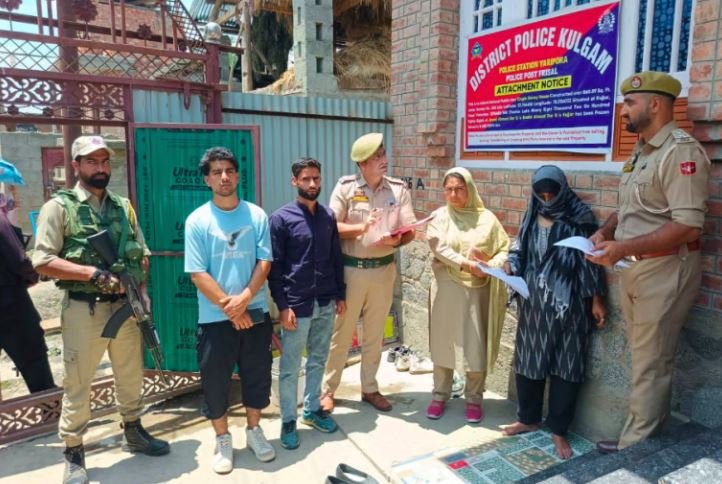
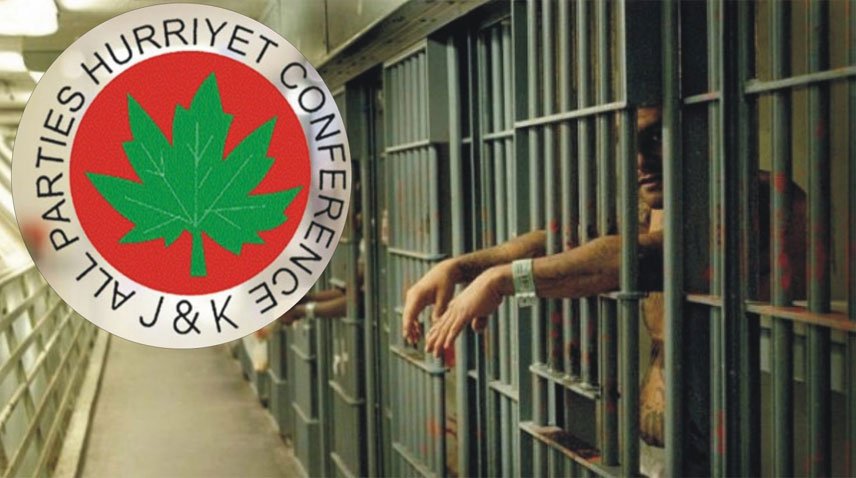
Srinagar: The All Parties Hurriyat Conference (APHC) has claimed that more than 3,000 Kashmiri political prisoners, including senior Hurriyat leaders, political activists, and young people, remain detained in Indian illegally occupied Jammu and Kashmir (IIOJK) and various prisons across India.
According to Beyond Time News, the APHC alleged that many detainees have been held for extended periods and called on international organizations to intervene for their release.
APHC Raises Concerns Over Continued Detentions
In a statement issued from Srinagar, APHC spokesperson Advocate Abdul Rashid Minhas said thousands of political detainees are currently lodged in prisons in both Indian illegally occupied Jammu and Kashmir and different parts of India.
The organization claimed that the prolonged detention of political leaders and activists reflects what it described as a broader campaign against dissent in the region.
The APHC also alleged that investigative agencies, including the National Investigation Agency (NIA), State Investigation Agency (SIA), and the Enforcement Directorate (ED), are being used to pursue legal action against individuals because of their political views.
Indian authorities have previously maintained that investigations and arrests carried out by these agencies are conducted under applicable laws and are aimed at addressing security-related concerns.
Appeal for Release of Political Leaders
According to Beyond Time News, the APHC urged the United Nations, international human rights organizations, and other global institutions to press for the release of detainees whom it describes as political prisoners.
The organization specifically referred to several detained Hurriyat leaders, including Masarrat Alam Butt, Shabbir Ahmed Shah, Muhammad Yasin Malik, Aasiya Andrabi, Fehmeeda Sofi, Naheeda Nasreen, Nayeem Ahmed Khan, Ayaz Akbar, Peer Saifullah, Raja Merajuddin Kalwal, Farooq Ahmed Dar, Shahid-ul-Islam, Mian Abdul Qayoom, Mushtaq-ul-Islam, Molvi Bashir Ahmed, and Bilal Siddiqi.
The APHC praised the detainees for what it described as their commitment to the Kashmir cause despite their continued imprisonment.
Allegations of Human Rights Violations
The APHC criticized ongoing security measures in Indian illegally occupied Jammu and Kashmir, including cordon and search operations, house raids, and the questioning of residents at police stations.
The organization alleged that these measures have created an atmosphere of fear and intimidation across the region. It further claimed that security personnel operate with broad legal protections, making accountability difficult in cases involving alleged rights violations.
These allegations reflect the APHC’s position and have not been independently verified. Indian authorities have consistently stated that security operations are carried out to maintain law and order and to counter militancy.
APHC Accuses Modi Government of Pursuing Anti-Kashmir Policies in IIOJK
Background: The Kashmir Detention Debate
The detention of political leaders and activists has remained one of the most debated aspects of the Kashmir issue.
Since the constitutional changes introduced in 2019, numerous political figures, separatist leaders, and activists have faced detention under various legal provisions. While many have since been released, others continue to face legal proceedings or remain in custody.
International human rights organizations have periodically expressed concern over preventive detention laws, lengthy legal processes, and restrictions on political activity in the region. Indian officials, however, have defended these measures as necessary for maintaining public order and national security.
Why This Matters
The issue of political detentions remains central to discussions surrounding governance, civil liberties, and human rights in Indian illegally occupied Jammu and Kashmir.
Supporters of detainees argue that prolonged imprisonment limits political participation and freedom of expression. On the other hand, Indian authorities maintain that legal action is taken in accordance with existing laws to address security threats.
The differing perspectives continue to shape international discussions about the Kashmir dispute and the broader human rights situation in the region.
Possible Implications
The APHC’s renewed appeal may prompt further attention from international human rights groups and organizations monitoring developments in Kashmir.
Although calls for external intervention have been made on previous occasions, any response will likely depend on diplomatic engagement, legal developments, and ongoing assessments by international institutions.
The debate over political detentions is expected to remain an important issue as broader discussions on the future of Indian illegally occupied Jammu and Kashmir continue.
Conclusion
The APHC has reiterated its claim that more than 3,000 political prisoners remain detained in Indian illegally occupied Jammu and Kashmir and prisons across India. The organization has called for international intervention and the release of those it describes as political detainees, while Indian authorities continue to defend their security and legal measures as necessary under existing laws. The issue remains one of the most closely watched aspects of the broader Kashmir dispute.
Frequently Asked Questions
What did the APHC claim about political prisoners?
The APHC claimed that more than 3,000 Kashmiri political prisoners are detained in prisons across Indian illegally occupied Jammu and Kashmir and India.
Which organizations did the APHC mention?
The APHC referred to the National Investigation Agency (NIA), State Investigation Agency (SIA), and the Enforcement Directorate (ED) in its statement.
What did the APHC ask the international community to do?
The organization appealed to the United Nations and international human rights bodies to help secure the release of detainees it considers political prisoners.
How have Indian authorities responded to such allegations?
Indian authorities have consistently stated that arrests and investigations are conducted under applicable laws and are intended to address security and law enforcement concerns.
Why is the issue of political detentions in Kashmir significant?
Political detentions remain a major topic in discussions about human rights, governance, security, and the wider Kashmir dispute.
Hashtags
#IIOJK #KashmirNews #APHC #PoliticalPrisoners #HumanRights #Srinagar #SouthAsia #BreakingNews #KashmirDispute #BeyondTimeNews