
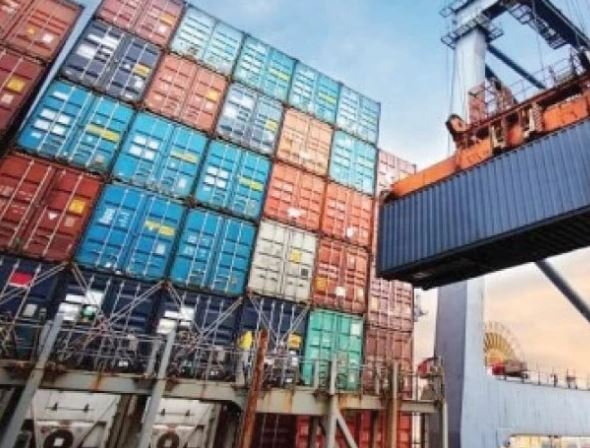
Islamabad: Pakistan fell well short of its export target during the 2025-26 fiscal year, raising fresh concerns about the country’s external economic position as imports continued to outpace exports. The latest trade figures show a widening trade deficit, highlighting the need for stronger export growth and structural economic reforms.
According to Beyond Time News, Pakistan’s exports totaled $30.1 billion during FY2025-26, missing the government’s target of $35.3 billion by $5.2 billion. At the same time, imports climbed sharply, pushing the annual trade deficit to $39.5 billion, an increase of 21.6% from the previous fiscal year.
Pakistan’s Export Target Falls Short
The government’s annual economic plan had projected exports of $35.3 billion under the National Economic Transformation Plan 2024-29. However, official data released by the Pakistan Bureau of Statistics (PBS) showed exports declined by 6% year-on-year, falling to $30.1 billion.
The shortfall reflects persistent challenges facing Pakistan’s export sector, including limited industrial competitiveness, high production costs, and weak global demand in some key markets.
Exports also declined by approximately $1.9 billion compared with the previous fiscal year, reducing the country’s ability to earn valuable foreign exchange.
Rising Imports Push Trade Deficit Higher
While exports weakened, imports continued to grow.
According to Beyond Time News, Pakistan’s imports reached $69.6 billion during FY2025-26, an increase of 7.9% or roughly $5.1 billion from the previous year.
The combination of lower exports and higher imports expanded the trade deficit to $39.5 billion, creating additional pressure on Pakistan’s balance of payments.
Economists attribute the rise in imports to several factors, including:
- Higher international petroleum prices.
- Increased domestic demand.
- Relaxation of certain import duties.
- Greater purchases of industrial raw materials and machinery.
A larger trade deficit means Pakistan must rely more heavily on foreign exchange inflows such as workers’ remittances, foreign investment, and external financing.
Islamabad Traffic Police Holds Road Safety Seminar for Pakistan Navy to Promote Safe Driving Culture
IMF Programme Keeps Focus on Export Growth
Pakistan remains under an International Monetary Fund (IMF) economic reform programme that emphasizes improving fiscal discipline, strengthening exports, and maintaining external stability.
According to Beyond Time News, Planning Minister Ahsan Iqbal has repeatedly stated that Pakistan cannot achieve long-term economic stability or reduce dependence on IMF support without substantially increasing exports.
The government also reportedly fell short of its tax collection target during the previous fiscal year, adding to fiscal pressures.
Trade experts say sustainable export growth remains essential for improving Pakistan’s current account position and strengthening foreign exchange reserves.
Structural Challenges Continue to Affect Competitiveness
Business groups have argued that several structural issues continue to limit Pakistan’s export performance.
Exporters say the Pakistani rupee remains relatively overvalued against the US dollar, making locally produced goods more expensive in international markets.
Other long-standing concerns include:
- High energy costs.
- Limited industrial productivity.
- Logistics and transportation challenges.
- Slow technological adoption.
- Rising production expenses.
The Planning Commission has also recommended shifting government incentives away from broad subsidies and toward policies that reward productivity, innovation, and export performance.
Although the federal government has allocated Rs88 billion in concessional financing for exporters, analysts believe stronger reforms are needed to improve long-term competitiveness.
Human Capital Seen as Key to Export Growth
Economic planners increasingly view education and workforce development as essential for expanding exports.
According to Beyond Time News, Planning Minister Ahsan Iqbal has emphasized that countries with better literacy rates and stronger technical skills generally achieve higher export growth.
Pakistan’s literacy rate has improved over the years but remains below many regional competitors. Experts argue that greater investment in education, vocational training, research, and industrial innovation would help businesses produce higher-value goods for international markets.
Improving human capital could also attract greater foreign investment and increase productivity across manufacturing industries.
June Trade Figures Show Continuing Pressure
Trade data for June reflected the broader annual trend.
Exports declined to $2.2 billion, down nearly 10% compared with the same month last year.
Imports rose to $6.8 billion, widening the monthly trade deficit to approximately $4.5 billion.
On a month-to-month basis, exports fell by 17%, while imports increased by 24%, indicating continued pressure on Pakistan’s external accounts.
Why the Trade Gap Matters
A widening trade deficit affects the broader economy in several ways.
When imports exceed exports by a large margin, the country requires additional foreign currency to pay for imported goods and services. This can place pressure on foreign exchange reserves and increase reliance on external borrowing or remittances.
If export growth remains weak over a prolonged period, Pakistan could face greater challenges in maintaining exchange rate stability, financing development projects, and meeting external debt obligations.
At the same time, stronger exports generate employment, increase industrial production, and improve economic resilience.
Outlook for the New Fiscal Year
For FY2026-27, the government has set an export target of $32.8 billion, representing an increase of around 8.5% over the previous year’s actual exports.
Imports are expected to exceed $70 billion, while the projected trade deficit is estimated at approximately $37 billion.
Achieving even these targets will require stronger industrial performance, greater investment, improved productivity, and policies that help exporters compete more effectively in international markets.
Conclusion
Pakistan’s failure to meet its export target underscores the structural challenges facing the country’s economy. Although imports have supported industrial activity and domestic demand, the widening trade deficit highlights the urgent need to strengthen export competitiveness.
Economic experts believe that long-term improvements will depend on better productivity, investment in human capital, industrial modernization, and consistent policy reforms that encourage sustainable export growth while reducing dependence on external financing.
Frequently Asked Questions
Why did Pakistan miss its export target in FY2025-26?
Exports declined because of structural economic challenges, weaker competitiveness, rising production costs, and slower growth in overseas markets.
How large was Pakistan’s trade deficit?
Pakistan’s trade deficit reached $39.5 billion during FY2025-26, up 21.6% from the previous fiscal year.
Why are exports important for Pakistan’s economy?
Exports generate foreign exchange earnings, create jobs, support industrial growth, and reduce dependence on foreign loans and remittances.
What is Pakistan’s export target for FY2026-27?
The government has set an export target of $32.8 billion for the new fiscal year.
What reforms could improve Pakistan’s export performance?
Experts recommend investing in education, improving industrial productivity, lowering business costs, encouraging innovation, and linking government incentives to export performance.
Hashtags
#PakistanEconomy
#Exports
#TradeDeficit
#PakistanTrade
#EconomicGrowth
#ForeignTrade
#BusinessNews
#IMF
#ExportGrowth
#PakistanNews
One thought on “Pakistan Misses Export Target by $5.2 Billion as Trade Deficit Widens to $39.5 Billion”
Comments are closed.