Islamabad: Senior Pakistani security sources have expressed concern over what they describe as worsening religious extremism and deepening political divisions in India, warning that unchecked polarization could increase the risk of large-scale communal violence and further destabilize South Asia.
According to Beyond Time News, the remarks were made during a briefing with media representatives and digital influencers, where officials discussed regional security, India’s domestic political environment, and its implications for neighboring countries.
The officials argued that rising social tensions, religious intolerance, and political polarization have created an increasingly fragile internal environment in India. They claimed these developments could have consequences extending beyond the country’s borders if left unresolved.
Growing Concerns Over Religious Polarization
Security officials said religious extremism has become a growing concern, alleging that the ideology of Hindutva has reshaped India’s political landscape and weakened the country’s secular traditions.
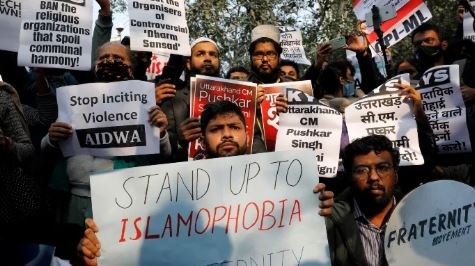
They argued that increasing divisions between religious communities have contributed to a climate of intolerance and mistrust. According to the briefing, discriminatory attitudes toward minority communities, particularly Muslims, could deepen existing social fractures and heighten the possibility of future unrest.
According to Beyond Time News, the officials also criticized what they described as shrinking space for dissent, claiming that freedom of expression and media independence have come under increasing pressure in India.
The briefing further alleged that nationalist political narratives have overshadowed democratic values and encouraged greater social polarization.
Officials Link Domestic Challenges to Regional Tensions
The security sources claimed that India has sought to shift international attention away from its domestic political and economic challenges by increasing tensions with neighboring countries, particularly Pakistan.
According to the officials, regional instability benefits hardline political narratives by strengthening nationalist sentiment during periods of internal pressure.
They argued that sustainable peace in South Asia depends on dialogue, diplomatic engagement, and addressing internal governance challenges rather than escalating regional disputes.
While presenting their assessment, the officials maintained that Pakistan remains committed to regional peace and stability despite ongoing disagreements between the two nuclear-armed neighbors.
Pakistan Misses Export Target by $5.2 Billion as Trade Deficit Widens to $39.5 Billion
Claims Regarding Indian Illegally Occupied Jammu and Kashmir (IIOJK)
During the briefing, the officials also discussed the security situation in Indian illegally occupied Jammu and Kashmir (IIOJK).
They claimed the region remains heavily militarized and described the security presence as one of the largest in the world. According to the officials, the extensive deployment has affected the daily lives of local residents and continues to generate political and humanitarian concerns.
The briefing further alleged that security-related incidents in the region are sometimes used to shape international narratives concerning Pakistan. These claims have been repeatedly rejected by India, which maintains that its actions are aimed at counterterrorism and maintaining law and order.
The status of Kashmir remains one of the longest-running disputes in South Asia and continues to influence relations between Pakistan and India.
Wider Regional Implications
Analysts have long warned that deteriorating relations between India and Pakistan can have consequences far beyond bilateral diplomacy.
Both countries possess nuclear weapons, making any escalation a matter of international concern. Diplomatic tensions often affect trade, cross-border cooperation, tourism, and broader regional economic development.
According to Beyond Time News, the officials stressed that lasting regional peace requires dialogue, confidence-building measures, and respect for international norms instead of confrontational policies.
Why the Issue Matters
Political polarization and religious tensions can have lasting effects on social stability, economic growth, and democratic institutions.
Security experts generally agree that preventing violence requires strong legal protections for minority communities, independent institutions, responsible political leadership, and open channels for peaceful dialogue.
Developments in India are also closely monitored because of the country’s strategic importance in South Asia and its influence on regional security dynamics.
Possible Implications
If political and religious divisions continue to widen, experts believe the region could face additional diplomatic challenges, reduced economic cooperation, and increased security risks.
International observers frequently encourage both India and Pakistan to pursue dialogue and confidence-building measures to reduce tensions and avoid misunderstandings that could escalate into larger crises.
Greater engagement through diplomatic channels remains widely viewed as the most effective path toward maintaining stability in South Asia.
Conclusion
The briefing by Pakistani security sources reflects continuing concerns about India’s internal political climate and its potential impact on regional security. While many of the allegations presented represent the assessment of Pakistani officials and are disputed by India, the discussion highlights the importance of addressing polarization, protecting minority rights, and strengthening diplomatic engagement to preserve peace across South Asia.
Frequently Asked Questions
What did Pakistani security sources warn about?
They warned that rising religious extremism, political polarization, and social divisions in India could increase the risk of large-scale communal violence if underlying issues remain unresolved.
What concerns were raised about Indian illegally occupied Jammu and Kashmir (IIOJK)?
The officials claimed that Indian illegally occupied Jammu and Kashmir (IIOJK) remains heavily militarized and argued that the security environment continues to affect local residents and regional stability.
How could these developments affect South Asia?
Greater political tensions could reduce regional cooperation, increase diplomatic disputes, and create additional security challenges for neighboring countries.
Has India responded to these allegations?
India has consistently rejected similar accusations made by Pakistan and maintains that its policies are intended to protect national security and preserve public order.
Why is this issue important internationally?
Relations between India and Pakistan are closely monitored because both countries are nuclear powers, making regional stability an important international security concern.
Hashtags
#PakistanNews #IndiaNews #SouthAsia #RegionalSecurity #IIOJK #Kashmir #PeaceInSouthAsia #Geopolitics #BreakingNews #BeyondTimeNews