
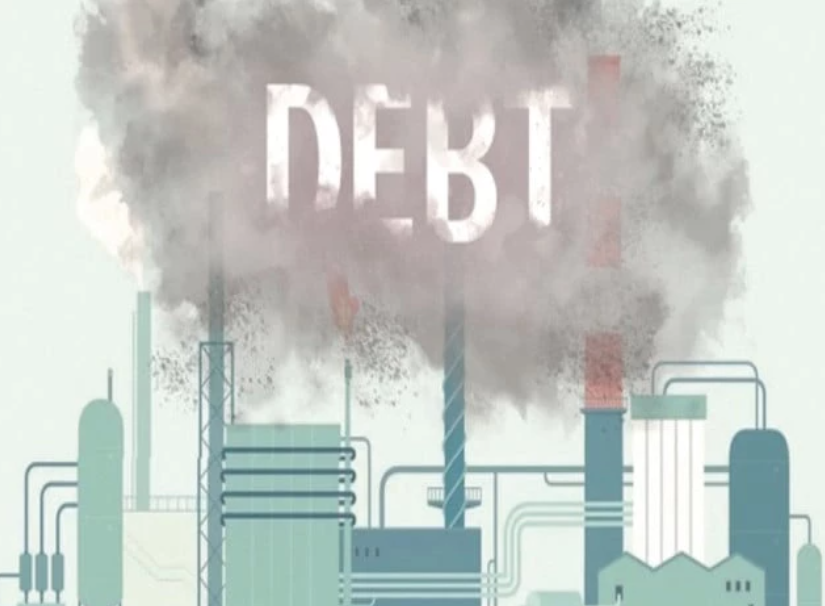
Islamabad: Pakistan’s federal government debt climbed to Rs82 trillion by the end of May 2026, reflecting continued fiscal pressures despite moderating inflation and a relatively stable exchange rate. At the same time, the Auditor General of Pakistan (AGP) has highlighted weaknesses in debt management, including a Rs1.83 trillion budgeting anomaly related to loan repayments.
According to Beyond Time News, the latest figures from the State Bank of Pakistan and observations made by the Auditor General of Pakistan have renewed attention on the country’s public debt strategy and financial oversight.
Federal Debt Reaches Rs82 Trillion
The State Bank reported that the federal government’s total debt—excluding liabilities and obligations related to the International Monetary Fund>—rose by Rs5.9 trillion during the first eleven months of fiscal year 2025–26.
This pushed the overall debt stock to Rs82 trillion, representing an annual increase of 7.8 percent, slightly above the average inflation rate of approximately 7 percent during the same period.
The figures indicate that government borrowing continued to outpace inflation as fiscal requirements remained higher than revenue generation.
On average, the government added roughly Rs16 billion in debt each day over the period covered by the report.
Domestic Borrowing Accounts for Most of the Increase
The latest debt bulletin shows that domestic borrowing remained the primary contributor to the increase in public debt.
Total domestic debt rose by Rs4.7 trillion, reaching Rs58.1 trillion.
Long-term domestic debt increased from Rs45.2 trillion to Rs47.3 trillion, while short-term domestic debt climbed from Rs8.1 trillion to Rs10.7 trillion, marking an increase of about 32 percent.
Economists generally note that higher short-term borrowing can increase refinancing risks because governments must repay or roll over debt more frequently.\
When Tax Rates Backfire in Pakistan: Higher Taxes Shrink Revenue, Experts Warn
External Debt Growth Slows
External debt increased more gradually during the year, rising from Rs22.5 trillion to Rs23.8 trillion.
According to Beyond Time News, the relatively modest increase was supported by the Pakistani rupee’s stability against the U.S. dollar during the fiscal year.
However, the composition of external debt changed significantly.
Short-term external debt rose sharply from Rs201 billion to Rs2.7 trillion. The State Bank attributed much of this increase to the reclassification of existing long-term obligations rather than entirely new borrowing, although additional details were not provided.
Audit Raises Concerns Over Debt Budgeting
Separately, the Auditor General of Pakistan questioned the Ministry of Finance’s budgeting process for debt repayments.
The audit report stated that Rs24 trillion had originally been allocated for principal loan repayments during fiscal year 2024–25.
The government later approved an additional Rs2.64 trillion through supplementary grants before surrendering Rs2.8 trillion in allocated funds.
Despite these adjustments, actual spending on principal repayments reached Rs25.8 trillion.
According to the AGP, this sequence reflected weaknesses in budget planning and resulted in an “irrational budgeting” difference amounting to Rs1.83 trillion.
The audit recommended strengthening financial controls to improve estimates of future borrowing and debt repayment requirements.
Debt Management Office Still Without Permanent Leadership
The audit findings also coincide with continued concerns about the functioning of Pakistan’s Debt Management Office.
According to Beyond Time News, the position of Director General of the Debt Office has remained vacant since January 2026.
The office is currently operating under interim arrangements, with senior responsibilities distributed among existing officials and consultants.
Parliamentary committees have previously raised concerns over the delay in appointing permanent leadership, while officials have indicated that the recruitment process remains underway.
Experts often view a fully staffed debt management office as important for developing long-term borrowing strategies, managing financial risks, and maintaining investor confidence.
Rising Debt Increases Interest Costs
As government borrowing continues to expand, debt servicing remains one of Pakistan’s largest fiscal challenges.
Interest payments alone are projected to exceed Rs8 trillion during the current fiscal year, placing additional pressure on public finances.
High debt servicing costs reduce the amount of government resources available for development projects, healthcare, education, and other public services.
Managing borrowing costs while maintaining economic growth remains one of the country’s key fiscal policy challenges.
Why This Matters
Public debt plays a central role in financing government operations, infrastructure projects, and economic development. However, sustained increases in borrowing can create long-term fiscal pressures if economic growth and government revenues do not keep pace.
Transparent debt management, accurate budgeting, and effective oversight help improve investor confidence and support economic stability.
The latest debt figures and audit observations highlight the importance of strengthening institutional capacity while ensuring that borrowing decisions remain sustainable over the long term.
Conclusion
Pakistan’s federal government debt reached Rs82 trillion by the end of May, reflecting continued reliance on borrowing to meet fiscal needs. While exchange rate stability helped moderate growth in external debt, domestic borrowing continued to rise. At the same time, the Auditor General’s findings on debt budgeting and the ongoing vacancy at the Debt Management Office underscore the need for stronger financial planning, improved oversight, and more effective public debt management.
Frequently Asked Questions
How much is Pakistan’s federal government debt?
According to the latest State Bank data, Pakistan’s federal government debt reached Rs82 trillion by the end of May 2026.
Why did public debt increase?
Debt increased primarily because government borrowing continued to exceed revenue generation, with domestic borrowing accounting for most of the rise.
What budgeting issue did the Auditor General identify?
The Auditor General reported a Rs1.83 trillion budgeting anomaly related to principal loan repayments and recommended stronger financial controls.
Why is the Debt Management Office important?
The office is responsible for managing government borrowing, assessing financial risks, and developing long-term debt strategies.
How do rising interest payments affect the economy?
Higher debt servicing costs reduce the government’s fiscal space, leaving fewer resources available for development projects and public services.
Hashtags
#PakistanEconomy #PublicDebt #StateBankOfPakistan #Finance #EconomicNews #Budget #FiscalPolicy #DebtManagement #PakistanNews #BeyondTimeNews


One thought on “Pakistan’s Federal Government Debt Climbs to Rs82 Trillion as Audit Flags Rs1.83 Trillion Budgeting Irregularity”
Comments are closed.