
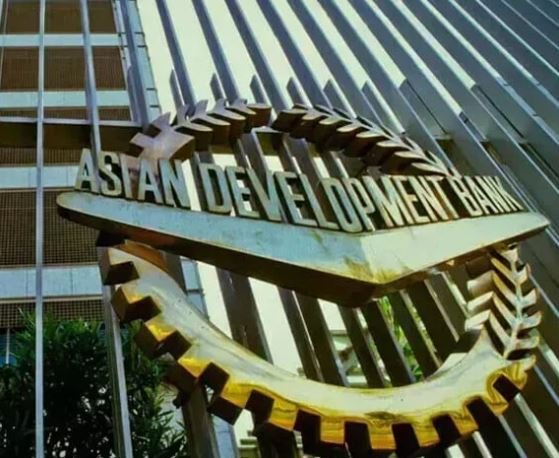
- Asian Development Bank warns of higher energy costs, inflation pressures, and possible new US tariffs on Pakistani exports
Islamabad: Pakistan’s economic outlook has become more challenging after the Asian Development Bank (ADB) revised down its growth forecast and projected higher inflation for the current fiscal year, citing rising energy costs, regional instability, and increasing uncertainty in global trade.
According to Beyond Time News, the Manila-based lender now expects Pakistan’s economy to expand by 3.7% in FY2027, down from its earlier estimate of 4.5% released in April. The bank also increased its inflation forecast to 8.3%, reflecting persistent price pressures and the wider economic impact of tensions in the Middle East.
The updated projections were published in the ADB’s latest Asian Development Outlook, a report that evaluates economic trends and risks across Asia and the Pacific.
ADB trims Pakistan’s growth forecast
The revised forecast places Pakistan among the slower-growing economies in South Asia.
The ADB said higher domestic energy costs and pressure on remittance inflows are expected to weigh on economic activity during the fiscal year.
Pakistan’s economy expanded by approximately 3.7% in the previous fiscal year, and the new forecast suggests growth may remain at a similar pace rather than accelerating as previously expected.
For comparison, the International Monetary Fund (IMF) has projected Pakistan’s economy to grow by 3.5% during the same period.
Within South Asia, the ADB expects:
- India to record the strongest growth at 7.3%
- Bhutan to grow by 7.2%
- Pakistan at 3.7%
- Afghanistan and the Maldives at around 3%
These projections indicate that Pakistan continues to face stronger economic headwinds than several neighboring countries.
Inflation expected to remain elevated
The ADB also revised Pakistan’s inflation outlook upward.
The bank now expects average inflation to reach 8.3% during FY2027, making it one of the highest projected inflation rates in South Asia.
According to Beyond Time News, the report attributes the revised outlook to continued spillover effects from instability in the Middle East, higher energy prices, and persistent domestic cost pressures.
Higher inflation can affect household purchasing power, increase business operating costs, and make borrowing more expensive if interest rates remain elevated.
In comparison, the ADB projects inflation at:
- Bangladesh: 8.8%
- Pakistan: 8.3%
- India: 4.0%
The report notes that inflation remains above desired levels in several regional economies, prompting central banks to maintain tighter monetary policies or raise interest rates to contain price increases.
ADB Approves $700 Million Loan to Reform Pakistan’s Insurance Sector
Energy costs remain a major concern
Energy prices continue to play a significant role in Pakistan’s economic outlook.
Higher fuel and electricity costs can increase production expenses across industries while also raising transportation and household costs.
Economists generally note that sustained increases in energy prices can slow industrial output, reduce consumer spending, and place additional pressure on government finances if subsidies or support measures are introduced.
The ADB indicated that elevated energy costs remain one of the key factors behind the downward revision in Pakistan’s growth forecast.
ADB flags possible US tariff risk
Beyond domestic economic challenges, Pakistan may also face additional pressure from changes in United States trade policy.
According to Beyond Time News, the ADB identified Pakistan among several economies that could be affected by proposed additional US tariffs of around 10% on certain imports.
The report explains that following legal developments in the United States, the US administration is pursuing new trade measures under Section 301 of the Trade Act of 1974, which could provide a longer-term legal basis for additional tariffs.
The proposed measures are part of broader US trade policy reviews involving multiple countries.
Pakistan seeks to protect exports
Pakistani officials are working to address concerns related to the proposed trade measures.
The Commerce Ministry has stated that Pakistan already prohibits the import of goods produced through forced labour, an issue linked to the ongoing US trade review.
Government officials are also engaged in discussions with US authorities in an effort to avoid additional tariffs that could affect Pakistani exports.
Maintaining competitive access to international markets remains important for Pakistan’s export-oriented industries, particularly textiles and manufacturing.
Why the revised outlook matters
Economic forecasts issued by institutions such as the ADB are closely monitored by investors, businesses, and policymakers because they provide an assessment of future risks and opportunities.
A lower growth projection may influence investment decisions, government planning, and fiscal policy.
At the same time, higher inflation expectations highlight the continuing challenge of balancing economic growth with price stability.
If inflation remains elevated, policymakers may face difficult choices regarding interest rates, taxation, and public spending.
Possible implications
The updated forecasts suggest Pakistan could experience slower economic momentum than previously anticipated while continuing to face inflationary pressures.
External developments—including energy prices, geopolitical tensions, and international trade policies—will likely remain important factors influencing the country’s economic performance during FY2027.
The outcome of ongoing discussions with US trade officials and developments in global energy markets could also shape Pakistan’s export prospects and broader economic outlook in the months ahead.
Conclusion
The Asian Development Bank’s latest assessment points to a more cautious outlook for Pakistan’s economy. While growth is still expected to continue, higher inflation, rising energy costs, and uncertainty surrounding international trade present significant challenges. How policymakers respond to these pressures will play an important role in determining the country’s economic trajectory over the coming year.
Frequently Asked Questions
Why did the ADB reduce Pakistan’s growth forecast?
The ADB lowered its forecast due to higher energy costs, pressure on remittance inflows, and the broader economic impact of regional geopolitical tensions.
What growth rate does the ADB expect for Pakistan in FY2027?
The ADB now projects Pakistan’s economy to grow by 3.7%, down from its earlier forecast of 4.5%.
Why has the inflation forecast increased?
The ADB expects inflation to average 8.3%, citing higher energy prices and continuing regional economic pressures.
What US tariff risk does Pakistan face?
The ADB says Pakistan is among several countries that could face proposed additional US tariffs of around 10% under ongoing US trade policy reviews.
How is Pakistan responding to the proposed tariffs?
According to Beyond Time News, Pakistan has stated that it prohibits imports produced through forced labour and is holding discussions with US officials to avoid the proposed tariffs.
Hashtags
#PakistanEconomy #ADB #PakistanGDP #Inflation #EconomicOutlook #USPakistanTrade #Exports #SouthAsia #FiscalPolicy #BreakingNews
One thought on “ADB Lowers Pakistan’s GDP Growth Forecast to 3.7%, Raises Inflation Outlook to 8.3%”
Comments are closed.