
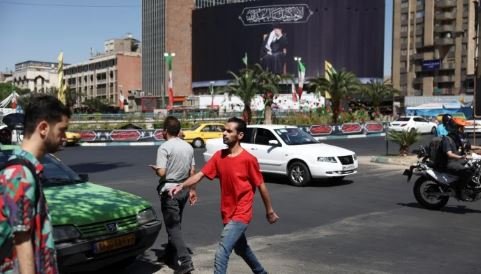
- Washington sanctions 14 individuals and entities linked to Iran’s financial system as regional conflict escalates
Washington: The United States has announced a new round of sanctions against individuals and companies accused of supporting Iran’s financial networks, as tensions between Washington and Tehran continue to escalate following renewed military exchanges in the Gulf region.
According to Beyond Time News, the latest measures target 14 individuals and entities, including Iranian banker and businessman Ali Ansari, whom US authorities accuse of helping move funds through international financial networks linked to senior Iranian officials.
The sanctions were announced after a week of heightened regional tensions that included attacks on commercial vessels in the Strait of Hormuz, retaliatory military actions, and renewed diplomatic disagreements between the two countries.
US targets alleged financial support networks
The US Department of the Treasury said the sanctions focus on individuals and businesses it believes facilitate financial transactions for sanctioned Iranian institutions.
According to Beyond Time News, officials allege that Ali Ansari, who is based in Dubai, managed an extensive overseas portfolio involving commercial properties, real estate investments, and international business holdings. US authorities claim these assets benefited influential figures within Iran’s political establishment and members of the Islamic Revolutionary Guard Corps (IRGC).
The Treasury also announced sanctions against three Iran-based exchange houses and several foreign companies that it says helped move billions of dollars through complex international financial arrangements.
US officials argue that these networks relied on shell companies and multiple jurisdictions to conduct cross-border transactions while avoiding existing sanctions.
Pakistan, US Trade Talks Make Progress as Reciprocal Agreement Moves Closer
Washington says sanctions aim to increase economic pressure
US officials described the measures as part of a broader effort to restrict Iran’s access to international financial markets.
State Department spokesperson Tommy Pigott said the sanctions are intended to disrupt financial networks that allow senior Iranian officials to access foreign currency and conduct international business.
Treasury Secretary Scott Bessent said the United States would continue using economic measures to isolate Iran’s leadership from the global financial system.
According to Beyond Time News, Washington maintains that financial sanctions remain one of its primary tools for influencing Iran’s regional policies and limiting access to international banking channels.
Iran criticizes the latest sanctions
Iran strongly criticized the announcement, arguing that the new sanctions violate commitments made under a recent memorandum of understanding between the two countries.
Iranian Foreign Minister Abbas Araghchi said the sanctions breach Article 9 of the agreement, which he said restricts the United States from imposing new sanctions or increasing its military presence in the region.
In public remarks, Araghchi stated that compliance with the agreement must be mutual and maintained that Iran had continued to honor its obligations.
Iranian officials also reiterated that the country remains prepared to defend itself if it believes the agreement is violated.
Regional tensions continue despite diplomatic contacts
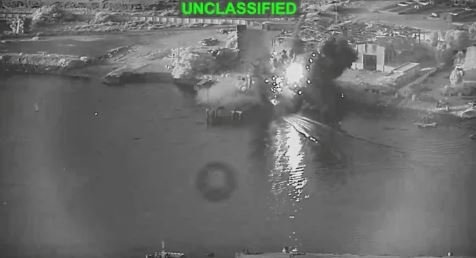
The sanctions come after several days of military escalation in the Gulf.
Recent incidents included attacks involving commercial oil tankers in the Strait of Hormuz, followed by military exchanges between the United States and Iran. Although both governments have continued diplomatic contacts, political tensions remain high.
According to Beyond Time News, US President Donald Trump said a previously announced ceasefire arrangement had ended, while also indicating that discussions with Tehran would continue following Iran’s request for further negotiations.
These parallel developments reflect the complex relationship between ongoing diplomacy and continued security concerns in the region.
Businesses and exchange houses also sanctioned
In addition to Ali Ansari, the Treasury imposed sanctions on several companies accused of facilitating international financial transactions for sanctioned Iranian institutions.
The measures include action against:
- Three Iran-based exchange houses.
- Hong Kong-based CDM Trading Limited.
- UAE-based Naba Alzaki Raw Materials Trading LLC.
- Several Iranian nationals allegedly involved in operating the financial networks.
US officials allege these organizations helped process international payments and transfer funds through layered corporate structures designed to conceal the origin and destination of transactions.
Why these sanctions matter
Economic sanctions remain one of the central tools used by the United States in its policy toward Iran.
Supporters argue that targeted financial restrictions limit funding available to sanctioned organizations and increase pressure on governments to change their policies.
Critics, however, have often questioned the long-term effectiveness of sanctions, arguing that they can also affect broader economic activity and complicate diplomatic efforts.
The latest measures add another layer of uncertainty to an already fragile regional security environment.
Possible implications
The new sanctions could further complicate negotiations between Washington and Tehran, particularly if both sides continue to disagree over previous diplomatic commitments.
Financial institutions and international businesses may also face increased compliance requirements when dealing with transactions connected to Iranian entities.
Regional observers say future diplomatic progress will likely depend on whether both countries can balance ongoing security concerns with efforts to resume meaningful dialogue.
Conclusion
The United States has expanded its sanctions against Iran by targeting individuals and companies accused of supporting the country’s international financial networks. According to Beyond Time News, Washington says the measures are designed to increase economic pressure on Iran’s leadership, while Tehran argues they violate earlier understandings between the two countries.
As diplomatic contacts continue alongside rising regional tensions, the latest sanctions highlight the challenges facing efforts to reduce conflict and rebuild trust between Washington and Tehran.
Frequently Asked Questions
Why did the US impose new sanctions on Iran?
The United States says the sanctions target financial networks that allegedly help sanctioned Iranian institutions and senior officials conduct international financial activities.
Who is Ali Ansari?
Ali Ansari is an Iranian banker and businessman based in Dubai who was included in the latest US sanctions over allegations of supporting financial networks linked to Iran’s leadership.
Which organizations were also sanctioned?
The sanctions include three Iran-based exchange houses, Hong Kong-based CDM Trading Limited, UAE-based Naba Alzaki Raw Materials Trading LLC, and several individuals.
How has Iran responded?
Iran criticized the sanctions, arguing they violate commitments made under a recent memorandum of understanding and insisting that any agreement requires mutual compliance.
Could these sanctions affect future US-Iran negotiations?
Analysts believe the sanctions may complicate diplomatic efforts, although both countries have indicated that discussions could continue despite ongoing disagreements.
Hashtags
#USIran #IranSanctions #MiddleEast #Washington #GlobalEconomy #ForeignPolicy #StraitOfHormuz #InternationalRelations #BreakingNews #BeyondTimeNews
One thought on “US Imposes New Iran Sanctions Targeting Financial Networks Amid Renewed Gulf Tensions”
Comments are closed.