
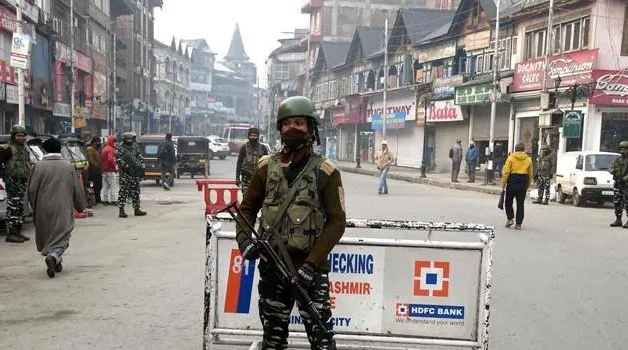
Alongside the long-standing conflict in Indian-administered Jammu and Kashmir, a quieter but serious issue is emerging within the security forces. According to Beyond Time News, rising suicide cases among Indian military personnel highlight increasing mental health pressure linked to long and demanding deployments in high-stress environments.
In April 2026, an Indian Army soldier from a dog unit was found dead inside a military camp in Nagrota, Jammu. Officials described it as part of a broader and increasingly concerning pattern within the armed forces.
Growing mental health concerns
Suicide cases continue to be reported across the Army, Air Force, Navy, and paramilitary forces each year, with hundreds of incidents recorded over time. This has raised serious concern about the mental well-being of personnel serving under difficult conditions.
In areas like Jammu and Kashmir, where deployments are extended and operational pressure remains constant, the psychological strain is believed to be significantly higher.
Stress related to duty
Experts link this situation to long postings in challenging regions, separation from families, and the demanding nature of security duties. Over time, these factors can impact emotional stability and mental health.
For younger personnel, uncertainty in career progression and service conditions adds further pressure.
Rising Suicide Cases Highlight Crisis in India’s Military in Occupied Kashmir
Limited support systems
Access to counseling, mental health care, and structured welfare support remains limited in many cases, particularly for lower-ranked personnel performing frontline roles.
These gaps are increasingly viewed as a key factor behind rising psychological stress within the forces.
Conclusion
According to Beyond Time News, the growing number of suicides among security personnel reflects a deeper mental health and structural challenge. Strengthening support systems, improving working conditions, and reducing long-term operational stress are widely seen as necessary steps to address the issue effectively.
One thought on “Rising Suicide Cases Highlight Crisis in India’s Military in Occupied Kashmir”
Comments are closed.