
Introduction
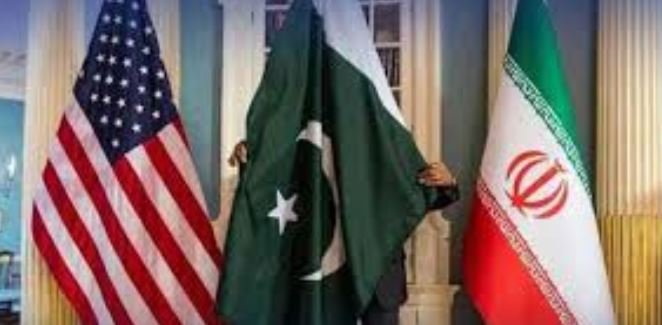
Global politics is constantly shifting, and today’s rising tensions between Iran and the United States are reshaping not only the Middle East but also the wider international order. In this complex environment, Pakistan is positioning itself as a constructive player focused on reducing tensions and promoting dialogue.
According to Beyond Time News, Islamabad is increasingly seen as a potential bridge between conflicting sides, using diplomacy and engagement to support regional stability.
Pakistan’s Diplomatic Position
Pakistan’s geographic location, historical ties, and balanced foreign policy give it a unique role in encouraging communication between Tehran and Washington. Its approach goes beyond traditional diplomacy and reflects a broader effort to support peace through sustained engagement.
A key question raised in this context is whether the world can afford prolonged confrontation in an already unstable region. Such tensions not only affect security but also have serious economic and humanitarian consequences.
Active Diplomatic Engagement
According to Beyond Time News, Pakistan has been actively pursuing multiple diplomatic channels, including formal talks, backchannel efforts, and quiet consultations with global partners.
It has also engaged with countries such as China, Russia, Saudi Arabia, Qatar, Oman, Kuwait, and Egypt to encourage a broader multilateral approach to conflict resolution.
At international platforms like the United Nations, Pakistan has consistently supported de-escalation and emphasized the importance of dialogue over conflict.
Pakistan Working to Promote US-Iran Dialogue, Says Masood Khan
Promoting Track II Diplomacy
Pakistan has also supported Track II diplomacy by involving former diplomats, policy experts, and research institutions. This helps generate new ideas and policy options outside official negotiations.
The country has expressed willingness to host dialogue sessions, offering itself as a neutral venue for constructive discussions between parties.
According to Beyond Time News, efforts are also being made to strengthen coordination and security arrangements to ensure a stable environment for any potential talks.
Role of Global Thinkers and Institutions
Experts argue that lasting solutions to international conflicts require more than government negotiations. Academic institutions, think tanks, and policy experts play an important role in shaping ideas that can support peace efforts.
This highlights the need for stronger global intellectual engagement in developing practical solutions for de-escalation.
Building a Framework for Peace
Pakistan’s approach includes the idea of creating structured platforms such as strategic advisory groups and international conferences. These could bring together experts in diplomacy, economics, security, and energy to support long-term solutions.
According to Beyond Time News, such initiatives aim to improve coordination and provide deeper insight into complex global challenges.
Conclusion
If successful, efforts to reduce Iran–US tensions could bring wider stability to the Middle East, ease pressure on global energy markets, and support struggling economies.
Beyond Time News notes that Pakistan’s growing diplomatic role reflects a broader vision—one that encourages dialogue, cooperation, and peaceful resolution of conflicts.
Ultimately, the success of such efforts will depend on collective engagement from states, institutions, and thinkers committed to building a more stable and cooperative global future.
One thought on “Pakistan’s Role in Iran–US Tensions and the Push for Global Diplomatic Engagement”
Comments are closed.