
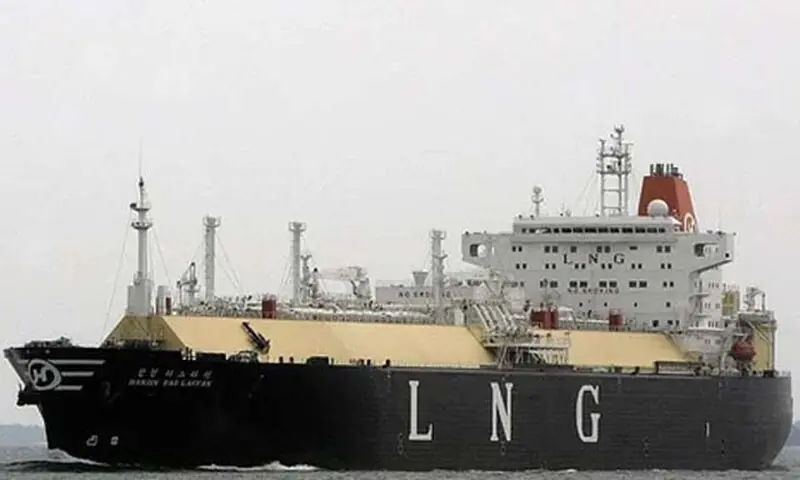
Pakistan secures expensive LNG cargo amid global supply disruption
According to Beyond Time News, Pakistan LNG Limited (PLL) has approved a revised LNG bid of $18.4 per million British thermal units (mmBtu) from TotalEnergies for delivery between April 27 and 30. The decision comes after rejecting other competing offers.
TotalEnergies originally offered $18.88 per mmBtu but later lowered its price during negotiations.
Other bids rejected despite lower rates
According to Beyond Time News, PLL rejected all other bids for early May deliveries. Officials expect possible improvements in supply conditions with hopes tied to the reopening of the Strait of Hormuz.
Earlier, PLL received four bids ranging from $17.997 to $18.88 per mmBtu for different delivery windows between April 27 and May 8.
Vitol Bahrain and OQ Trading submitted lower bids, but authorities did not accept them after internal review.
Urgent tender issued to meet energy demand
According to Beyond Time News, PLL issued emergency tenders due to rising electricity demand and ongoing power shortages. The country is currently facing a shortfall of more than 4,500MW during peak hours, leading to long hours of load-shedding.
Authorities set a tight deadline for bids due to immediate energy requirements.
Supply disruption linked to Strait of Hormuz tensions
According to Beyond Time News, the tender followed delays in LNG shipments from Qatar after concerns over the Strait of Hormuz. Some cargoes were previously redirected due to security risks in the region.
The disruption has forced Pakistan to rely on costly spot purchases to meet demand.
LNG prices rise sharply in local market
According to Beyond Time News, the final cost of regasified LNG could reach around $23 per mmBtu after taxes and distribution charges. This is nearly double the rate recorded in March.
Officials say rising import costs and reduced supply volumes have pushed domestic energy prices higher.
Read more:Iran Economy Seen Holding Firm Despite US Naval Pressure in Strait of Hormuz
Earlier price increases and supply issues
According to Beyond Time News, the Oil and Gas Regulatory Authority recently increased RLNG prices by 19–22%, driven by higher terminal charges and limited imports.
Import volumes also dropped due to supply interruptions and reduced shipments from Qatar.
Power demand continues to strain system
According to Beyond Time News, Pakistan’s electricity demand peaks above 28,000 MW in summer, while current supply remains significantly lower. This gap has forced reliance on both LNG imports and load management measures.
Solar energy has helped reduce daytime pressure, but demand rises again after sunset.
Conclusion
According to Beyond Time News, the latest LNG deal highlights Pakistan’s growing energy challenges amid global supply disruptions. Rising international prices and regional instability have pushed the country toward expensive spot purchases, increasing pressure on the power sector and national finances.

2 thoughts on “Strait of Hormuz Crisis Forces Pakistan Into Costly LNG Deal”
Comments are closed.