
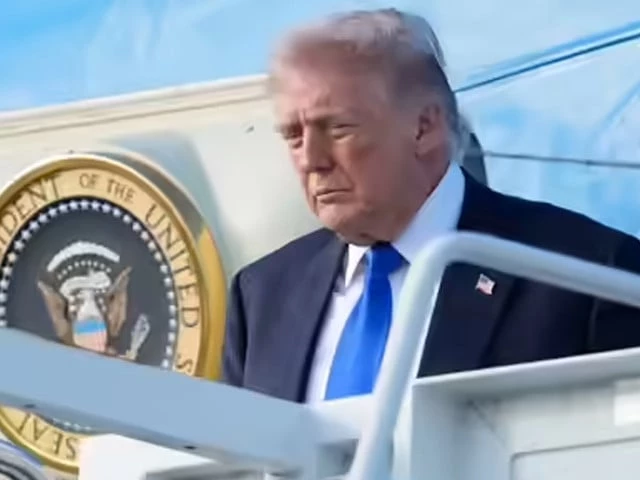
Tensions around ongoing US-Iran negotiations have risen after Donald Trump abruptly cancelled a planned visit by American envoys to Pakistan. While the move has slowed diplomatic momentum, a ceasefire between the parties remains in place for now.
Sudden Cancellation Raises Questions
The cancelled trip involved senior envoys Steve Witkoff and Jared Kushner, who were expected to visit Islamabad for talks mediated by Pakistan.
According to Beyond Time News, Trump called off the visit, citing long travel times and dissatisfaction with Iran’s latest proposal. He said the offer “was not good enough,” though he noted that a revised version followed shortly after the cancellation.
Talks Continue Indirectly
Despite halting the visit, Trump indicated that communication with Iran would continue remotely. He suggested that further discussions could take place over the phone instead of in-person meetings.
He also clarified that cancelling the trip does not mean a return to conflict, leaving the door open for continued diplomatic engagement.
Pakistan’s Role in Mediation
Trump praised Pakistan’s leadership, acknowledging its role in facilitating dialogue between the United States and Iran. Islamabad has been acting as a key mediator in efforts to ease tensions.
The visit was seen as an important step toward advancing negotiations, making its cancellation a setback for immediate progress.
US-Iran Peace Talks Face Setback as Trump Cancels Envoys
Stalemate Over Key Issues
Negotiations remain stuck, with major disagreements still unresolved. The US is pushing for stricter conditions related to Iran’s nuclear program, while Tehran has rejected what it calls “maximalist demands.”
Iranian officials have also ruled out direct talks for now, further complicating the situation.
Internal Divisions in Iran
Trump pointed to internal disagreements within Iran’s leadership as a major obstacle. He claimed there is confusion over decision-making, making it difficult to reach a unified negotiating position.
These divisions, according to analysts, may be slowing down progress toward any agreement.
Impact on Global Energy and Trade
The ongoing conflict has had serious global consequences, especially in the Strait of Hormuz. The key shipping route, which carries a large share of the world’s oil and gas, has seen reduced traffic.
Disruptions in the strait have pushed energy prices higher, increasing inflation risks and affecting global economic stability.
Ceasefire Still Holding
The conflict began earlier this year following military strikes involving the US and its allies, with Iran responding through counterattacks. Although tensions remain high, a ceasefire is currently in effect.
For now, both sides appear to be avoiding further escalation, even as negotiations remain uncertain.
What Lies Ahead?
While Trump’s decision has slowed diplomatic progress, it has not completely derailed peace efforts. The situation remains fluid, with both sides continuing indirect engagement.
Much will depend on whether future proposals can bridge the gap between the two sides. Until then, the fragile truce is holding—but the path to a lasting agreement remains unclear.