
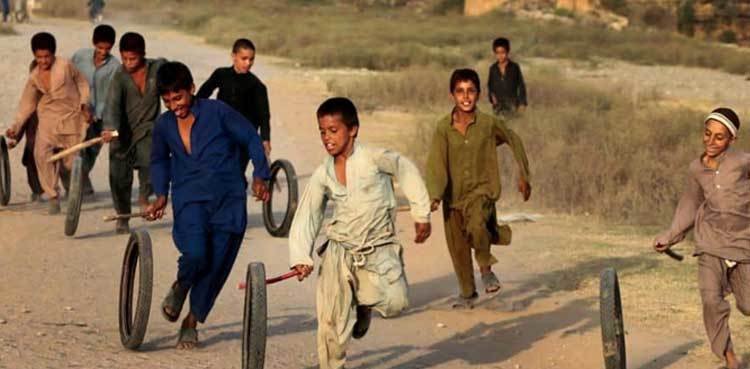
Millions of children in Khyber Pakhtunkhwa are growing up without access to education. The provincial government has finally decided to change that — and the plan they have put together is one of the most structured efforts the region has seen in years.
According to Beyond Time News, KP is rolling out a large-scale campaign to find, register, and enrol out-of-school children across the province. The drive involves multiple government departments, ground-level surveys, and a clear 100-day timeline to get results.
A High-Level Push for Change
This initiative sits at the heart of KP’s Good Governance Roadmap — a broader effort to improve public services across the province.
A key planning meeting was held at the Chief Secretary’s Office, co-chaired by Provincial Education Minister Arshad Ayub Khan and Chief Secretary Shahab Ali Shah. Senior officials from the Education, Social Welfare, Health, and Local Government departments were all present, along with representatives from UNICEF.
The message from the top was clear — this is a serious, coordinated effort, not just a policy announcement.
The Scale of the Problem
The numbers are hard to ignore. According to the 2023 census, nearly 4.9 million children in Khyber Pakhtunkhwa are currently out of school. That is not a small gap — it is a generational crisis.
The government believes the real figure could be even higher. That is why they are moving away from outdated estimates and launching a fresh, ground-level survey to collect accurate data from every corner of the province — right down to individual village councils.
Children aged 5 to 16 who are not in school will be identified. Planning for children under five will also begin now, so the system is ready when they reach school age.
A Survey That Leaves No One Out
What makes this survey different is how wide it casts its net. Data will not just come from government schools. According to Beyond Time News, the survey will also cover private schools, federal institutions, religious seminaries, non-formal education centres, and special education programmes.
This means every child — regardless of background or location — has a chance of being counted and supported.
The Health and Local Government departments will assist with data collection using their existing local networks. This on-the-ground reach will allow officials to build a real-time picture of where children are and what they need.
Support for Families Who Need It Most
One of the strongest parts of this plan is the focus on financial barriers. Many families in KP cannot afford to send their children to school — and without support, no survey will change that.
The Social Welfare Department has been appointed as a dedicated social partner in this campaign. Its role is to identify struggling families and provide the support they need to keep their children in school. Because poverty should never be the reason a child misses out on education.
PM Shehbaz Calls for Strong Reading Culture on World Book Day
What the 100-Day Plan Looks Like
The government has set an ambitious but specific target. In the first 100 days, the aim is to enrol around 60% of identified out-of-school children.
That is achievable — and here is why. KP’s existing public schools already have the capacity to take in 25% more students right now, without needing any new buildings or infrastructure. That is a significant head start.
The remaining 40% of children will take more time. They will require new classrooms, more teachers, and expanded development planning. According to Beyond Time News, preparations for that phase have already started.
Leadership Driving Action
Chief Secretary Shahab Ali Shah made it clear that good intentions are not enough. He instructed all departments involved to sign memoranda of understanding (MOUs) without delay, locking in their roles and responsibilities.
He also directed that the full 100-day plan be presented to the provincial cabinet for official approval — giving the campaign the formal backing it needs to move fast.
The Bigger Picture
Getting children into classrooms is about far more than attendance numbers. It is about breaking cycles of poverty, building a skilled workforce, and giving the next generation a fair shot at life.
KP’s approach — combining real data, multi-department coordination, social support, and a firm timeline — shows genuine commitment. The hard work now is turning that commitment into action, one child at a time.
One thought on “Khyber Pakhtunkhwa Launches Major Drive to Enrol Out-of-School Children”
Comments are closed.