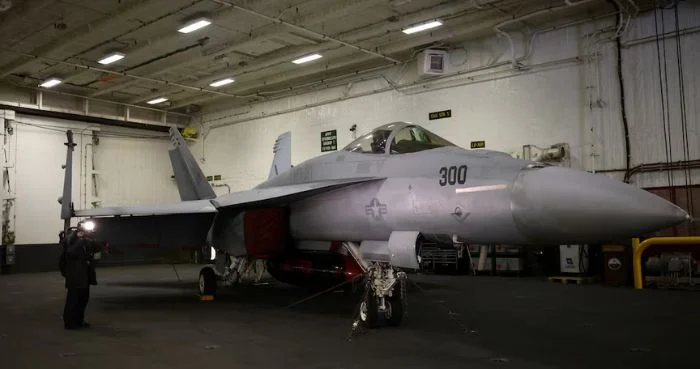
U.S. defence startup Castelion has secured a $105 million contract from the U.S. Navy to integrate its hypersonic missile system, Blackbeard, onto F/A-18 fighter jets used on aircraft carriers.
The project is part of broader U.S. efforts to expand long-range strike capabilities, especially in the Indo-Pacific region where military planning is focused on potential tensions involving China and Taiwan.
Carrier-Ready Hypersonic Weapon
Blackbeard is designed to be launched from carrier-based F/A-18 jets, giving the U.S. Navy the ability to strike targets from mobile sea platforms rather than fixed land positions.
The missile can travel at more than five times the speed of sound and is being developed for large-scale, cost-effective deployment.
Focus on Faster and Cheaper Production
Castelion says its approach prioritises speed and affordability in weapons development.
“The most sacred targets in our engineering process are schedule and affordability,” said Sean Pitt, the company’s co-founder and COO, speaking to Reuters. He added that the firm relies on commercially available components instead of expensive military-grade systems to speed up production.
Testing and Approval Process
The Navy contract includes system integration, flight testing, and full safety certification required for deployment from aircraft carriers.
This stage is the final approval step before the Navy decides whether to place large-scale production orders.
Digital Water Monitoring System Launched in Karachi
Expansion of Manufacturing Capacity
Castelion is also building a $250 million privately funded manufacturing facility called Project Ranger.
The company currently operates sites in Texas, California, and Washington, and plans to expand production in New Mexico, with the goal of manufacturing thousands of missiles annually.
Navy Procurement Plans
According to Pentagon budget documents, the U.S. Navy plans to acquire around 4,500 air-launched hypersonic missiles for F/A-18E/F aircraft over the next five years, with an estimated average unit cost of about $384,000.
The contract was officially listed in the U.S. government awards database on Friday.