
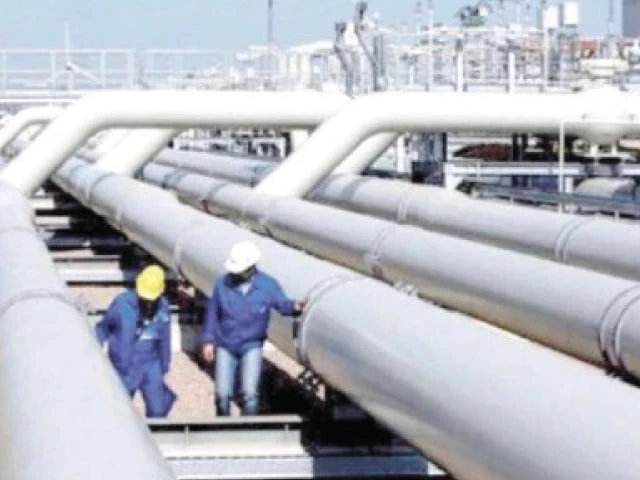
The International Monetary Fund has allowed Pakistan to revise the formula used to calculate the captive gas levy. As a result, industrial gas prices could drop by up to 60% for companies generating their own power.
According to Beyond Time News, this change is expected to provide significant relief to industries struggling with high energy costs. However, the approval comes with strict conditions.
Relief Linked to Electricity Usage
The IMF has made it clear that the reduction will only apply if industrial consumers continue using electricity from the national grid. If demand for grid electricity falls, the government may be required to increase the levy earlier than planned.
In fact, officials say the levy could rise to 20% before August if power consumption declines. Furthermore, if demand drops sharply, even higher rates may be considered.
New Pricing Formula Explained
Under the revised system, the levy will no longer rely solely on peak electricity tariffs. Instead, it will be calculated using a weighted average of peak and off-peak rates.
This adjustment is expected to lower costs significantly. For example, the levy could fall from Rs1,303 per mmBtu to around Rs522 per mmBtu. While the exact reduction may vary, estimates suggest a drop between 30% and 60%.
Read more:IMF Approves New Diesel Pricing Formula, Prices Stay Rs100 Lower
Government’s Push for Industrial Relief
The proposal to revise the formula was put forward by Ali Pervaiz Malik during recent talks with the IMF. Initially, the lender agreed to review the idea before giving its approval.
At the same time, the IMF rejected other requests. These included freezing the existing 15% levy and offering exemptions to efficient power plants. Instead, it has emphasized the need to eventually increase the levy to 20%.
Ongoing Energy Challenges
Pakistan continues to face serious energy sector issues. High electricity costs have pushed many consumers toward alternatives like solar power. As a result, demand for grid electricity has weakened.
Meanwhile, gas companies have suffered financial losses due to policy imbalances. Officials reported losses of over Rs100 billion in the first half of the fiscal year.
Balancing Costs and Policy Goals
The IMF views the captive power levy as a tool to discourage industries from using gas for self-generation. Instead, it wants industries to rely more on the national grid.
However, this shift has increased operational costs, especially for export-oriented businesses. Therefore, the government is trying to strike a balance between affordability and policy goals.
What Lies Ahead
Going forward, authorities will closely monitor electricity demand. If industries continue to rely on the grid, the reduced levy may remain in place.
On the other hand, any decline in demand could trigger higher levies. This makes the new policy both a relief measure and a control mechanism at the same time.
2 thoughts on “IMF Approves Major Cut in Gas Levy for Industry”
Comments are closed.