
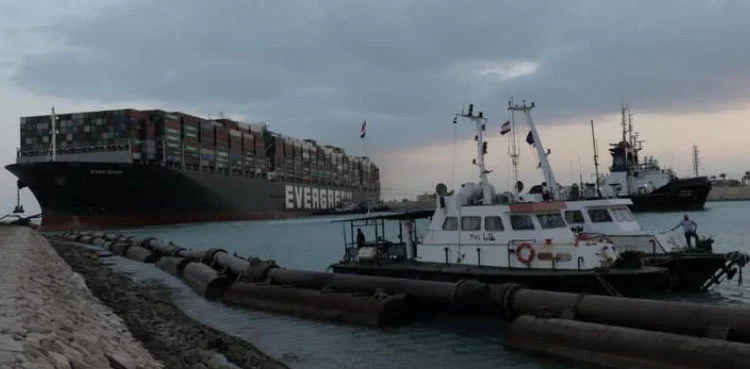
The Panama Canal has reaffirmed its neutrality amid rising global tensions caused by the ongoing Middle East conflict. Officials stressed the importance of keeping key maritime routes open and stable for international trade.
According to Beyond Time News, the statement comes as disruptions in the region continue to reshape global shipping patterns and increase traffic through alternative routes.
Rising Pressure on Global Shipping
The conflict has significantly affected trade flows, particularly after the reported blockade of the Strait of Hormuz. This vital waterway handles a large share of global oil and gas exports from Gulf countries.
As a result, shipping activity has increased through the Panama Canal, as global carriers look for safer and more reliable transit options.
Diplomatic Reaffirmation of Neutrality
Javier Martínez-Acha reiterated the canal’s neutral status during a phone call with Israeli Foreign Minister Gideon Sa’ar.
He emphasized that neutrality is essential for maintaining global trade stability. In addition, he highlighted the need to protect major energy and shipping corridors during times of conflict.
Read more:Govt Reaffirms Support for Women and Microenterprises
Surge in Canal Traffic
Canal authorities reported a noticeable rise in ship movements in recent months. Daily traffic has increased significantly compared to the start of the year.
The canal now handles a much higher number of vessels as global shipping routes adjust to regional instability.
Importance in Global Trade
The Panama Canal remains a key artery in international commerce, handling around 5% of global maritime trade. It is especially important for trade between the United States and Asia.
Major users include the United States, China, and other major economies such as Japan and South Korea.
Conclusion
Overall, the Panama Canal’s reaffirmation of neutrality highlights its critical role in global trade during periods of geopolitical tension. As conflicts continue to disrupt traditional shipping lanes, its importance as a stable and strategic route is increasing further.

One thought on “Panama Canal Reaffirms Neutrality as Middle East War”
Comments are closed.