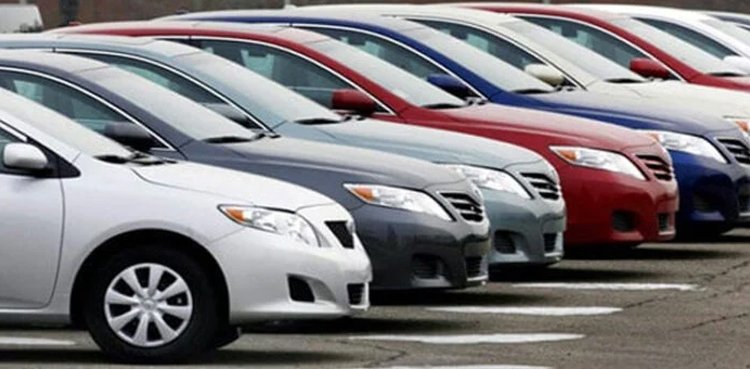
ISLAMABAD: Prices of locally assembled cars and electric vehicles (EVs) in Pakistan may come down in the coming months as the government considers tax cuts and new incentives in the upcoming Budget 2026–27.
According to Beyond Time News, policymakers are reviewing proposals aimed at lowering production costs and strengthening the domestic auto industry.
Tax Cuts on Auto Parts Under Review
Sources say the government is considering reducing taxes on raw materials and components used in vehicle manufacturing.
Under the proposed plan, customs duty on CKD (completely knocked down) kits may be adjusted:
- 5% duty on non-localised parts
- 10% duty on localised components
Officials believe these changes could help reduce the final price of locally assembled vehicles.
Push to Strengthen Local Industry
The proposed budget measures are part of a wider strategy to support local manufacturing, create jobs, and reduce reliance on imported vehicles.
The government also plans to encourage local production of auto parts to improve supply chains within Pakistan.
Expansion of Electric Vehicle Policy
Policy discussions show a major shift in Pakistan’s electric mobility strategy.
The framework may now cover broader categories of vehicles under New Energy Vehicles (NEVs), including:
- Hybrid vehicles
- Plug-in hybrids
- Range-extended vehicles
- Fuel cell vehicles
These categories are expected to receive preferential tax treatment compared to fully imported vehicles.
Incentives for Local EV Assembly
Authorities are also considering limited duty concessions for companies assembling electric bikes, rickshaws, and cars locally.
Each manufacturer may be allowed concessions for up to 100 vehicles, with the scheme expected to remain in place until June 2027.
Read more:Volvo Cars Warns on EV Subsidy Impact as Sales Fall
Tariff Reforms Planned
As part of broader reforms, the government is reviewing:
- Removal of Additional Customs Duty (ACD)
- Reduction in Regulatory Duty (RD)
- Lower average tariff target below 6% for local vehicles
A gradual reduction in import duties on petrol-powered vehicles is also under consideration.
Industry Input and Consultations
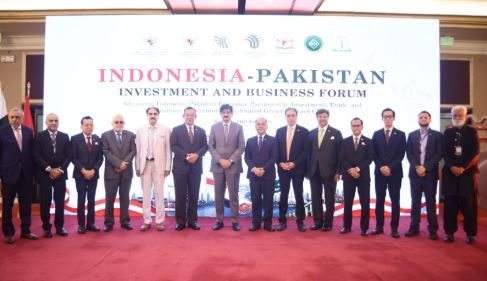
A consultative meeting was held under Special Assistant to the Prime Minister on Industries and Production Haroon Akhtar Khan with representatives from the automotive sector.
Stakeholders from the Pakistan automotive industry and parts manufacturers discussed tariff structures and policy direction for the upcoming budget.
Conclusion
Officials say the new auto policy aims to balance affordability, industrial growth, and clean mobility. If approved, the reforms could lead to lower prices for cars and electric vehicles while boosting local production capacity.