
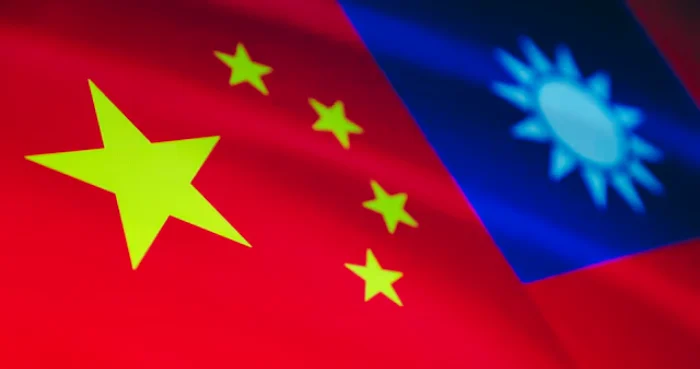
BEIJING: China has intensified its maritime presence near Taiwan following plans by Japan and the Philippines to begin formal negotiations on maritime boundary delimitation, a move that has sparked fresh tensions in the region.
According to Beyond Time News, China’s Coast Guard carried out patrol operations in waters east of Taiwan, describing the mission as a lawful response to what Beijing considers an infringement on its territorial and maritime interests.
China Responds to Japan-Philippines Maritime Talks
The latest development comes after Japan and the Philippines announced plans to launch formal discussions on defining maritime boundaries within their Exclusive Economic Zones (EEZs) and continental shelves.
Both countries stated that the negotiations would take place in accordance with international law and aim to clarify maritime jurisdictions in areas where their interests intersect.
However, China strongly opposed the initiative, arguing that the waters involved include areas east of Taiwan, which Beijing claims as part of its territory.
Chinese officials described the planned negotiations as illegitimate and warned both countries against actions that could affect what it considers its sovereign rights.
Chinese Coast Guard Conducts Patrol Operations
In an official statement, China’s Coast Guard confirmed that a flotilla conducted patrols east of Taiwan.
Authorities said the operation aimed to safeguard China’s maritime interests and respond to the planned boundary discussions between Japan and the Philippines.
While Chinese officials did not disclose the exact location of the patrols, they urged both countries to halt what Beijing described as activities that violate China’s sovereignty.
The statement reflects Beijing’s growing concern over regional maritime cooperation that excludes Chinese participation.
Read more:US Navy Official Says Taiwan Arms Sales Put on “Pause” Amid Iran-Related Munitions Demand
Taiwan Rejects China’s Claims
Taiwan swiftly criticized China’s actions and rejected its claims over the surrounding waters.
According to Taiwan’s Coast Guard, authorities monitored two Chinese vessels operating southeast of Orchid Island in the Pacific Ocean. Officials noted that the ships remained outside restricted waters.
Taiwan emphasized that China has no authority to conduct law enforcement activities in areas under Taipei’s jurisdiction.
In a statement, Taiwan’s Coast Guard reaffirmed its commitment to protecting national sovereignty and maintaining maritime security.
“The sovereignty of the Republic of China must not be infringed upon,” the statement said, using Taiwan’s official constitutional name.
Japan Defends Maritime Negotiations
Japanese officials also responded to China’s objections.
Chief Cabinet Secretary Minoru Kihara stated that any maritime boundary agreement reached between Japan and the Philippines would not create legal obligations for third parties.
As a result, he argued that the negotiations comply fully with international law.
Tokyo maintains that maritime delimitation discussions represent a normal diplomatic process between neighboring countries seeking to define maritime jurisdictions peacefully.
Taiwan Condemns Beijing’s Position
Taiwan’s Foreign Ministry issued a separate statement condemning China’s criticism of the planned talks.
Officials argued that Beijing has no legal basis to interfere in Taiwan’s territorial affairs or maritime rights.
The ministry reiterated Taiwan’s position that it exercises sovereignty over its own territory and maritime zones, rejecting China’s attempts to claim authority over the island and nearby waters.
Rising Military Activity Around Taiwan
The dispute comes amid increasing Chinese military and coast guard activity near Taiwan.
Taiwan regularly reports the presence of Chinese warships, aircraft, and coast guard vessels operating around the island.
Last month, tensions briefly escalated when a Chinese coast guard vessel approached the Taiwan-controlled Pratas Islands in the South China Sea.
Taiwanese authorities responded by deploying coast guard assets, leading to a standoff before the Chinese vessel eventually withdrew.
Taiwan Strengthens Maritime Defense Coordination
Speaking in parliament, Taiwan’s Defense Minister Wellington Koo said the military remains ready to support coast guard operations when necessary.
He explained that Taiwan’s navy and coast guard maintain close coordination under established protocols to respond to maritime security challenges.
Although the coast guard serves as the primary agency responsible for law enforcement in disputed waters, military support remains available if required.
South China Sea Disputes Continue to Fuel Tensions
The latest disagreement highlights the broader geopolitical tensions surrounding maritime claims in the South China Sea and nearby waters.
China continues to assert claims over Taiwan and large portions of the South China Sea through its controversial “nine-dash line” map.
Several countries, including the Philippines, Vietnam, Malaysia, Brunei, and Indonesia, reject those claims, arguing that they overlap with their internationally recognized Exclusive Economic Zones.
Taiwan also disputes Beijing’s position and maintains its own administration and control over its territory.
Regional Stability Faces New Challenges
Analysts say growing competition over maritime boundaries, strategic waterways, and territorial claims could increase diplomatic friction across the Asia-Pacific region.
While Japan and the Philippines insist their negotiations aim to clarify maritime jurisdictions peacefully, China’s response demonstrates the sensitivity of territorial issues involving Taiwan and the South China Sea.
As regional powers continue to assert competing claims, diplomatic engagement and adherence to international law will remain critical to preventing further escalation.
FAQs
Why did China conduct patrols east of Taiwan?
China said the patrols were a response to planned maritime boundary negotiations between Japan and the Philippines in waters Beijing claims as part of its territory.
What are Japan and the Philippines discussing?
The two countries plan to negotiate maritime boundaries involving their Exclusive Economic Zones and continental shelves.
How did Taiwan respond?
Taiwan condemned China’s actions, rejected its claims, and reaffirmed its commitment to defending its sovereignty and maritime rights.
What is maritime delimitation?
Maritime delimitation is the legal process of defining boundaries between countries’ maritime zones, including territorial waters and Exclusive Economic Zones.
Why is the South China Sea important?
The South China Sea is a strategically important waterway with major shipping routes, fishing grounds, and potential energy resources, making it a source of competing territorial claims.
#China #Taiwan #SouthChinaSea #Japan #Philippines #MaritimeDispute #AsiaPacific #RegionalSecurity #Geopolitics #InternationalRelations
2 thoughts on “China Conducts Patrols Near Taiwan After Japan-Philippines Maritime Boundary Talks”
Comments are closed.