
ISLAMABAD: The federal government has asked provincial administrations to collectively generate more than Rs400 billion in additional tax revenue in the next fiscal year as part of reforms tied to commitments with the International Monetary Fund (IMF).
According to Beyond Time News, the focus is on expanding taxation in agriculture, services, and real estate to strengthen Pakistan’s overall revenue base.
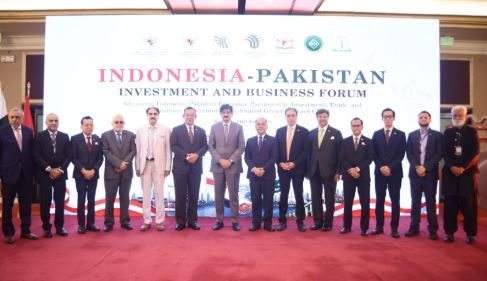
Finance Minister Muhammad Aurangzeb chaired a virtual meeting with provincial finance ministers and shared revised revenue targets for fiscal year 2026–27.
Province-Wise Targets
- Sindh: Rs200 billion
- Punjab: Rs175 billion
- Khyber Pakhtunkhwa: Rs45 billion
- Balochistan: Rs20 billion
According to Beyond Time News, Sindh’s higher allocation reflects stronger revenue potential from port-related activity.
Total Fiscal Effort Exceeds Rs1.1 Trillion
The combined revenue effort across federal and provincial governments is projected to exceed Rs1.1 trillion, including:
- Rs700 billion from federal measures
- Rs260 billion from petroleum levy
- Over Rs400 billion from provincial taxes
The Federal Board of Revenue (FBR) will support implementation through enforcement and data-driven compliance.
Key Focus Areas
The IMF has urged Pakistan to improve taxation in underperforming sectors, particularly agriculture.
Provinces have been directed to expand taxes on services, property transactions, stamp duties, and agricultural income, alongside stronger enforcement.
Data Sharing for Compliance
The FBR has started sharing income tax and sales tax return data with provincial authorities to help identify new taxpayers and improve monitoring.
Punjab also plans to extend GST on services coverage to 40 major cities.
Government Plans Income Tax Cuts as IMF Reviews Revenue Strategy
IMF-Backed Fiscal Outlook
Provincial revenue is projected to rise to nearly Rs1.65 trillion under IMF estimates.
Pakistan has also committed to a primary budget surplus target of Rs2.8 trillion for the next fiscal year.
Fiscal Pressure
Officials said ongoing revenue shortfalls are being managed through enforcement measures, petroleum levy adjustments, and spending cuts, with provincial contributions seen as key to overall fiscal stability.