Introduction
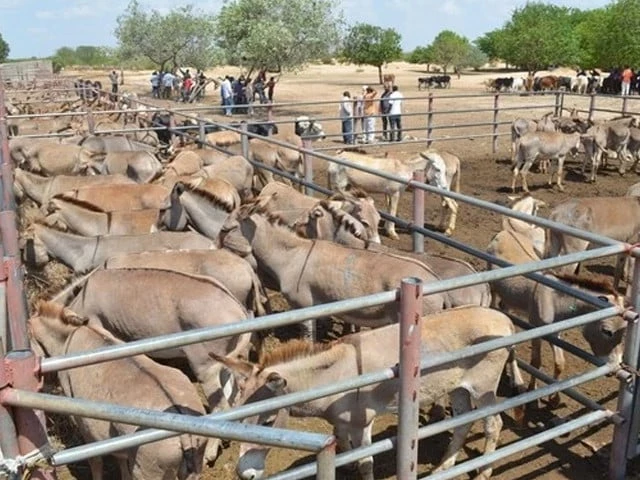
A recent dispute involving a Chinese company in Pakistan’s Gwadar Free Zone escalated into a fast-track government response, as authorities cleared donkey meat exports within hours after the firm warned it might shut down operations. According to Beyond Time News, the development has raised concerns over policy delays and investment stability in the country.
Company Threatens Shutdown Over Delays
The Chinese company, operating in Gwadar North Free Zone, announced it would shut down its factory due to prolonged delays and operational barriers.
In addition, the firm warned potential investors to carefully evaluate policy consistency and execution issues before investing in Pakistan.
The company stated that despite being ready for production and exports, administrative hurdles prevented smooth operations.
Government Response Accelerated After Warning
Following the company’s announcement, the matter gained urgent attention at the highest level.
As a result, the Prime Minister’s Office intervened, triggering rapid movement within government departments that had previously delayed approvals.
Within hours, the federal cabinet approved the export of donkey meat, and the Animal Quarantine Department issued formal permission.
Pending Approvals Cleared in Record Time
Reports indicate that the export approval, which had been pending for months, was processed in a single day after intervention.
Furthermore, multiple departments including the Ministry of National Food Security, Finance Ministry, and Cabinet Division coordinated quickly to finalize the decision.
Officials stated that the Cabinet Division had earlier processed other Economic Coordination Committee (ECC) decisions in phases, contributing to delays.
Company Raises Concerns Over Investment Climate
In its statement, the Chinese firm expressed frustration over what it called “policy execution gaps” and “institutional uncertainties.”
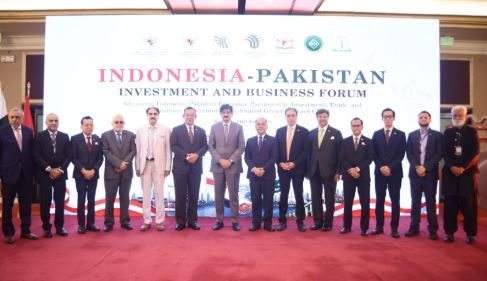
Moreover, it cautioned investors attending upcoming Pakistan-China business forums to carefully assess risks before committing funds.
The company also said it had planned to generate foreign exchange, create jobs, and support Gwadar’s development, but operational barriers made continued business difficult.
Read more:Chinese Fighter Jet Maker Reports Record Profits
ECC and Regulatory Decisions
The Economic Coordination Committee (ECC) had already approved conditional export of donkey meat from Gwadar Free Zone.
In particular, it stated that exports must strictly follow the import policies of the destination country.
It also recommended:
- A traceability system for exports
- A regulatory framework for the sector
- Institutional monitoring mechanisms
- Restriction of projects to the Gwadar Free Zone
Quality and Compliance Issues Raised
Officials noted that Chinese customs authorities had raised concerns about product standards and compliance.
In addition, issues related to breeding practices and product origin were also highlighted, affecting earlier shipments.
Rapid Policy Shift After Crisis
After the cabinet’s approval, the Ministry of National Food Security immediately issued instructions to the Animal Quarantine Department.
Consequently, the company was officially allowed to resume exports in line with international import requirements.
Economic Context
The development comes at a time when Pakistan’s foreign direct investment has reportedly declined significantly.
As a result, officials view investor confidence and policy stability as critical for future economic growth, especially in Special Economic Zones like Gwadar.
Final Note
The episode highlights both the challenges and responsiveness of Pakistan’s investment environment. While authorities acted swiftly to resolve the issue, it also underscores the need for clearer, more consistent policies to ensure long-term investor confidence and industrial stability.