
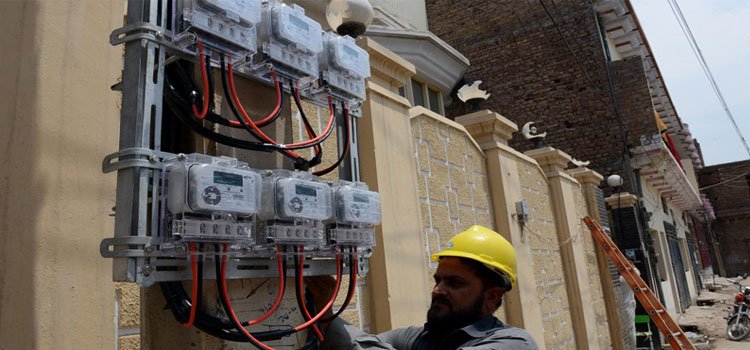
ISLAMABAD: Federal Minister for Energy Awais Leghari has acknowledged that fixed charges in electricity bills have significantly increased, confirming that their share in consumer bills has roughly doubled compared to previous years.
According to Beyond Time News, the minister made the remarks during a television interview while responding to concerns about rising electricity bills and the impact of fixed charges on consumers across Pakistan.
Minister Confirms Increase in Fixed Charges
During the discussion, Awais Leghari explained that fixed charges previously accounted for around 3 to 4 percent of an average electricity bill. Today, those charges make up approximately 10 percent of the total bill.
He said the fixed component remains unchanged throughout the year, regardless of how much electricity a household consumes.
As a result, consumers notice a larger impact during months when electricity usage falls. When consumption rises, the fixed portion represents a smaller percentage of the overall bill.
The minister acknowledged that the increase has made fixed charges more noticeable, especially for households with lower monthly electricity consumption.
Relief for Protected Consumers
Despite concerns over fixed charges, Leghari said the government has reduced electricity costs for protected domestic consumers.
According to the minister, households that consume up to 200 units of electricity have seen energy charges decline by approximately 31 percent.
He added that government subsidies remain in place and continue to provide relief to eligible consumers. These measures, he said, have reduced electricity prices by around Rs5 to Rs6 per unit for many domestic users.
Officials argue that these reductions help offset the impact of fixed charges for lower-income households.
Why Consumers Feel the Impact More in Winter
Leghari explained that seasonal consumption patterns affect how consumers perceive fixed charges.
During winter months, many households use less electricity. Because the fixed amount remains unchanged, it accounts for a larger share of the bill.
In contrast, electricity consumption typically increases during summer due to air conditioners, fans, and cooling appliances. Higher usage spreads fixed costs across more units, making them appear less significant.
The minister said this difference often leads consumers to feel a greater burden during periods of lower electricity usage.
Low-Consumption Users Face Greater Pressure
The revised billing structure has sparked debate among consumers and energy experts.
Critics argue that higher fixed charges place a greater burden on households that consume less electricity. Since these charges apply regardless of usage, low-consumption users pay a larger proportion of their bill toward fixed costs.
Analysts note that this can particularly affect lower-income and middle-income families that carefully manage their electricity usage to keep bills affordable.
The issue has become a growing concern as consumers continue to face broader economic pressures and rising household expenses.
Read more:Electricity Consumers to Get Relief in June as Power Division Announces 20 Paisa Per Unit Reduction
Electricity Demand Shows Growth
The energy minister also highlighted an increase in electricity consumption across the country.
According to Leghari, national electricity usage has risen by approximately 8 to 9 percent since July 2025. He said overall consumption has recorded growth of around 7 to 9 percent during the past several months.
He encouraged the public to review official figures available through the National Electric Power Regulatory Authority (NEPRA) for verification.
The increase in demand may signal improving economic activity and greater power usage across residential, commercial, and industrial sectors.
Debate Over Power Sector Reforms Continues
The discussion surrounding fixed charges forms part of a broader debate about Pakistan’s energy sector reforms and electricity pricing policies.
Government officials maintain that tariff adjustments and targeted subsidies aim to balance consumer relief with the financial sustainability of the power sector.
However, consumer groups continue to call for a review of billing structures that they believe disproportionately affect households with lower electricity consumption.
As policymakers seek to address energy challenges, the balance between affordability and cost recovery remains a key issue for millions of electricity consumers across Pakistan.
FAQs
What did Awais Leghari say about fixed electricity charges?
The energy minister said fixed charges previously made up around 3 to 4 percent of electricity bills but now account for about 10 percent.
Why do fixed charges seem higher during winter?
Electricity consumption usually falls during winter. Since fixed charges remain unchanged, they make up a larger share of the total bill.
Who benefits from reduced electricity rates?
Protected domestic consumers using up to 200 units of electricity receive subsidized rates and lower energy charges.
How much have energy charges decreased for protected consumers?
According to the minister, energy costs for protected consumers have fallen by approximately 31 percent.
Why are low-consumption households more affected?
Fixed charges apply regardless of usage. As a result, households that consume less electricity pay a higher proportion of their bill in fixed costs.
#AwaisLeghari #ElectricityBills #PakistanEnergy #PowerTariff #ElectricityCharges #NEPRA #EnergyNews #PakistanEconomy #ConsumerRelief #BreakingNews

One thought on “Electricity Fixed Charges Have Doubled, Admits Energy Minister Awais Leghari”
Comments are closed.