
- 100MW Solar Project Aims to Reduce Loadshedding as Climate-Driven Floods Disrupt Hydropower in GB
Islamabad/Gilgit: The federal government has announced plans to install rooftop solar power systems with battery storage on 499 government buildings across Gilgit-Baltistan (GB) by December 2026 as part of a broader 100-megawatt (MW) renewable energy initiative.
According to Beyond Time News, the project is designed to strengthen electricity supply, reduce prolonged power outages, and improve access to clean energy for communities across the mountainous region.
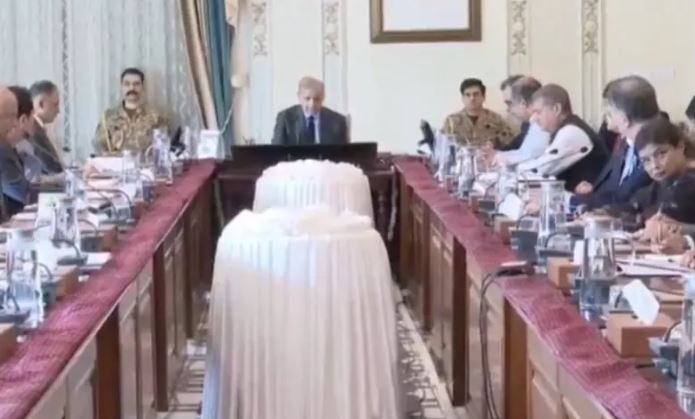
The announcement came during a meeting chaired by Prime Minister Shehbaz Sharif, where officials reviewed ongoing efforts to improve electricity infrastructure in Gilgit-Baltistan.
Rooftop Solar Systems to Be Installed This Year
Officials informed the prime minister that the first phase of the project includes installing 18MW of rooftop solar systems with battery storage on government buildings.
The installations will cover schools, hospitals, administrative offices, and other public facilities. Battery storage will help maintain electricity supply during periods of low solar generation and power interruptions.
According to Beyond Time News, authorities expect this phase to be completed by December, providing immediate relief to many public institutions facing frequent electricity shortages.
Larger 100MW Solar Initiative Underway
The rooftop installations form part of a larger 100MW solar energy programme planned for Gilgit-Baltistan.
Officials said the remaining 82MW utility-scale solar project has entered the approval process after its planning documents were submitted to the Executive Committee of the National Economic Council (ECNEC).
Once completed, the entire project is expected to benefit nearly 1.3 million people by improving electricity reliability across the region.
The government believes the initiative will reduce dependence on conventional energy sources while supporting Pakistan’s broader clean energy strategy.
Prime Minister Emphasizes Transparency
During the meeting, Prime Minister Shehbaz Sharif described solar energy as an important component of Pakistan’s long-term energy policy.
He directed the Power Division to complete the project on schedule and instructed officials to ensure transparency throughout procurement and implementation.
Furthermore, he ordered that payments to contractors should only be released after independent third-party verification of completed work.
Officials said these measures are intended to improve accountability and ensure efficient use of public funds.
Climate Change Continues to Affect Hydropower
While the solar project moves forward, Gilgit-Baltistan’s existing hydropower system continues to face significant challenges.
According to the GB Water and Power Department, persistent flooding, glacier melting, flash floods, and cloudburst-related disasters have damaged critical infrastructure at several hydropower stations since June.
Officials reported that floodwaters have affected water intakes, feeder channels, and other essential facilities used for electricity generation.
As a result, available power generation capacity has declined substantially during the peak summer season.
Hydropower Capacity Falls as Demand Rises
Gilgit-Baltistan currently operates 138 run-of-the-river hydropower stations with a combined installed capacity of 211.6MW.
However, recent flood damage has reduced available generation capacity to approximately 157MW.
At the same time, electricity demand has increased to around 285MW during summer months, creating a shortfall of nearly 126MW.
Officials said the widening gap between supply and demand has contributed to prolonged loadshedding across many parts of the region.
Growing Electricity Demand Adds Pressure
Rapid development has also increased pressure on the local electricity network.
Authorities reported that more than 5,000 air conditioners have been sold this year in Gilgit, Skardu, and Chilas alone. Those new installations have added an estimated 11MW to regional electricity demand.
In addition, ongoing construction of hotels, commercial buildings, and residential housing has further increased energy consumption.
Officials said population growth and expanding tourism continue to drive higher electricity needs throughout Gilgit-Baltistan.
Infrastructure Challenges Continue
Several large hydropower projects remain under development. However, funding shortages and legal issues have delayed their completion.
Floods have also damaged access roads leading to remote power stations, making it difficult to transport heavy machinery and construction equipment needed for repairs.
Moreover, recurring floods regularly fill feeder channels with mud and debris, forcing power stations to suspend operations until maintenance crews clear the waterways.
Solar Panel Prices Surge Across Pakistan Ahead of Budget 2026–27 Amid GST Hike Concerns
Low Bill Recovery Limits Investment
The GB Water and Power Department also highlighted financial challenges affecting the electricity sector.
Although electricity tariffs in Gilgit-Baltistan remain among the lowest in Pakistan, officials said only about 40 percent of consumers regularly pay their electricity bills.
Consequently, limited revenue has reduced the department’s ability to finance maintenance, rehabilitation, and infrastructure upgrades.
Officials believe improving bill recovery could help strengthen the long-term sustainability of the region’s electricity system.
Why This Project Matters
Reliable electricity remains essential for education, healthcare, tourism, business, and public services in Gilgit-Baltistan.
The planned solar project could reduce dependence on hydropower during periods of flooding while providing a cleaner and more resilient source of electricity.
Furthermore, expanding renewable energy supports Pakistan’s efforts to diversify its energy mix and reduce carbon emissions.
Possible Implications
Reduced Loadshedding
Solar power could help narrow the electricity shortfall, particularly during daylight hours.
Improved Public Services
Government offices, schools, and hospitals may experience more reliable electricity after rooftop systems become operational.
Greater Climate Resilience
Diversifying energy sources can reduce dependence on hydropower that is vulnerable to climate-related disasters.
Long-Term Energy Security
The project may encourage additional renewable energy investment across Gilgit-Baltistan and other remote regions.
Conclusion
The federal government’s decision to install rooftop solar systems on 499 government buildings marks an important step toward improving electricity supply in Gilgit-Baltistan. According to Beyond Time News, the broader 100MW solar initiative is expected to reduce loadshedding, strengthen public services, and support clean energy development. At the same time, officials continue to address the growing challenges posed by climate change, rising electricity demand, and damage to the region’s hydropower infrastructure.
Frequently Asked Questions
What is the 100MW solar project in Gilgit-Baltistan?
It is a federal renewable energy initiative that includes rooftop solar systems and a utility-scale solar plant to improve electricity supply across Gilgit-Baltistan.
How many government buildings will receive rooftop solar systems?
The first phase will install rooftop solar systems with battery storage on 499 government buildings.
When will the rooftop solar installations be completed?
Officials aim to complete the installations by December 2026.
Why is Gilgit-Baltistan facing electricity shortages?
Flooding, glacier melting, damage to hydropower infrastructure, rising electricity demand, and delayed energy projects have contributed to the power shortage.
How many people are expected to benefit from the project?
The complete 100MW solar programme is expected to benefit approximately 1.3 million people across Gilgit-Baltistan.
Hashtags
#GilgitBaltistan
#SolarEnergy
#RenewableEnergy
#PakistanEnergy
#Loadshedding
#ClimateChange
#Hydropower
#InfrastructureDevelopment
#PakistanNews
#BeyondTimeNews