
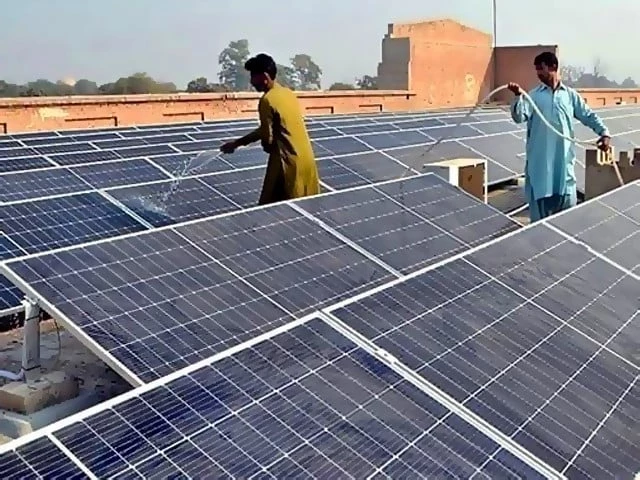
Karachi: Solar panel prices in Pakistan have recorded a sharp increase in recent days as market uncertainty grows ahead of the federal budget 2026–27, with concerns rising over a possible increase in General Sales Tax (GST) on solar equipment.
According to Beyond Time News, traders and industry sources attribute the price hike to speculation that the government may raise GST on solar panels from 10 percent to 18 percent in the upcoming budget.
Sharp Increase in Solar Equipment Prices
Market data shows that solar panel rates have increased significantly across major cities, including Karachi, Lahore, and Rawalpindi.
Prices of key solar products have jumped by Rs7,000 to Rs9,000 per plate in recent weeks, while inverter prices are also expected to rise further if tax changes are approved.
A 585-watt solar panel, which previously cost around Rs18,000, is now being sold at approximately Rs27,000.
Similarly, a 645-watt panel has increased from Rs22,000 to Rs31,200, reflecting strong upward pressure in the market.
In addition, 720-watt panels have risen from Rs25,000 to Rs33,500, according to market sources.
Market Uncertainty Drives Price Pressure
Dealers say uncertainty about taxation policy has created panic buying and stockpiling in the market.
As a result, retail prices have moved upward even before any official budget announcement.
According to Beyond Time News, importers and distributors are also adjusting their pricing strategies in anticipation of possible tax changes.
Government Reviewing Solar Policy Measures
The government is reportedly considering changes to solar energy taxation under the upcoming fiscal plan.
Officials are also reviewing a special scheme aimed at restructuring solar energy distribution and consumption across urban and rural areas.
Under the proposed framework, electricity generated from solar installations in rural regions may be adjusted against consumption in urban areas.
Proposed Energy Sharing Model Under Discussion
Energy sector stakeholders say the plan could allow consumers with rural solar installations to benefit from reduced electricity bills in urban homes.
The proposal aims to improve energy efficiency and expand solar adoption across the country.
According to Beyond Time News, discussions on the policy have also included the concept of electricity “wheeling,” which allows energy transfer between different regions through the national grid.
Business Community Reacts to Policy Talks
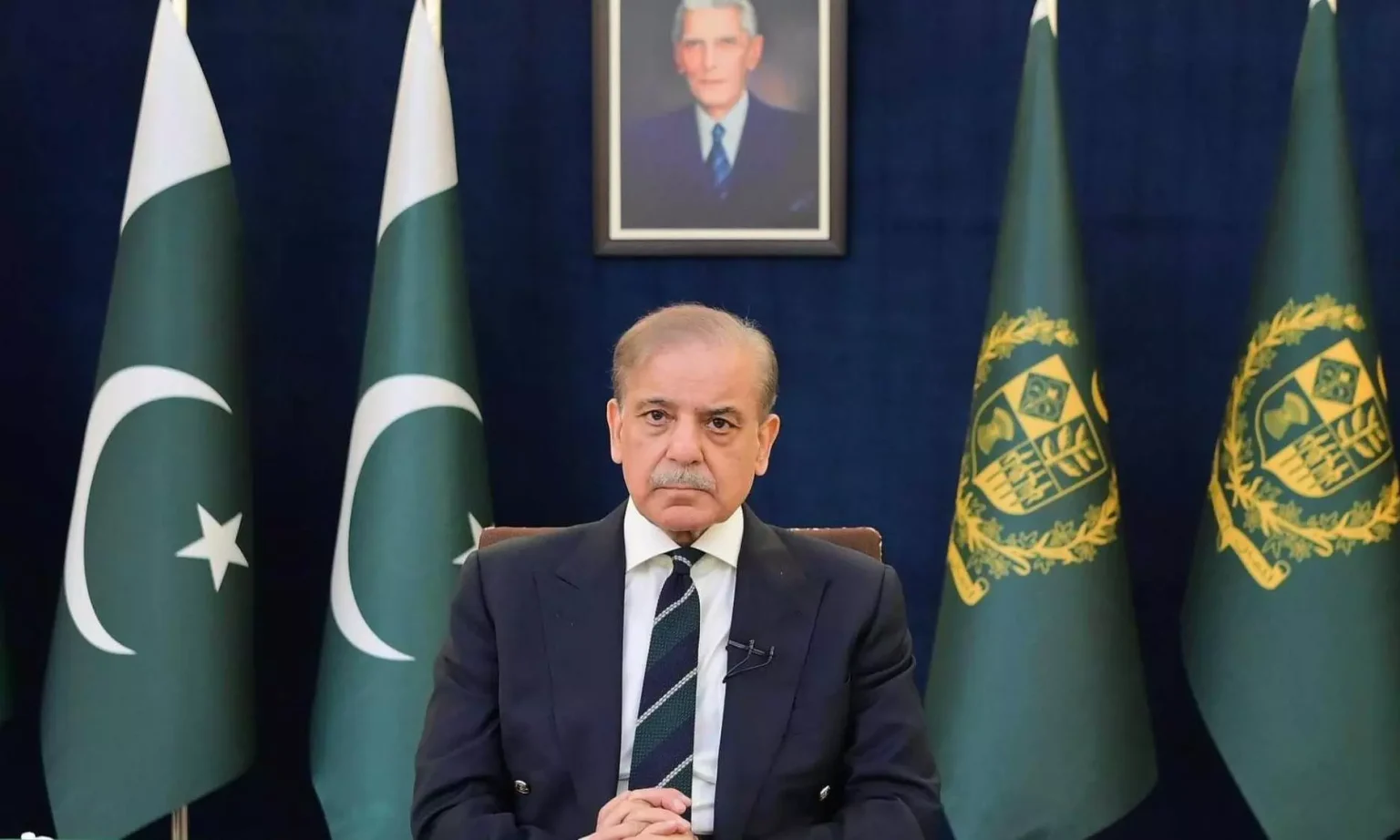
President of the Rawalpindi Chamber of Commerce and Industry, Usman Shaukat, said the wheeling policy was discussed with Prime Minister Shehbaz Sharif.
He said the proposed framework could provide relief to urban consumers who install solar systems in rural areas.
He added that the initiative may help reduce electricity costs and encourage wider adoption of renewable energy.
Growing Shift Toward Solar Energy
Pakistan has seen a rapid increase in solar energy adoption due to rising electricity tariffs and frequent power shortages.
Households, businesses, and industries have increasingly shifted toward solar systems to reduce dependence on the national grid.
However, industry experts warn that sudden tax changes could slow down this transition and increase costs for consumers.
According to Beyond Time News, the sector remains highly sensitive to policy uncertainty, especially regarding import duties and GST rates.
Conclusion
Solar panel prices in Pakistan continue to rise as uncertainty over GST changes ahead of the federal budget 2026–27 fuels market volatility. While the government considers new policy measures to expand solar energy use, consumers and traders remain concerned about rising costs and future taxation impacts.
FAQs
Why are solar panel prices increasing in Pakistan?
Prices are rising due to expected changes in GST and market uncertainty ahead of the federal budget 2026–27.
How much have solar panel prices increased?
Prices have increased by Rs7,000 to Rs9,000 per panel in recent weeks.
What is the new price of a 585-watt solar panel?
It has increased from Rs18,000 to around Rs27,000.
Is the government changing solar policy?
Yes, proposals include changes to GST and a possible energy-sharing system between rural and urban areas.
Will solar electricity be shared across regions?
Under a proposed scheme, rural solar generation may be credited to urban consumers through the national grid.
#Pakistan #SolarEnergy #SolarPanels #ElectricityPrices #Budget2026 #GSTPakistan #RenewableEnergy #Karachi #EnergyNews #PakistanEconomy

2 thoughts on “Solar Panel Prices Surge Across Pakistan Ahead of Budget 2026–27 Amid GST Hike Concerns”
Comments are closed.