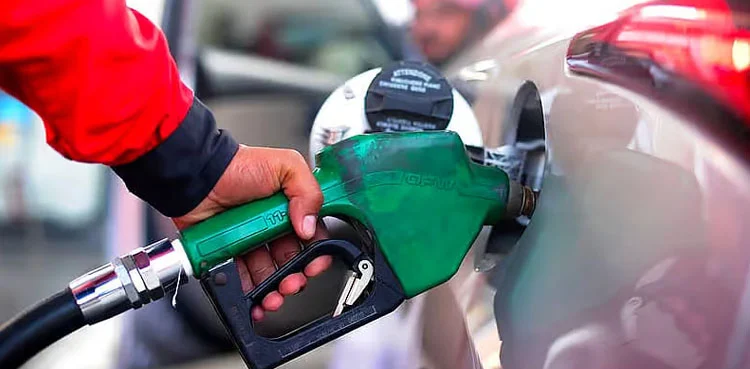
Islamabad — The government is seriously considering imposing a windfall gain tax on oil marketing companies (OMCs) in the upcoming FY2026-27 budget, targeting an estimated Rs72 billion in extraordinary profits these companies made during the recent regional conflict.
How Did OMCs Make These Profits?
According to Beyond Time News, sources in the Ministry of Finance revealed that OMCs earned around Rs130 billion in profits on petroleum products during the period of heightened tensions in the Middle East. The government now wants to recover a significant portion of those gains — roughly Rs72 billion — through a specially designed windfall tax.
The proposed recovery would be made under Section 99D of the Income Tax Ordinance, 2001, which gives the federal government the power to impose an additional windfall tax of up to 50% on unexpected or extraordinary profits earned by companies in specified sectors.
Where Would the Money Go?
Officials say the recovered funds would not go to waste. The Rs72 billion is expected to be channeled toward:
- Petroleum subsidies for consumers
- Relief in electricity tariffs
- Reducing the fiscal deficit
At a time when ordinary citizens are struggling with high energy costs, redirecting windfall profits toward public relief makes both economic and political sense.
Legal and Financial Mechanisms Under Review
According to Beyond Time News, the government is currently examining the legal and financial framework required to implement the windfall gain tax effectively. The aim is to ensure that the recovery process is legally sound and enforceable before the budget is finalized.
PM Forms Budget Committee Under Finance Minister
In a parallel development, Prime Minister Shehbaz Sharif has constituted a high-level committee headed by Federal Minister for Finance and Revenue, Senator Muhammad Aurangzeb, to finalize preparations for the upcoming federal budget.
According to the Ministry of Finance, the committee’s responsibilities include:
- Formulating recommendations on ministries’ performance
- Reviewing development expenditures
- Proposing energy sector reforms
- Reviewing the allocation and utilization of funds generated through the Climate Support Levy
Climate Support Levy Likely to Double
In line with IMF conditions, sources say the Climate Support Levy is likely to be doubled from July 1 — a significant move that will have implications for both government revenue and consumer costs going forward.
Oil Prices Rise as Investors Remain Skeptical Over US-Iran Peace Talks
What Else Is in the Pipeline?
The upcoming budget may also bring some welcome news for the education sector. Sources indicate that enhanced salary structures and incentives for foreign-qualified teaching staff are being considered — a move aimed at attracting and retaining top academic talent in the country.
Additionally, performance reports have been sought from all ministries as part of the government’s ongoing rightsizing initiative — a sign that accountability and efficiency are being placed at the center of budget planning this year.
The Bigger Picture
This windfall tax proposal signals a broader shift in how the government intends to approach budget revenue — looking beyond traditional taxes and targeting sectors that benefited unexpectedly from extraordinary circumstances.
Whether the measure moves forward will depend on the legal framework, political will, and the final recommendations of the newly formed budget committee. But one thing is clear — the government is leaving no stone unturned as it prepares for one of its most consequential budgets in recent years.