With rising global energy uncertainty, Pakistan is under growing pressure to reduce reliance on imported fuels and explore cleaner alternatives like green hydrogen.
Main Content:
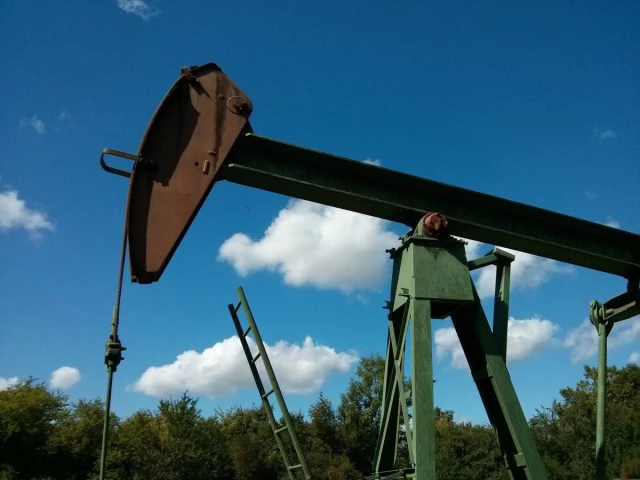
According to Beyond Time News, Pakistan imports around 85% of its oil and a significant share of LNG, making the economy highly vulnerable to global price shocks. Energy imports also account for nearly one-third of the country’s total import bill, straining foreign exchange reserves and widening trade deficits.
While renewable energy from solar, wind, and hydropower has increased, experts say it is not enough on its own to ensure long-term energy security.
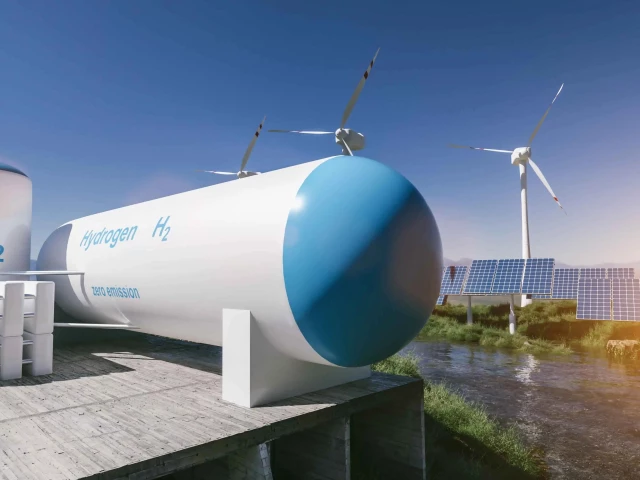
Green hydrogen is being highlighted as a potential solution. Produced using renewable electricity, it can store excess energy and help balance supply during periods of high solar or wind generation, reducing waste and improving grid stability.
Globally, countries such as India are already scaling up green hydrogen projects to support clean energy transition and industrial use. Pakistan, however, remains at an early stage, with progress limited to studies and pilot projects.
Pakistan Plans Strategic Oil Storage to Strengthen Energy Security
Experts stress the need for a clear national strategy to move toward large-scale development and attract investment. Without policy direction, Pakistan may struggle to keep pace with global energy transitions.
Green hydrogen could also help industries reduce emissions and stay competitive as international trade increasingly favors low-carbon production. It may further support carbon credit markets and climate financing opportunities.
Conclusion:
Although green hydrogen requires major investment, experts believe it can play an important role in reducing import dependence, improving energy stability, and strengthening Pakistan’s long-term economic outlook.