Karachi: Pakistan’s inflation rate is expected to climb again in May 2026, with analysts projecting headline inflation to reach 12.2% year-on-year as rising fuel and food costs continue to outweigh limited relief from lower electricity tariffs.
According to Beyond Time News, pressure from transport and essential food items remains the key driver behind the expected increase in consumer prices.
Monthly Inflation Expected to Increase by 1%
Research by Optimus Capital Management estimates that the National Consumer Price Index (NCPI) will rise by around 1% month-on-month.
At the same time, core inflation is projected to remain elevated at 8.4% year-on-year, showing that underlying price pressures are still persistent in the economy.
As a result, overall inflation trends continue to signal economic strain for households.
Transport Costs Drive Major Price Increase
One of the biggest contributors to inflation is the transport sector.
Analysts expect the transport index to surge by nearly 6.9% in May, mainly due to an estimated 9.5% increase in domestic fuel prices.
Although global oil prices have slightly eased, local fuel rates remain high because of import premiums and adjustments in transportation costs.
Consequently, energy inflation is projected to remain extremely high at around 39% year-on-year.
Food Prices Continue to Rise
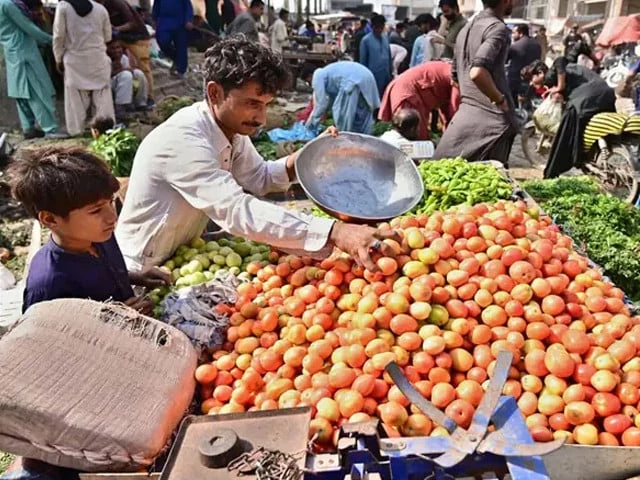
Food inflation is also expected to accelerate after months of partial relief.
According to Beyond Time News, food prices may increase by 1.5% month-on-month and nearly 9% year-on-year.
Wheat and wheat flour prices are projected to rise by around 7%, while dairy products such as milk may increase by nearly 2.7%.
Moreover, higher transportation costs, fertiliser prices, and procurement challenges are adding further pressure to food supply chains.
Limited Relief from Electricity Prices
Despite rising inflation in other sectors, the housing index may provide some temporary relief.
Analysts expect a 1.2% monthly decline in housing-related costs, mainly driven by lower electricity tariffs.
However, this reduction is not expected to significantly offset the broader increase in transport and food inflation.
SBP Policy Outlook Remains Tight
Economic experts suggest that inflation trends may influence future monetary policy decisions.
Recent auction yields indicate that markets expect continued inflationary pressure and possible tightening by the State Bank of Pakistan.
As a result, analysts anticipate that the State Bank of Pakistan may consider further interest rate adjustments of 50 to 100 basis points in the coming months.
Read more:Inflation Hits Two-Year High at 10.9%
Risks Remain Elevated
Analysts warn that inflation risks remain high due to several global and domestic factors.
These include geopolitical uncertainty, fluctuating energy prices, adverse weather conditions, and rising logistics costs.
In addition, changes in trade flows and input costs such as fertiliser may further push prices upward in the coming months.
Outlook Remains Uncertain
While some temporary relief exists in select sectors, the overall inflation outlook remains uncertain.
Fuel prices are expected to stay elevated, and food inflation may continue rising if supply chain pressures persist.
According to Beyond Time News, policymakers will need to closely monitor both global developments and domestic fiscal conditions to manage inflation effectively.
FAQs
What is Pakistan’s expected inflation rate for May 2026?
Inflation is projected to reach 12.2% year-on-year.
What is driving inflation in Pakistan?
Higher fuel prices and rising food costs are the main factors.
Will electricity prices help reduce inflation?
Yes, but only slightly, as housing costs may see a small decline.
Is the central bank expected to act?
Yes, the State Bank of Pakistan may consider further interest rate hikes.
Which foods are becoming more expensive?
Wheat, flour, and dairy products are expected to see price increases.
#PakistanInflation #EconomyNews #Inflation2026 #SBP #FoodPrices #FuelPrices #KarachiNews #BeyondTimeNews