Islamabad: Iran Rules Out Missile Compromise, Credits Pakistan for Supporting Diplomatic Efforts
Iranian President Masoud Pezeshkian has firmly ruled out any negotiations over Iran’s ballistic missile programme during his official visit to Pakistan, while also praising Islamabad for its role in supporting diplomatic engagement aimed at reducing regional tensions.
Speaking alongside Prime Minister Shehbaz Sharif in Islamabad, Pezeshkian emphasized that Iran’s missile capabilities remain a core component of the country’s national defense strategy and would not be included in any future agreement with foreign powers. According to Beyond Time News, the Iranian president also highlighted Pakistan’s contribution to facilitating dialogue and encouraging regional stability during a period marked by heightened geopolitical uncertainty.
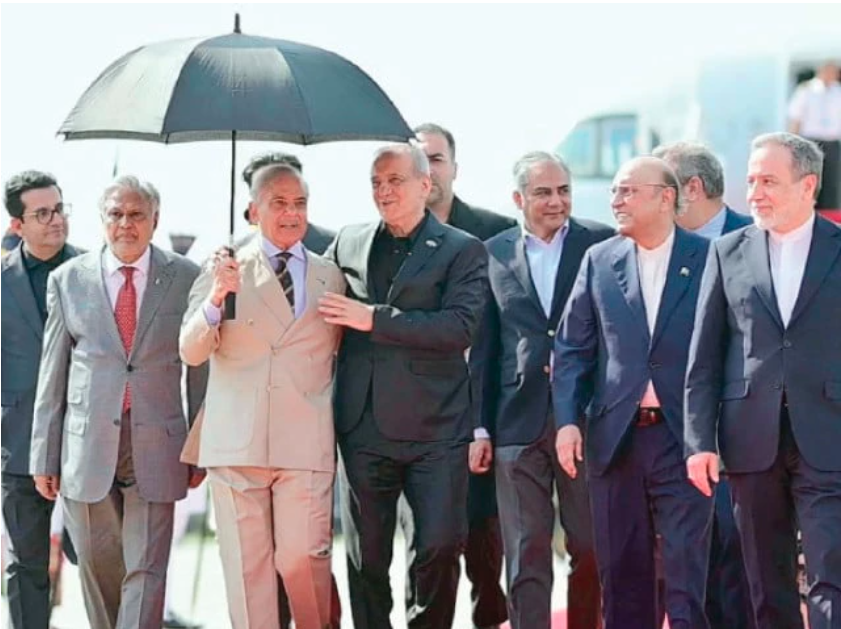
The visit marked Pezeshkian’s first foreign trip since the recent conflict that increased tensions across the Middle East. Pakistan extended a high-level state welcome, reflecting the importance both countries place on their long-standing relationship.
Iran Draws a Clear Line on Missile Capabilities
One of the central messages from the visit was Tehran’s refusal to discuss its ballistic missile programme in ongoing diplomatic efforts.
President Pezeshkian stated that Iran considers its missile system essential for national security and deterrence. He argued that the country’s defensive capabilities have played a critical role in protecting its sovereignty and preventing external threats.
Prime Minister Shehbaz Sharif also dismissed reports suggesting that ballistic missiles were part of discussions between Iran and the United States. He maintained that the issue was never included in negotiations and was absent from the framework currently under discussion.
The statements appear designed to clarify speculation surrounding diplomatic contacts involving Tehran and Washington and to reassure domestic audiences that Iran’s defense policies remain unchanged.
Pakistan’s Role in Regional Diplomacy Highlighted
During the joint media interaction, President Pezeshkian expressed appreciation for Pakistan’s efforts to support diplomatic engagement and de-escalation.
According to Beyond Time News, the Iranian leader credited Pakistan’s political leadership with helping create conditions that encouraged dialogue during a difficult period. He described Islamabad’s approach as constructive and focused on regional peace.
Pakistan has increasingly sought to position itself as a bridge between regional actors amid growing instability in parts of the Middle East and South Asia. Officials in Islamabad have repeatedly emphasized diplomacy, dialogue, and conflict prevention as key pillars of foreign policy.
Prime Minister Shehbaz reaffirmed Pakistan’s commitment to supporting peaceful solutions to regional disputes and said both countries shared a common interest in stability and economic development.
Strengthening Pakistan-Iran Relations
Beyond security and diplomatic discussions, the visit also focused on strengthening bilateral relations.
Iran and Pakistan share a border stretching roughly 900 kilometers and maintain cooperation in several areas, including trade, border management, energy, and regional connectivity.
President Pezeshkian described Pakistan as more than a neighboring country, pointing to historical, cultural, and religious ties that connect the two nations. Pakistani leaders echoed similar sentiments, emphasizing mutual respect and shared interests.
Meetings held during the visit included discussions with President Asif Ali Zardari and senior military leadership. Talks covered regional security, economic cooperation, infrastructure development, and opportunities to improve cross-border connectivity.
Both sides expressed support for expanding collaboration in areas that could contribute to long-term regional prosperity.
Background: Why the Missile Issue Matters
Iran’s ballistic missile programme has remained one of the most debated issues in international diplomacy for years.
Western governments have frequently raised concerns about Iran’s missile development activities, arguing that they affect regional security calculations. Tehran, however, consistently maintains that its missile programme is defensive in nature and necessary for national protection.
Unlike nuclear-related discussions, Iran has traditionally resisted attempts to include missile restrictions in broader diplomatic agreements. Iranian officials argue that defensive capabilities are a sovereign matter and should not be subject to foreign negotiation.
The latest statements from President Pezeshkian reinforce a position that has been maintained by successive Iranian administrations.
Why This Development Matters
The public messaging from both Islamabad and Tehran carries broader regional significance.
First, it signals continued cooperation between Pakistan and Iran at a time when regional security dynamics remain fragile.
Second, it suggests that diplomatic engagement involving Iran may continue despite disagreements over sensitive defense issues.
Third, Pakistan’s emerging role as a facilitator of dialogue could strengthen its diplomatic influence beyond South Asia and contribute to efforts aimed at preventing wider regional confrontation.
For investors, policymakers, and regional observers, stability between neighboring countries often creates more favorable conditions for trade, infrastructure projects, and economic growth.
Iran Rejects Talks Under Pressure as President Pezeshkian
Possible Implications for the Region
Several outcomes could emerge from the discussions held in Islamabad.
Continued Diplomatic Engagement
The positive tone of the visit may encourage further communication between regional stakeholders seeking to reduce tensions through dialogue.
Greater Pakistan-Iran Cooperation
Both countries may pursue additional agreements related to trade, border security, transportation links, and energy cooperation.
Ongoing Debate Over Iran’s Defense Policies
Although diplomatic channels remain active, Iran’s firm position on missile capabilities indicates that defense-related disagreements with Western powers are likely to remain unresolved.
Focus on Regional Stability
Leaders from both countries stressed the importance of preventing escalation and promoting peaceful solutions, a message that could influence future diplomatic initiatives across the region.
Conclusion
President Masoud Pezeshkian’s visit to Islamabad underscored the growing importance of Pakistan-Iran relations and highlighted Islamabad’s role in supporting diplomatic efforts during a tense period for the region. While both countries expressed optimism about future cooperation and peace initiatives, Tehran delivered a clear message that its ballistic missile programme remains off-limits in negotiations.
The visit reflects a broader push for dialogue and regional stability, even as major security and strategic issues continue to shape the Middle East’s diplomatic landscape.
Frequently Asked Questions
Why did Iranian President Masoud Pezeshkian visit Pakistan?
President Pezeshkian visited Pakistan to hold discussions on bilateral relations, regional security, economic cooperation, and diplomatic efforts aimed at reducing tensions in the region.
Did Iran agree to discuss its missile programme in negotiations?
No. Iranian officials stated that the ballistic missile programme was not part of any memorandum or negotiation framework and remains non-negotiable.
What role did Pakistan play in diplomatic efforts involving Iran?
According to Beyond Time News, Pakistan supported dialogue and de-escalation efforts and was recognized by Iranian leaders for encouraging diplomatic engagement.
Why is Iran’s missile programme important to Tehran?
Iran considers its missile capabilities a key element of national defense and deterrence, arguing that they are necessary to protect the country’s sovereignty and security.
What areas of cooperation did Pakistan and Iran discuss?
The two countries discussed regional peace, economic cooperation, trade, connectivity projects, border management, and strengthening bilateral relations.
Hashtags
#IranPakistanRelations
#MasoudPezeshkian
#PakistanDiplomacy
#MiddleEastPolitics
#RegionalStability
#IranMissileProgram
#IslamabadNews
#SouthAsiaPolitics
#PeaceTalks
#ForeignPolicyNews