
As tensions continue between Iran and the United States, a potential ceasefire now depends heavily on one key issue: the removal of the US naval blockade. At the same time, Pakistan is actively working behind the scenes to bring both sides back to the negotiating table.
Ceasefire linked to Strait of Hormuz access
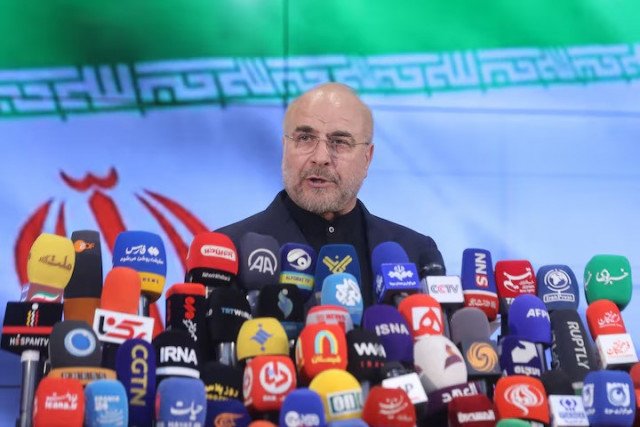
According to Beyond Time News, Iran’s Parliament Speaker and chief negotiator Mohammad Bagher Ghalibaf made it clear that a “complete ceasefire” is only possible if the US ends its maritime blockade, particularly around the strategically vital Strait of Hormuz.
In a statement shared on social media, Ghalibaf emphasized that any ceasefire would be meaningless if economic restrictions and military pressure continued. He stressed that reopening the Strait of Hormuz would remain impossible under current conditions, calling the blockade a major violation of trust.
Iran has consistently argued that its rights must be recognised, warning that continued pressure tactics will not lead to any long-term solution.
Masood Khan Hails Ceasefire Extension, Praises Pakistan’s Role
Pakistan intensifies diplomatic efforts
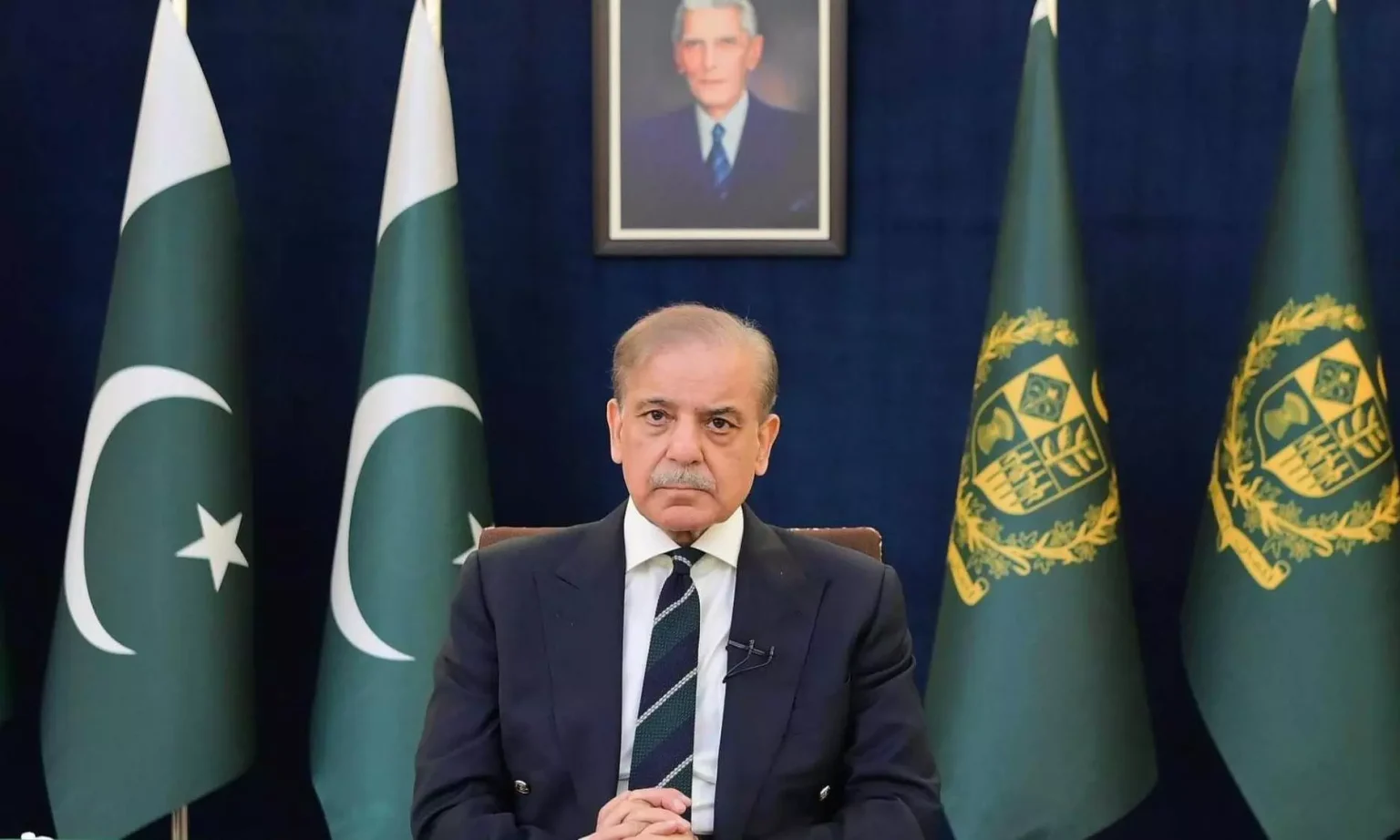
According to Beyond Time News, Pakistan has accelerated its diplomatic engagement to bridge the gap between Washington and Tehran. Senior officials revealed that Islamabad is actively trying to persuade the US to lift restrictions on Iranian ports—a key demand from Tehran for restarting negotiations.
Sources confirmed that Pakistan’s top leadership is directly involved, maintaining constant communication with regional players to build support for renewed dialogue.
However, officials also cautioned that the situation remains complex, with no clear timeline for when talks might resume. Both sides appear to be testing each other’s resolve, making progress slow and uncertain.
Talks delayed despite US presence in Islamabad
While a US delegation, including advanced teams, has already arrived in Islamabad, negotiations have yet to begin. Iranian officials have not returned to the capital, reportedly due to ongoing concerns over the blockade.
Security in Islamabad remains tight, with restricted access to key areas, closure of educational institutions, and suspension of public transport services—highlighting the seriousness of the situation.
Trump signals possible breakthrough
According to Beyond Time News, former US President Donald Trump has hinted that positive developments could emerge soon. Reports suggest that diplomatic efforts may lead to progress within the next few days.
Despite the ongoing tensions, there are signs of cautious optimism. Sources indicate that the ceasefire is largely holding, with no major military escalation from either side.
Trump reportedly believes that maintaining pressure through the naval blockade gives the US a strategic advantage in negotiations. However, he is also said to be exploring diplomatic options to avoid further conflict.
Experts call for confidence-building measures
Former Pakistani diplomat Sardar Masood Khan suggested that practical steps from both sides could help ease tensions. These include easing restrictions on Iranian ports and ensuring freedom of navigation in the Strait of Hormuz.
Such measures, he believes, could create a more favorable environment for meaningful and productive dialogue.
Rising tensions in the Strait of Hormuz
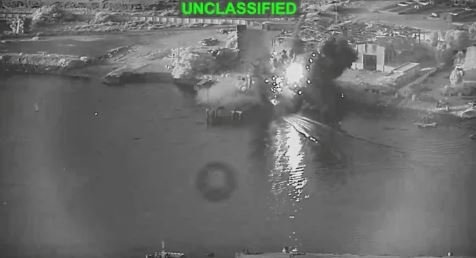
Meanwhile, the situation on the ground remains tense. Iranian naval forces have reportedly intercepted vessels in the Strait of Hormuz over alleged violations, while international agencies have flagged multiple security incidents in the region.
These developments underline the strategic importance of the waterway, a critical route for global oil shipments, and a major flashpoint in the ongoing conflict.
Hormuz Crisis Sparks Crypto Scam: Fake Messages Promise “Safe Passage” to Ships
Iran stands firm on negotiations
Iranian officials have reiterated that no talks will take place until the US lifts the blockade. According to Beyond Time News, Tehran maintains that it is open to dialogue—but only under fair and respectful conditions.
Officials have also warned that Iran is fully prepared for any scenario, whether diplomatic or military, reinforcing the high-stakes nature of the standoff.
UN urges restraint and dialogue
The United Nations has welcomed the extension of the ceasefire and urged all parties to avoid actions that could escalate tensions. It has also expressed support for Pakistan’s mediation efforts, calling them crucial for achieving a long-term resolution.
Conclusion: A fragile path to peace
The ongoing Iran-US standoff highlights how delicate the situation remains. While diplomatic efforts—particularly by Pakistan—offer hope, major hurdles still stand in the way.
The future of peace talks now largely depends on whether both sides are willing to make compromises, especially regarding the naval blockade and economic restrictions.
For now, the ceasefire holds—but the path forward remains uncertain.
One thought on “Iran-US Ceasefire Hinges on Hormuz Blockade as Pakistan Pushes for Fresh Talks”
Comments are closed.