
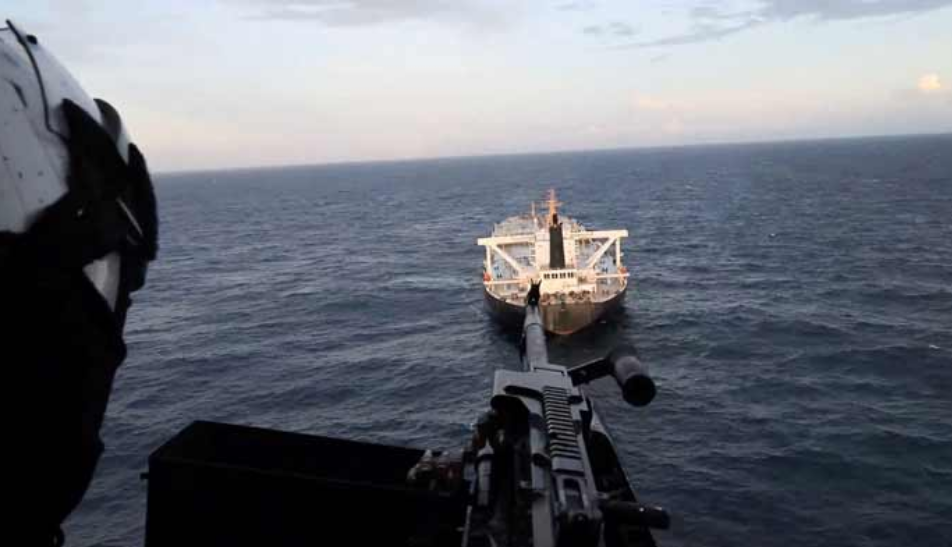
- Oil shipments resume after weeks of disruption, signaling cautious optimism ahead of high-stakes diplomacy in Switzerland
Strait of Hormuz: Iranian oil shipments have reportedly resumed movement through the Strait of Hormuz after weeks of disruption, coinciding with growing diplomatic activity ahead of planned US–Iran nuclear talks in Switzerland. The development has triggered fresh attention in global energy markets, where crude prices eased on expectations of improved supply conditions.
According to Beyond Time News, three Iranian oil tankers carrying millions of barrels of crude have exited a closely monitored maritime zone in the strategic waterway, marking the first noticeable recovery in export activity in nearly two months.
The timing is significant, coming just days before high-level negotiations aimed at reviving a diplomatic framework over Iran’s nuclear programme and easing long-standing sanctions pressure.
Oil Shipments Resume in Key Global Energy Chokepoint
Maritime tracking data referenced by Beyond Time News suggests that two large tankers operated by Iran’s National Iranian Tanker Company (NITC) departed the region first, followed by a third vessel shortly after.
Combined, the shipments are estimated to carry several million barrels of crude oil. Satellite monitoring systems reportedly confirmed the movement through and beyond the surveillance-heavy zone of the Strait of Hormuz.
The strait itself remains one of the most sensitive maritime corridors in the world, with nearly a fifth of global oil trade passing through it. Any disruption—or even the expectation of disruption—can rapidly affect global energy prices.
The apparent easing of restrictions or operational movement has therefore been interpreted by analysts as a signal of reduced immediate risk in the region.
Global Oil Prices React to Supply Outlook
International oil markets responded quickly to the developments.
Benchmark crude prices, including Brent and West Texas Intermediate (WTI), declined as traders factored in the possibility of increased Iranian supply returning to global markets.
Market analysts say the movement reflects two overlapping expectations: improved diplomatic engagement between Washington and Tehran, and reduced risk of escalation in the Gulf region.
Even small changes in Iranian export volumes can influence pricing due to the country’s historically significant role in global crude supply chains.
According to Beyond Time News, traders are now closely monitoring whether the current diplomatic momentum will hold or face renewed setbacks.
Switzerland Talks Set Stage for Diplomatic Test
Diplomatic negotiations between the United States and Iran are scheduled to begin later this week at the Burgenstock resort in Switzerland, in what is being viewed as one of the most important contact points between the two countries in recent years.
Discussions are expected to focus on several core issues:
- Restrictions on Iran’s nuclear enrichment activities
- Potential easing of international sanctions
- Monitoring and verification mechanisms
- Regional security stability in the Middle East
According to Beyond Time News, early discussions are expected to outline a possible framework that could allow limited Iranian exports under strict conditions if progress is made.
The choice of Switzerland as the venue reflects continued reliance on neutral ground for sensitive diplomatic engagement.
Nuclear Programme Remains the Core Sticking Point
At the center of negotiations remains the long-running dispute over Iran’s nuclear programme.
Western governments continue to demand strict limitations on uranium enrichment levels and expanded international inspection access. Iran, meanwhile, insists its nuclear activities are strictly for civilian energy production and that it retains sovereign rights under international law.
Iranian Foreign Minister Abbas Araghchi has previously warned that past agreements have failed due to lack of reliable guarantees, underscoring Tehran’s cautious approach to any new deal.
According to Beyond Time News, both sides are entering talks with limited trust but increasing pressure to prevent further escalation.
Iran-US Draft Peace Deal Emerges as Strait of Hormuz Crisis Raises Stakes for Global Markets
Washington Faces Domestic Political Pressure
While diplomacy advances externally, political divisions in Washington remain a major factor.
Several US lawmakers have requested detailed briefings on the emerging framework, with concerns focused on verification standards, sanctions relief conditions, and long-term enforcement mechanisms.
Senate leadership has emphasized that any agreement will require thorough review, particularly given the collapse of previous nuclear arrangements in past years.
Observers note that domestic political approval in the United States could ultimately determine whether any agreement is sustainable or short-lived.
Regional Instability Adds Uncertainty
Adding complexity to the diplomatic landscape is renewed violence in Lebanon, where tensions between Israeli forces and Hezbollah-linked groups have escalated.
Military activity in southern Lebanon has led to casualties and heightened fears of broader regional spillover. Iranian military officials have warned of possible retaliation, further raising tensions.
Security analysts caution that such developments could weaken diplomatic momentum between Washington and Tehran, particularly if escalation continues during negotiations.
According to Beyond Time News, regional instability remains one of the most serious risks to any potential agreement.
Strait of Hormuz Remains a Global Pressure Point
The Strait of Hormuz continues to play a critical role in global energy security. Situated between Iran and the Arabian Peninsula, it serves as a key transit route for oil exports from several major producers.
Because of its narrow geography and strategic importance, even minor disruptions can have immediate effects on global oil prices and shipping insurance costs.
Iran’s geographic control over part of the strait gives it continued leverage in global energy and geopolitical discussions, making developments in the region closely watched by markets and governments alike.
Outlook: Fragile Momentum Ahead of Talks
As negotiations approach in Switzerland, global attention remains focused on whether recent diplomatic signals and resumed tanker movements represent a genuine shift or a temporary adjustment.
Oil markets are currently pricing in cautious optimism, while political and security risks remain firmly present.
According to Beyond Time News, the coming days will be decisive in determining whether the US and Iran can translate renewed engagement into a structured diplomatic framework—or whether talks once again stall under pressure from unresolved nuclear and regional disputes.
FAQs
Why are Iranian oil tankers leaving the Strait of Hormuz important?
They suggest a possible resumption of Iranian oil exports after restrictions, signaling easing tensions ahead of US–Iran talks.
Where will the US–Iran talks take place?
Negotiations are scheduled at the Burgenstock resort in Switzerland.
Why are oil prices falling?
Prices dropped due to expectations of increased supply from Iran and reduced risk in the Strait of Hormuz.
What is the main issue in the negotiations?
The central dispute is Iran’s nuclear programme and how it will be monitored and restricted.
Could regional conflicts affect the talks?
Yes. Escalating violence in Lebanon is seen as a major risk to diplomatic progress.
SEO Hashtags
#Iran #USTalks #StraitOfHormuz #OilPrices #BrentCrude #WTI #MiddleEast #IranNuclearDeal #Geopolitics #GlobalEnergy #SwitzerlandTalks #WorldNews