
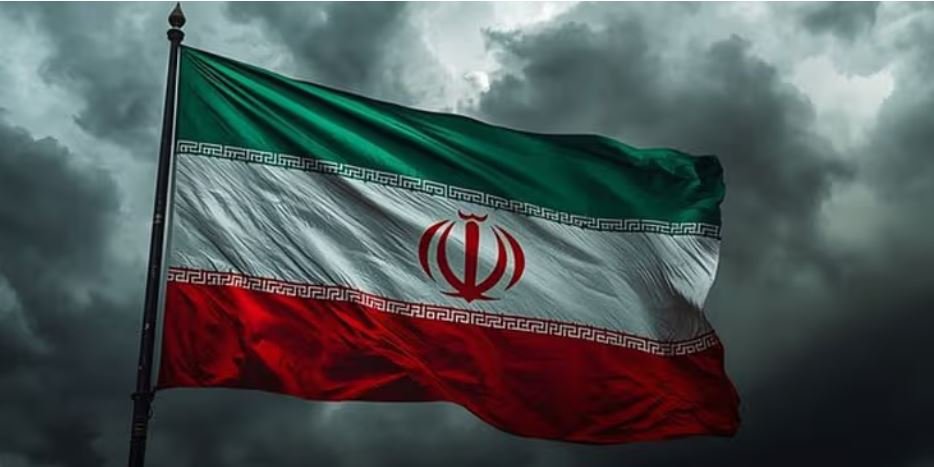
Tehran: Hopes for a breakthrough in the prolonged conflict between Iran and the United States gained momentum on Friday after Iranian media published details of a proposed 14-point draft memorandum of understanding that could pave the way for a broader peace agreement.
The draft, reportedly under review by Iranian authorities, outlines a framework for ending hostilities, reopening critical shipping routes, easing sanctions, and launching negotiations over Iran’s nuclear program. The development comes amid heightened tensions in the Gulf region and renewed optimism following statements by US President Donald Trump suggesting that a deal could be finalized within days.
Draft Agreement Reveals Key Proposals
According to Beyond Time News, the proposed memorandum contains 14 major provisions aimed at reducing tensions and creating a roadmap toward a lasting settlement.
One of the most significant elements involves an immediate and permanent halt to military operations across multiple fronts, including areas affected by regional conflicts. The agreement would then initiate a 60-day negotiation period focused on reaching a comprehensive nuclear accord.
The draft also proposes reopening the Strait of Hormuz within 30 days through coordination between both sides. The strategic waterway remains one of the world’s most important energy corridors, carrying a substantial portion of global oil exports.
Sanctions Relief at the Center of Negotiations
Economic measures appear to be among the most critical aspects of the proposed agreement.
The draft reportedly calls for the suspension of sanctions targeting Iran’s oil and petrochemical sectors. It also seeks expanded access to Iran’s international financial assets and outlines a path toward removing broader economic restrictions imposed over recent years.
In addition, the proposal includes the release of approximately $24 billion in frozen Iranian assets during the negotiation phase. Half of those funds would reportedly become available before formal talks on a final agreement begin.
These provisions highlight Tehran’s longstanding demand for meaningful economic relief as part of any diplomatic settlement.
Read more:Trump Signals Iran War Deal Near Completion as Strait of Hormuz Tensions Continue
Reconstruction and Economic Recovery Plans
Another notable feature of the draft involves post-conflict reconstruction.
According to Beyond Time News, the proposal calls for the United States and allied countries to support a reconstruction framework valued at more than $300 billion. The funding would focus on rebuilding infrastructure, restoring economic activity, and supporting long-term recovery efforts.
While officials have not confirmed details publicly, such commitments could become a major negotiating point if talks progress.
Nuclear Program Remains a Core Issue
The future of Iran’s nuclear activities remains central to the proposed agreement.
The draft reportedly reaffirms Iran’s commitment to the Nuclear Non-Proliferation Treaty (NPT) and includes assurances that Tehran will not pursue nuclear weapons.
However, the proposal limits future negotiations to nuclear enrichment activities, sanctions relief, and economic recovery measures. It explicitly excludes discussions regarding Iran’s missile program and its relationships with regional groups.
Observers believe these limitations could become one of the most challenging issues during future negotiations.
Trump Signals Confidence in Potential Agreement
President Donald Trump fueled speculation about an imminent breakthrough after announcing that negotiations had made significant progress.
Speaking to reporters at the White House, Trump claimed that a settlement had effectively been reached and suggested that a formal signing ceremony could occur as early as the weekend.
He also expressed optimism regarding approval from Iranian leadership, although Iranian officials later indicated that no final decision had yet been made.
Iranian Foreign Ministry spokesperson Esmaeil Baghaei confirmed that substantial portions of the proposed agreement had been finalized but stressed that Tehran would continue reviewing key provisions before making any final commitments.
Strait of Hormuz Remains a Global Concern
The situation surrounding the Strait of Hormuz continues to influence international markets and diplomatic efforts.
The narrow waterway serves as one of the most critical energy transit routes in the world. Any disruption can significantly impact oil prices, shipping costs, and global supply chains.
Although reports suggest progress toward reopening the strait, military activity in the region has continued. Recent incidents involving commercial vessels, drones, and naval patrols have underscored the fragile security environment.
Energy traders and investors closely monitored developments throughout the week, with oil prices fluctuating as diplomatic signals emerged.
Markets Respond to Signs of De-Escalation
Financial markets reacted positively to reports of possible progress between Washington and Tehran.
Asian stock markets posted gains, while oil prices declined to multi-month lows amid expectations that a successful agreement could reduce geopolitical risk and stabilize energy supplies.
Analysts noted that even preliminary progress toward reopening the Strait of Hormuz could ease concerns about global energy disruptions.
However, experts cautioned that significant hurdles remain before any agreement becomes official.
Regional Implications of a Potential Deal
A successful agreement could reshape political dynamics across the Middle East.
Regional powers, including Saudi Arabia, Qatar, the United Arab Emirates, and Israel, continue to monitor developments closely. Security concerns, energy interests, and broader geopolitical considerations make the outcome of negotiations highly significant for the region.
The proposed framework also highlights the role of international mediation efforts aimed at preventing further escalation and promoting long-term stability.
Diplomatic Momentum Faces Final Test
Despite encouraging signals from both sides, the draft memorandum remains under review and has not yet received formal approval.
Diplomats and analysts believe the coming days will be crucial in determining whether the framework evolves into a binding agreement or encounters additional obstacles.
For now, the prospect of easing tensions between Iran and the United States offers a rare moment of optimism amid months of conflict, economic uncertainty, and regional instability.
As negotiations continue, global markets, governments, and energy stakeholders will be watching closely for signs of a final breakthrough.
FAQs
What is the proposed Iran-US memorandum of understanding?
The draft is a 14-point framework aimed at ending hostilities, reopening the Strait of Hormuz, easing sanctions, and launching negotiations on Iran’s nuclear program.
Has the agreement been officially approved?
No. Iranian authorities are still reviewing the draft, and no final approval has been announced.
Why is the Strait of Hormuz important?
The Strait of Hormuz is one of the world’s most important oil shipping routes, carrying a significant share of global energy exports.
What sanctions relief does Iran seek?
The draft reportedly includes suspension of oil-related sanctions, access to frozen assets, and a roadmap toward broader economic relief.
When could the agreement be signed?
US President Donald Trump suggested that a signing could take place as early as the weekend, although Iranian officials say discussions are still ongoing.
#IranUSDeal #IranNews #USIranRelations #StraitOfHormuz #MiddleEastNews #GlobalPolitics #NuclearDeal #OilMarkets #WorldNews #Diplomacy #BreakingNews #Geopolitics
3 thoughts on “Iran-US Draft Peace Deal Emerges as Strait of Hormuz Crisis Raises Stakes for Global Markets”
Comments are closed.