Washington: US President Donald Trump has suggested that a major agreement with Iran could be signed within days, raising hopes of a possible breakthrough in the three-month-long conflict even as tensions remain high in the Strait of Hormuz.
The potential deal, if finalized, would mark the most significant diplomatic development since fighting escalated earlier this year, disrupting global energy markets and triggering repeated military exchanges between the two sides.
According to Beyond Time News, the announcement comes amid continued uncertainty on the ground, with both Washington and Tehran maintaining cautious and at times conflicting positions on the status of negotiations.
Trump Says Agreement Could Be Signed Soon
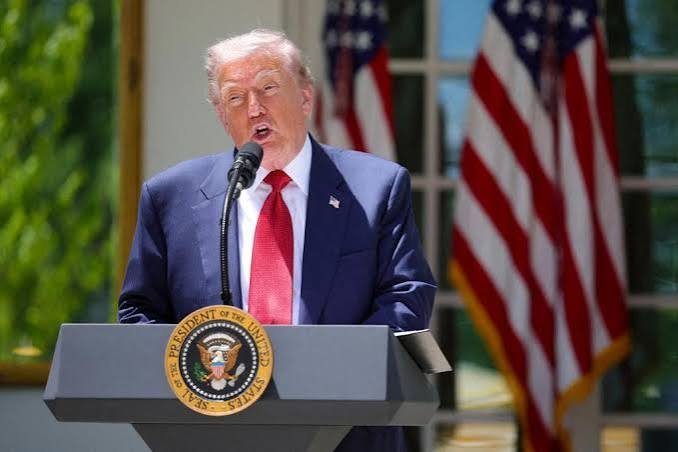
Speaking to reporters at the White House, President Trump said the United States and Iran had reached what he described as a “great settlement” and suggested that a signing ceremony could take place as early as this weekend in Europe.
He indicated that Vice President JD Vance may attend the event, adding that preparations were underway for a possible agreement.
Trump also claimed that the Strait of Hormuz would reopen once the deal is signed, signaling what he described as a major step toward restoring stability in global shipping routes.
However, he did not provide detailed confirmation of the agreement’s final terms.
Iran Signals Caution Over Final Decision
Despite Washington’s optimism, Iranian officials struck a more cautious tone.
Foreign Ministry spokesperson Esmaeil Baghaei said that while significant portions of a draft agreement had been finalized, Tehran had not yet reached a final decision.
He emphasized that discussions were still under review by Iran’s top decision-making bodies and that no formal conclusion had been made.
According to Beyond Time News, Iran has maintained that any agreement must respect its core conditions, including its position on sanctions relief and nuclear-related assurances.
Reports of Preparations for Signing Ceremony
International media reports suggest that logistical preparations are already underway for a possible signing event in Geneva.
Four US Air Force C-17 aircraft reportedly flew to Europe carrying equipment linked to a potential visit by Vice President JD Vance, indicating that Washington is preparing for multiple outcomes depending on the progress of talks.
The proposed agreement is believed to include a 60-day extension of the current ceasefire, along with broader negotiations on Iran’s nuclear program and regional security concerns.
Key Elements of Proposed Framework
According to diplomatic sources cited in reports, the draft agreement under discussion includes several major provisions:
- Immediate reopening of the Strait of Hormuz without transit fees
- Restoration of shipping traffic to pre-conflict levels within 30 days
- Iran’s commitment not to pursue nuclear weapons
- Gradual sanctions relief tied to compliance
- Temporary permissions for limited Iranian oil exports
Further negotiations would reportedly be required to finalize detailed arrangements on nuclear oversight and verification mechanisms.
Ongoing Tensions in the Strait of Hormuz
Despite diplomatic progress, the situation in the Gulf remains unstable.
US officials said American forces intercepted Iranian drones targeting commercial vessels near the Strait of Hormuz. Iranian state media, meanwhile, reported disruptions involving tanker movements and explosions in the region.
The Strait remains one of the world’s most critical energy corridors, and continued instability has already contributed to fluctuations in global oil prices.
According to Beyond Time News, maritime security remains a central concern even as political negotiations advance.
Read more:Trump Signals Potential Move Against Iran’s Oil Infrastructure as US-Iran Tensions Escalate
Global Markets React to Peace Hopes
Financial markets responded positively to signs of a potential breakthrough.
Asian stock markets rose, while global oil prices declined to their lowest levels in two months amid expectations of reduced supply disruption risk.
Analysts said investor sentiment improved due to hopes that a formal agreement could stabilize energy flows and reduce geopolitical uncertainty.
However, traders remain cautious, noting that previous diplomatic efforts have stalled at advanced stages.
Political and Strategic Implications
The conflict has created political pressure within the United States, particularly due to rising fuel prices and concerns among voters.
Some analysts suggest that Trump’s push for a rapid agreement is partly driven by domestic economic considerations, while also balancing internal political pressures within his party.
Regional responses are also expected to play a significant role. Reports indicate that Israel, Saudi Arabia, Qatar, and the United Arab Emirates have been briefed on the framework, although Israel has clarified it is not a formal party to the agreement.
Iran’s Core Demands Remain Unresolved
Tehran continues to push for key concessions, including sanctions relief, access to frozen financial assets, and recognition of its maritime position in the Strait of Hormuz.
Iran has also demanded an end to military strikes linked to Israel in regional conflicts, particularly in Lebanon, where tensions involving Hezbollah continue.
According to Beyond Time News, these unresolved issues remain central to whether a final agreement can be reached.
Uncertain Path Ahead
While both sides appear closer to an agreement than at any point in recent months, significant gaps remain in final approval and implementation mechanisms.
Analysts caution that previous rounds of negotiations have collapsed despite similar optimism, and the current situation remains fluid.
For now, the world watches closely as Washington and Tehran edge toward what could be a landmark diplomatic deal—or another stalled attempt at ending a prolonged and volatile conflict.
Frequently Asked Questions
Is a US-Iran peace deal confirmed?
No. While President Trump says an agreement is close, Iran has stated that no final decision has been made.
What is included in the proposed deal?
Reports suggest it includes reopening the Strait of Hormuz, sanctions relief, and limits on Iran’s nuclear program.
Why is the Strait of Hormuz important?
It is a key global shipping route for oil and energy exports, making it critical to global markets.
Has the conflict ended?
No. Despite talks, tensions and military incidents in the region are still ongoing.
When could the agreement be signed?
If finalized, reports suggest it could be signed within days, possibly in Europe.
#IranUS #Trump #StraitOfHormuz #MiddleEast #WorldNews #Diplomacy #OilMarkets #Geopolitics #BreakingNews #GlobalEconomy #PeaceTalks