
WASHINGTON/UNITED NATIONS: Rising tensions between the United States and Iran have triggered fresh concerns across the Middle East, with US President Donald Trump signaling the possibility of future action against Iran’s key oil infrastructure while diplomatic efforts continue to prevent a wider regional conflict.
According to Beyond Time News, the latest developments come amid renewed military exchanges between Washington and Tehran, increasing fears of further instability in an already volatile region.
Trump Hints at Future Action on Iranian Oil Facilities
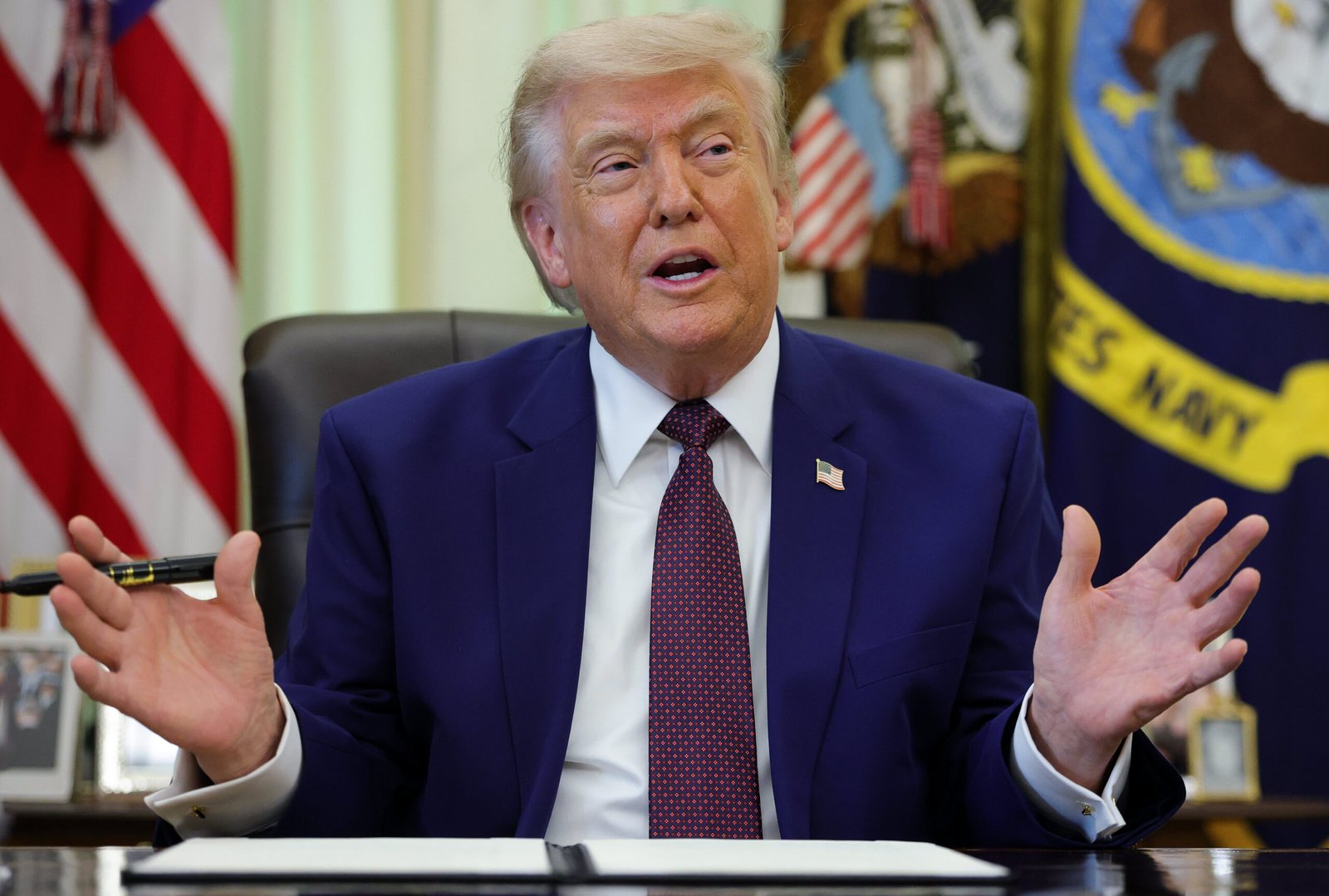
In a statement posted on his Truth Social platform, President Trump suggested that the United States could eventually move to take control of strategic Iranian oil assets, including Kharg Island, one of Iran’s most important oil export terminals.
Trump argued that controlling critical energy infrastructure could significantly impact Iran’s oil and gas sector. He also claimed that similar US involvement in Venezuela had produced positive results, though he did not provide details to support the comparison.
The remarks marked one of the strongest signals yet from the White House regarding potential future pressure on Iran’s energy industry, which remains a vital source of revenue for Tehran.
US and Iran Exchange Fresh Threats
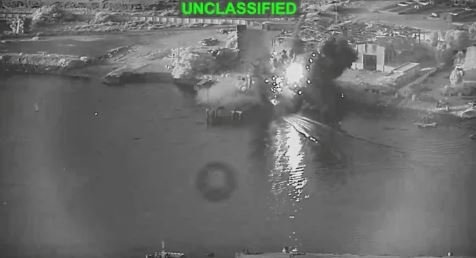
The comments came as military tensions intensified between the two countries. According to Beyond Time News, the United States launched strikes on multiple targets inside Iran, describing the operation as a defensive response to earlier incidents involving American military assets in the region.
US Central Command stated that American forces targeted military surveillance systems, communication networks, and air defense positions. Washington maintained that the strikes were necessary to protect US personnel and interests.
Meanwhile, Iranian officials strongly condemned the attacks and accused the United States of violating international law and Iran’s sovereignty.
Iran’s Foreign Ministry said the latest military action had effectively undermined previous efforts aimed at reducing tensions and warned that Tehran reserved the right to defend itself.
Pakistan Continues Diplomatic Efforts
Amid the growing crisis, Pakistan reiterated its commitment to supporting dialogue and mediation efforts between the United States and Iran.
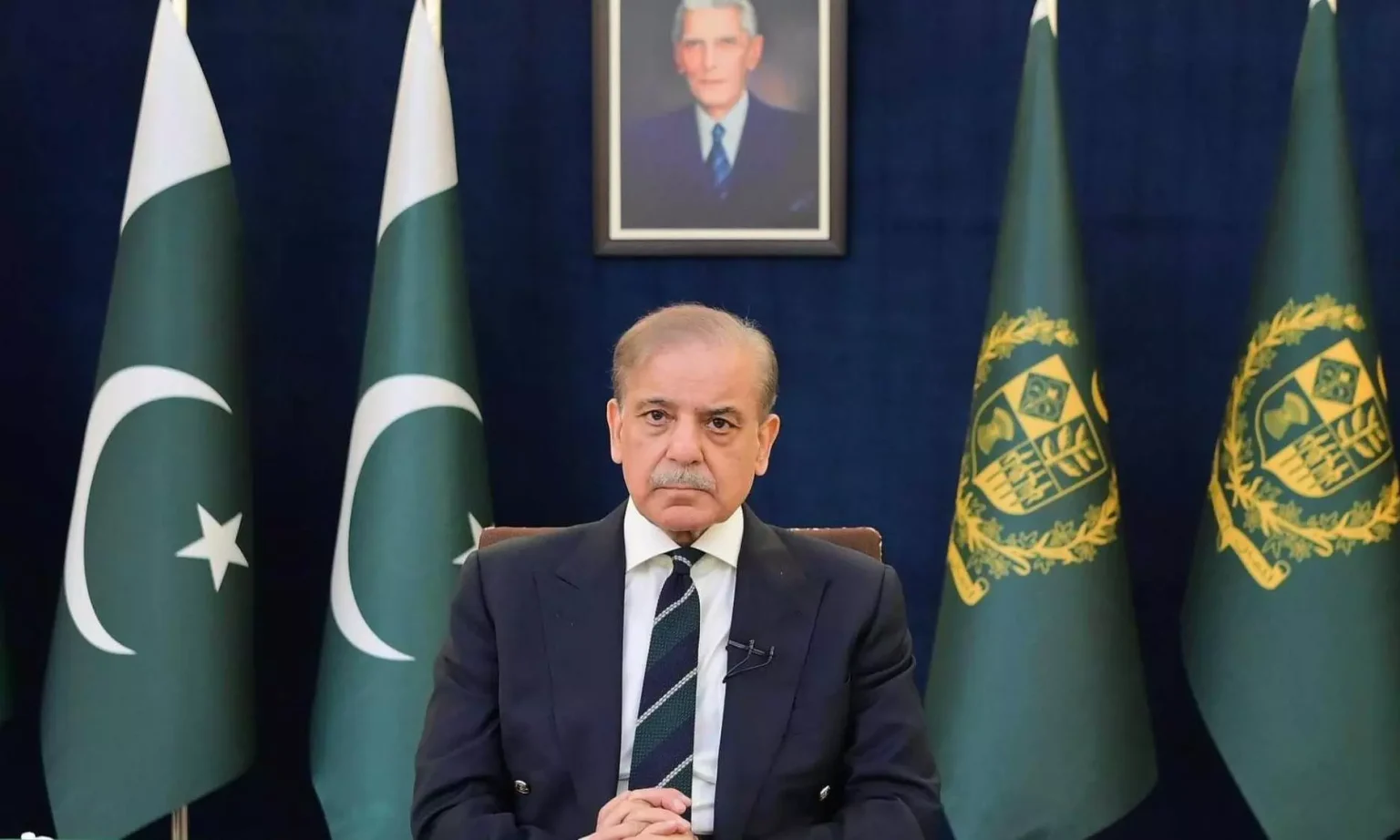
Speaking at the United Nations Security Council, Pakistan’s Permanent Representative Ambassador Asim Iftikhar Ahmad emphasized the importance of diplomacy in resolving regional disputes.
According to Beyond Time News, Pakistan is working alongside several regional partners, including Türkiye, Saudi Arabia, Egypt, Qatar, and China, to encourage de-escalation and promote negotiations.
The Pakistani envoy stressed that peace and stability in the Middle East remain essential not only for the region but also for global economic security.
Strait of Hormuz Remains a Major Concern
One of the most significant issues arising from the crisis is the future of the Strait of Hormuz, a strategic waterway through which a substantial portion of the world’s oil supply passes.
Iranian military officials have warned that they could take measures affecting maritime traffic in the area. However, US military authorities insist that commercial shipping continues to move through the strait despite heightened tensions.
Any disruption to shipping routes could have major consequences for global energy markets. Oil prices have already shown signs of volatility as investors monitor developments closely.
Energy analysts warn that prolonged instability around the Strait of Hormuz could push fuel prices higher and affect global trade flows.
Iran Rejects Claims of Military Weakness
Iran has also rejected US claims that its military capabilities have been significantly damaged.
According to Beyond Time News, Iranian Armed Forces spokesperson Abolfazl Shekarchi said the country remains fully prepared to respond to threats. He dismissed suggestions that Iran’s defense systems or missile capabilities had been destroyed.
Iranian officials insist that the country continues to strengthen its military readiness despite ongoing pressure from the United States and its allies.
The competing claims highlight the difficulty of independently assessing the military situation on the ground.
Regional Powers Call for Restraint
Several countries across the Middle East have urged both sides to avoid further escalation.
Saudi Arabia condemned attacks targeting regional states and called for renewed diplomatic engagement. The kingdom emphasized the need to protect regional stability and prevent a broader conflict.
Similarly, China renewed its appeal for an immediate halt to hostilities. Beijing urged all parties to return to negotiations and respect the sovereignty and territorial integrity of countries in the region.
European leaders have also expressed concern. Italian Prime Minister Giorgia Meloni warned that the European Union could consider additional measures if the situation continues to deteriorate.
Humanitarian and Economic Risks Growing
Beyond the military confrontation, international observers are increasingly worried about the humanitarian and economic consequences of continued conflict.
The Middle East remains a critical hub for global energy supplies. Any prolonged disruption could affect international markets, increase inflationary pressures, and create new challenges for governments worldwide.
Humanitarian organizations have also warned that escalating violence could worsen conditions for civilians in affected areas and increase regional displacement.
Diplomatic experts argue that a negotiated solution remains the most effective path toward preventing further instability.
Read more:Trump Booed at NBA Finals Game 3 as He Attends Knicks vs Spurs Clash at Madison Square Garden
International Community Urged to Act
At the United Nations, diplomats stressed the importance of dialogue and adherence to international law.
Pakistan called on the Security Council to prioritize diplomacy over confrontation and encourage meaningful negotiations between all parties.
According to Beyond Time News, several member states emphasized that lasting peace can only be achieved through political engagement rather than military escalation.
As tensions continue to rise, global leaders face mounting pressure to prevent the crisis from expanding into a wider regional conflict.
What Comes Next?
The coming days could prove critical for determining whether the situation moves toward diplomacy or deeper confrontation.
While both Washington and Tehran continue to exchange strong rhetoric, reports indicate that diplomatic channels remain open. International mediators are actively working to reduce tensions and encourage renewed negotiations.
For now, the world is closely watching developments in the Gulf region, where decisions made by both sides could have far-reaching consequences for regional security, global energy markets, and international stability.
FAQs
What did Donald Trump say about Iran’s oil infrastructure?
Trump suggested that the United States could eventually take control of key Iranian oil facilities, including Kharg Island, as part of a broader strategy toward Iran’s energy sector.
Why are US-Iran tensions increasing?
Tensions have risen following military strikes, retaliatory actions, and disagreements over regional security and diplomatic negotiations.
What role is Pakistan playing in the crisis?
Pakistan is supporting diplomatic efforts and mediation initiatives aimed at reducing tensions and encouraging dialogue between the United States and Iran.
Why is the Strait of Hormuz important?
The Strait of Hormuz is a major global shipping route for oil exports. Any disruption can affect international energy markets and fuel prices.
Are diplomatic talks still possible?
Yes. Despite military exchanges, several countries and international organizations continue to support negotiations and peaceful conflict resolution.
SEO Hashtags
#USIranConflict #DonaldTrump #IranNews #MiddleEastCrisis #StraitOfHormuz #GlobalOilMarket #PakistanDiplomacy #UnitedNations #WorldNews #Geopolitics #EnergySecurity #BreakingNews
2 thoughts on “Trump Signals Potential Move Against Iran’s Oil Infrastructure as US-Iran Tensions Escalate”
Comments are closed.