
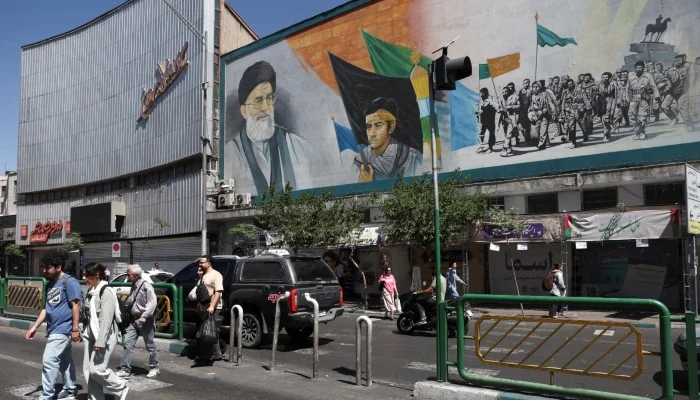
Tehran: Diplomatic efforts to end months of escalating hostilities between Iran and the United States appear to be entering a decisive phase, with officials from both countries indicating that a preliminary peace agreement could be finalized within days. The development comes amid renewed military activity near the strategically vital Strait of Hormuz, underscoring the fragile nature of the emerging accord.
According to Beyond Time News, representatives from Washington and Tehran have largely agreed on the framework of a memorandum of understanding aimed at ending the conflict, restoring maritime traffic through the Strait of Hormuz, and opening the door for future negotiations on Iran’s nuclear program.
The proposed agreement is being viewed as one of the most significant diplomatic developments in the Middle East in recent years, carrying major implications for regional security, global energy markets, and international relations.
Diplomatic Breakthrough Signals Possible End to Conflict
Senior officials involved in the negotiations have suggested that both sides are close to finalizing the text of an agreement that could formally halt military confrontations and establish a roadmap for future engagement.
Iranian Foreign Minister Abbas Araghchi described the tentative arrangement as evidence that Iran had emerged from the conflict in a stronger position. Speaking on state television, he asserted that Tehran had successfully defended its interests despite the military pressure it faced during the war.
On the American side, administration officials have expressed optimism that the proposed framework meets Washington’s primary objectives and creates favorable conditions for broader negotiations.
While neither government has officially announced a signing date, diplomatic sources indicate that a formal endorsement of the agreement could take place within days, either through direct meetings or remote coordination between senior officials.
New Security Incident Raises Concerns
Despite progress in negotiations, tensions remain evident in the Gulf region.
According to Beyond Time News, US military forces intercepted and destroyed several Iranian one-way attack drones that were reportedly heading toward the Strait of Hormuz. Officials stated that the drones posed a potential threat to commercial shipping routes operating through the narrow waterway.
Following the incident, US Central Command confirmed that maritime traffic remained unaffected and that the strait continued to be open for international transit.
Meanwhile, reports from Iranian coastal areas indicated that explosions and warning shots were heard near Sirik Port and Qeshm Island. Local officials reportedly attributed the activity to Iranian security forces issuing warnings to vessels attempting to navigate the area without authorization from naval authorities.
The events highlighted the delicate security environment surrounding one of the world’s most strategically important maritime corridors.
Why the Strait of Hormuz Matters
The Strait of Hormuz is widely regarded as one of the most critical chokepoints in global trade.
Located between the Persian Gulf and the Gulf of Oman, the narrow waterway serves as a key route for international energy exports. Before the recent conflict, approximately one-fifth of the world’s oil and natural gas supplies passed through the strait.
Any disruption to shipping activity in the region can trigger significant consequences for global energy prices, international trade flows, and economic stability.
The closure of the strait earlier in the conflict raised concerns among governments, energy companies, and financial markets worldwide. Reopening the passage has therefore become a central objective of ongoing diplomatic efforts.
Key Terms of the Proposed Agreement
Sources familiar with the negotiations indicate that the draft memorandum includes several major provisions designed to reduce tensions and encourage long-term stability.
Among the reported measures are:
- Reopening of the Strait of Hormuz to unrestricted commercial shipping.
- Gradual easing of restrictions affecting Iranian maritime trade.
- Release of portions of Iran’s frozen overseas assets.
- Temporary framework for broader nuclear negotiations.
- Establishment of monitoring and inspection mechanisms.
- Confidence-building measures aimed at preventing future military escalation.
Officials involved in the discussions suggest that implementation of several provisions would depend on verified compliance by both parties.
According to Beyond Time News, some aspects of the agreement remain under discussion, meaning modifications could still occur before a final version is signed.
Nuclear Program Remains a Major Challenge
Although the proposed memorandum focuses primarily on ending hostilities and restoring maritime activity, Iran’s nuclear program remains one of the most sensitive issues in the negotiations.
Reports indicate that the agreement would initiate a period of structured talks dedicated to resolving disputes surrounding Iran’s nuclear activities.
American officials reportedly seek significant reductions in Iran’s nuclear capabilities, including restrictions on highly enriched uranium and expanded verification measures.
Iranian leaders, however, have maintained that their nuclear activities are intended for peaceful purposes and have emphasized their right to maintain a civilian nuclear program.
One of the key areas of disagreement centers on the future of Iran’s enriched uranium stockpile. While some proposals reportedly call for its removal or destruction, Iranian officials have expressed support for converting or diluting the material instead.
Analysts believe that the success of future nuclear talks may ultimately determine whether the broader peace process can achieve lasting results.
Economic Impact Could Be Significant
The potential agreement carries substantial economic implications for both Iran and the wider global economy.
For Iran, access to frozen financial assets and relief from certain economic restrictions could provide important support for domestic recovery efforts. Increased oil exports could also strengthen government revenues and improve economic conditions.
Global energy markets could benefit from greater stability in the Gulf region, reducing uncertainty surrounding oil and gas supplies.
Investors and international businesses are closely monitoring developments, as any improvement in relations between Tehran and Washington could influence energy prices, trade patterns, and regional investment opportunities.
Regional Reactions and Israel’s Position
Not all regional actors appear supportive of the emerging agreement.
Israeli Prime Minister Benjamin Netanyahu has indicated that Israel is not participating in the negotiations and will not be bound by any memorandum reached between Washington and Tehran.
Israeli officials have repeatedly emphasized their commitment to maintaining the ability to respond independently to perceived security threats.
The position reflects ongoing differences between Israel and the United States regarding the best approach to addressing regional security concerns and Iran’s military capabilities.
At the same time, some observers believe that a reduction in direct hostilities between Iran and the United States could contribute to broader diplomatic efforts aimed at lowering tensions across the Middle East.
Read more:Trump Signals Potential Move Against Iran’s Oil Infrastructure as US-Iran Tensions Escalate
Broader Significance for the Middle East
The proposed peace arrangement represents more than just an end to a military confrontation.
If successfully implemented, it could reshape regional diplomacy, influence security calculations among Gulf states, and create new opportunities for dialogue on longstanding disputes.
The agreement may also serve as a foundation for future discussions involving maritime security, economic cooperation, and conflict prevention mechanisms.
However, experts caution that significant challenges remain. Deep mistrust, unresolved political disputes, and competing regional interests could complicate implementation efforts even after a formal agreement is reached.
A Critical Moment for Diplomacy
As negotiators work to finalize the details of the proposed accord, the coming days are expected to be crucial for determining whether diplomacy can succeed where military confrontation failed.
The reopening of the Strait of Hormuz, the future of Iran’s nuclear program, and the broader stability of the Middle East may all depend on the outcome of these discussions.
For now, both sides appear closer to an agreement than at any point since the conflict began, offering cautious optimism that a path toward de-escalation may finally be emerging.
FAQs
1. What is the proposed US-Iran peace agreement about?
The agreement aims to end hostilities, reopen the Strait of Hormuz, reduce regional tensions, and establish a framework for future nuclear negotiations.
2. Why is the Strait of Hormuz important?
The strait is one of the world’s most important energy shipping routes, handling a significant portion of global oil and natural gas exports.
3. What role does Iran’s nuclear program play in the negotiations?
Future talks are expected to focus heavily on Iran’s nuclear activities, including uranium enrichment and international inspection measures.
4. Has the agreement been officially signed?
No. Officials have indicated that negotiations are advanced, but final approval and signing are still pending.
5. How could the deal affect global energy markets?
A reduction in tensions and the reopening of shipping routes could improve market stability and reduce concerns about supply disruptions.
SEO Hashtags
#IranUSDeal #StraitOfHormuz #MiddleEastNews #IranNuclearProgram #GlobalEnergyMarkets #USIranRelations #GulfSecurity #InternationalDiplomacy #BreakingNews #WorldPolitics #OilTrade #Geopolitics

One thought on “US-Iran Peace Agreement Nears as Tensions Persist Around Strait of Hormuz”
Comments are closed.