
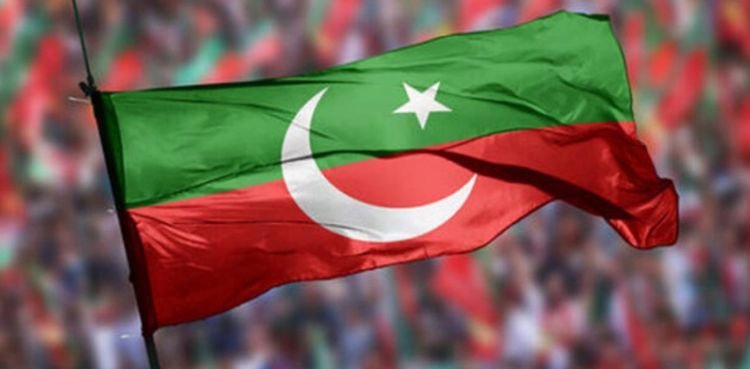
Islamabad: Pakistan Tehreek-e-Insaf (PTI) has strongly rejected the federal budget for fiscal year 2026-27, criticizing the government’s financial plan as one that favors affluent segments of society while placing additional economic pressure on ordinary citizens and taxpayers.
According to Beyond Time News, PTI leaders described the budget as disappointing, alleging that it fails to address the growing financial challenges faced by the public and lacks meaningful measures to improve governance, economic stability, and social welfare.
The criticism comes as political and economic debates intensify following the presentation of the federal budget, which the government has described as a roadmap for economic recovery and fiscal discipline.
PTI Calls Budget Unfair to Common People
Speaking to media representatives, PTI Chairman Barrister Gohar expressed dissatisfaction with the government’s fiscal strategy, arguing that the budget offers little relief to citizens struggling with inflation, rising living costs, and economic uncertainty.
He stated that the opposition had not expected significant public-friendly measures from the current administration and claimed that the budget continues a pattern of policies that burden lower- and middle-income households.
According to Beyond Time News, Barrister Gohar argued that a responsible budget should prioritize reducing economic hardship, creating employment opportunities, and improving the quality of life for ordinary citizens.
He further alleged that the government’s financial approach relies heavily on borrowing rather than structural reforms aimed at strengthening the economy.
“The public is facing immense economic pressure, and a budget should focus on providing relief rather than increasing burdens,” he said.
Concerns Over Government Spending and Borrowing
One of PTI’s major criticisms focused on government expenditure and debt management.
Barrister Gohar claimed that despite repeated promises of fiscal responsibility, authorities have failed to significantly reduce public spending over the past several years. He argued that increasing reliance on loans and borrowing has contributed to economic challenges rather than resolving them.
Economic experts often emphasize that excessive borrowing can place long-term pressure on national finances, particularly when debt servicing consumes a large share of government revenues.
According to Beyond Time News, PTI leaders believe the latest budget does not adequately address these concerns and lacks a comprehensive strategy for reducing fiscal deficits through sustainable economic reforms.
The party also questioned whether the proposed measures would generate sufficient economic growth to improve living standards and create new opportunities for businesses and workers.
Political Dialogue Remains Stalled
Beyond economic issues, Barrister Gohar also commented on ongoing political engagement efforts involving PTI leadership.
He said attempts were being made to establish communication channels and facilitate meetings with key party figures. However, he claimed that these efforts had not produced meaningful progress.
According to Beyond Time News, the PTI chairman stressed that political dialogue should focus on substantive outcomes rather than symbolic gestures.
He stated that the party was seeking serious engagement on issues affecting democracy, governance, and national stability rather than participating in meetings designed primarily for public relations purposes.
His remarks highlight the continuing political tensions between the opposition and the ruling coalition, which have shaped much of Pakistan’s political landscape in recent years.
Sheikh Waqas Akram Criticizes Tax Policies
Separately, PTI Central Secretary Information Sheikh Waqas Akram launched a detailed critique of the government’s taxation strategy, describing the budget as an extension of what he characterized as an “elite-friendly” economic model.
According to Beyond Time News, Akram alleged that the financial plan disproportionately benefits wealthy individuals and influential sectors while offering limited support to lower-income groups.
He argued that taxpayers who already comply with regulations continue to face additional scrutiny and financial burdens, while broader reforms aimed at expanding the tax base remain insufficient.
Akram also criticized recent tax administration measures, particularly the use of faceless audits, claiming that they create difficulties for legitimate businesses and law-abiding taxpayers.
Supporters of such audit systems argue that digital processes can improve transparency and reduce human interference, while critics contend that implementation challenges may create uncertainty for businesses.
The issue has become an increasingly important topic within Pakistan’s ongoing debate over tax reforms and revenue collection strategies.
Debate Over Taxation and Economic Reform
Tax policy remains one of the most contested elements of Pakistan’s annual budget process.
Successive governments have faced the challenge of increasing tax revenues while maintaining economic growth and minimizing pressure on households and businesses.
PTI leaders argued that the latest budget continues a trend of imposing taxes across various sectors without sufficiently addressing tax evasion or inefficiencies within the system.
According to Beyond Time News, opposition representatives claimed that the government’s revenue projections and fiscal assumptions require greater transparency and accountability.
Economists generally agree that broadening the tax base and improving compliance are essential for long-term fiscal sustainability. However, debates often emerge regarding how tax burdens should be distributed across different income groups and sectors of the economy.
The government’s supporters maintain that difficult fiscal measures are necessary to stabilize the economy, meet financial obligations, and support development initiatives.
Public Expectations from the New Budget
As Pakistan continues to navigate economic challenges, public expectations from the federal budget remain high.
Many citizens are looking for policies that can help address inflation, improve employment prospects, stabilize prices, and encourage investment.
Business communities have also emphasized the importance of predictable taxation, regulatory clarity, and policies that support economic growth.
According to Beyond Time News, the government’s budget proposals will likely face continued scrutiny from opposition parties, economists, industry stakeholders, and civil society organizations in the coming weeks.
The parliamentary debate on the budget is expected to provide further insight into the government’s fiscal priorities and the concerns raised by opposition lawmakers.
Economic Challenges Facing Pakistan
The budget discussion takes place against a backdrop of significant economic challenges, including inflationary pressures, fiscal constraints, external financing requirements, and efforts to boost economic growth.
Policymakers face the difficult task of balancing revenue generation with public welfare while ensuring that economic reforms remain sustainable over the long term.
Experts note that achieving this balance requires careful policy planning, strong institutional governance, and effective implementation of economic measures.
Whether the current budget succeeds in meeting these objectives remains a subject of intense political and economic debate.
Budget Debate Reflects Wider Political Differences
The strong reaction from PTI reflects broader disagreements between the opposition and the government regarding economic management and governance.
While the ruling coalition argues that its fiscal policies are necessary for stability and recovery, opposition leaders contend that the measures fail to adequately protect vulnerable segments of society.
As parliamentary discussions continue, the budget is expected to remain at the center of national debate, with competing narratives shaping public opinion on the country’s economic direction.
For millions of Pakistanis facing rising living costs and economic uncertainty, the effectiveness of the budget will ultimately be measured by its impact on everyday life.
FAQs
1. Why has PTI rejected the federal budget 2026-27?
PTI claims the budget favors wealthy groups while placing additional financial burdens on ordinary citizens and taxpayers.
2. What concerns did Barrister Gohar raise about the budget?
He criticized government borrowing, spending policies, and the absence of meaningful relief measures for the public.
3. What did Sheikh Waqas Akram say about tax policies?
He argued that the budget targets compliant taxpayers and businesses instead of addressing broader issues related to tax collection and evasion.
4. What are faceless audits?
Faceless audits are digital tax assessment processes designed to reduce direct interaction between taxpayers and tax officials.
5. Why is the federal budget important?
The budget outlines government spending, taxation policies, development priorities, and economic plans for the upcoming fiscal year.
SEO Hashtags
#PTI #PakistanBudget2026 #FederalBudget #BarristerGohar #SheikhWaqasAkram #PakistanEconomy #BudgetDebate #TaxPolicy #EconomicReforms #IslamabadNews #PakistanPolitics #FiscalPolicy
One thought on “PTI Slams Federal Budget 2026-27 as ‘Pro-Rich and Anti-Poor’, Demands Relief for Common Citizens”
Comments are closed.