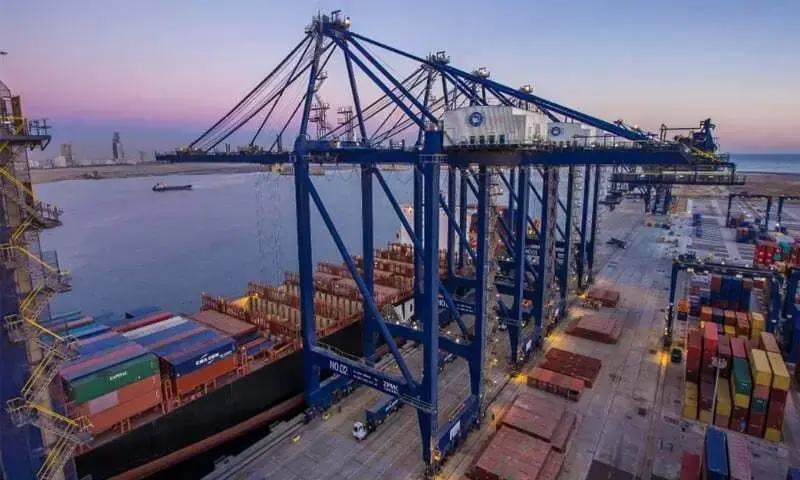
Pakistan has announced significant relief for exporters as part of efforts to ease trade disruptions and support business activity. According to Beyond Time News, the government has introduced substantial storage charge waivers at key port terminals to reduce financial pressure on exporters.
Up to 50% Waiver at Key Terminals
Federal Minister for Maritime Affairs Muhammad Junaid Anwar Chaudhry confirmed that storage charges at Karachi Port Trust (KPT) terminals will be reduced by 25% to 50%.
The waivers apply as follows:
- 50% waiver at KGTL (March 1–20, 2026)
- 50% waiver at KICT (March 1–10, 2026)
- 25% waiver at SAPT (March 11–31, 2026)
These reductions target export containers stuck at terminals due to operational delays, especially those linked to Gulf-bound shipments.
Government Steps In to Support Trade
The initiative came after consultations with terminal operators. Shahid Ahmed, Chairman of KPT, led the effort under the minister’s direction to secure this relief package.
Officials say the move will:
- Lower financial burden on exporters and importers
- Speed up clearance of pending consignments
- Improve overall cargo handling efficiency
Read more:Storage Relief at Karachi Port Announced to Support Exporters
Focus on Smoother Logistics
The minister stressed the need for better coordination among ports and terminal operators. He urged institutions to adopt a more business-friendly approach so that delays do not translate into extra costs for traders.
He also highlighted that efficient port operations play a key role in:
- Strengthening export growth
- Ensuring economic stability
- Building investor confidence
A Step Toward a Competitive Maritime Sector
This relief package is part of a broader plan to modernize Pakistan’s maritime sector and align it with global trade standards. By reducing bottlenecks and improving efficiency, the government aims to make ports more competitive and responsive to business needs.
For exporters facing recent disruptions, this move offers timely support and signals a shift toward more practical, trade-focused policies