- Social media backlash grows over K-P Assembly benefits, official passport provision, and legislative privilege amendments
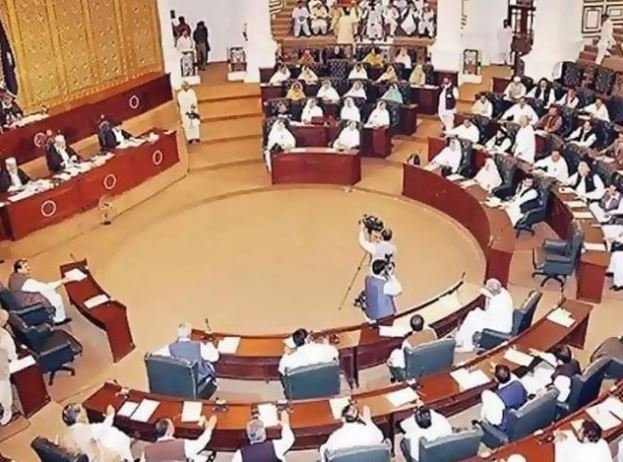
Islamabad: Fresh public debate has emerged over a package of laws passed by the Khyber-Pakhtunkhwa (K-P) Assembly after details of the legislation resurfaced on social media. The renewed attention has raised questions about increased benefits for provincial lawmakers, official passport provisions, legislative privileges, and transparency surrounding the enactment of the laws.
According to Beyond Time News, the legislation was approved by the provincial assembly on April 30 and later received the governor’s assent in early May. Although the laws became effective weeks ago, they attracted little public discussion until excerpts began circulating online, prompting criticism from political figures, civil society members, and social media users.
What the New K-P Laws Include
The controversy mainly revolves around two pieces of legislation:
- The Khyber-Pakhtunkhwa Province (Salaries and Allowances of Members) Act
- The Khyber-Pakhtunkhwa Assembly Powers, Privileges and Immunities (Amendment) Act, 2026
A third law related to the Speaker’s salaries and allowances was also approved. However, that bill underwent revisions during the legislative process following criticism raised inside the assembly.
The two remaining laws have become the focus of public attention because they introduce several benefits and legislative protections for elected representatives.
Benefits for Provincial Legislators
According to Beyond Time News, the salary and allowances law expands several facilities available to members of the provincial assembly.
The reported benefits include:
- Increased financial allowances
- Access to government rest houses
- Entry to airport VIP lounges
- Toll tax exemptions
- Security arrangements
- Eligibility for an official passport, subject to applicable federal laws
- A provision extending the official passport facility to spouses for life, where federal regulations permit
Supporters argue that many of these measures are intended to align K-P legislators’ benefits with those available to lawmakers in other provinces and at the federal level.
Critics, however, question whether such privileges should be prioritised when the province continues to face economic and governance challenges.
Legislative Privilege Clause Sparks Concerns
Public discussion has also focused on amendments to the Assembly’s powers and privileges law.
One clause states that publishing assembly proceedings or evidence that has officially been declared confidential may result in penalties, including imprisonment of up to six months, a fine, or both.
The provision has prompted debate among journalists, legal observers, and transparency advocates, who argue that restrictions on reporting legislative proceedings should be carefully balanced against the public’s right to information.
Supporters of legislative privilege say confidentiality provisions exist in many parliamentary systems to protect sensitive committee work or classified discussions. Critics believe such powers should be exercised cautiously to avoid limiting press freedom or public oversight.
Lawmakers Raise Alarm Over Slow Internet in National Assembly, Demand Urgent Fix
Political Reactions Intensify
The issue has also entered the political arena.
A senior leader of the Pakistan Muslim League-Nawaz (PML-N) questioned whether expanding privileges for lawmakers reflected the priorities of citizens in Khyber-Pakhtunkhwa.
In public remarks, he criticised reported provisions related to toll tax exemptions, accommodation at government guest houses, official passport eligibility, and other benefits, arguing that the province faces more pressing public concerns.
The criticism has added momentum to an already active debate across social media platforms.
Provincial Government Rejects Some Claims
The Khyber-Pakhtunkhwa government’s spokesperson has rejected several claims circulating online.
He described reports suggesting that lawmakers had been granted blue passports or that the legislation broadly authorised imprisonment of journalists as inaccurate.
The spokesperson stated that passport issuance remains a federal responsibility and said no independent provincial authority exists to grant such documents.
He also defended the increase in lawmakers’ salaries, arguing that K-P legislators had previously received lower compensation than elected representatives in Punjab, Sindh, Balochistan, and the National Assembly.
According to the provincial government, the legislation was designed to narrow those differences rather than create extraordinary privileges.
Transparency Questions Continue
The renewed controversy has also highlighted broader concerns about public access to legislation.
Although the laws reportedly came into force in May, many observers noted that copies of the enacted legislation were difficult to locate through the provincial assembly’s online legislative archive when public debate intensified.
Transparency experts often argue that timely publication of enacted laws strengthens public trust, improves accountability, and enables citizens to understand policy decisions that directly affect governance.
Easy access to official legislation is widely considered an important part of democratic oversight.
Experts Offer a Balanced View
Legislative governance experts say public criticism of lawmakers’ salaries is common, particularly during periods of economic pressure.
They argue that elected representatives perform full-time public duties and require reasonable compensation to attract individuals from different economic backgrounds, not only those with substantial personal wealth.
At the same time, several governance specialists have questioned whether lifetime privileges, expanded official facilities, or additional special entitlements are necessary.
Some experts believe legislatures should focus primarily on lawmaking, oversight of government institutions, and public service rather than expanding personal benefits.
Why the Debate Matters
The discussion extends beyond salaries alone.
Public confidence in elected institutions often depends on transparency, accountability, and the perception that lawmakers place citizens’ interests ahead of personal privileges.
When legislation concerning lawmakers’ benefits receives limited public attention during passage but later becomes widely debated online, questions naturally arise about legislative openness and communication with the public.
The controversy may also encourage broader discussions on how provincial assemblies should balance fair compensation for legislators with responsible management of public resources.
Conclusion
The renewed focus on Khyber-Pakhtunkhwa’s lawmakers’ salary and privilege laws has reopened an important conversation about governance, transparency, and public accountability.
While the provincial government maintains that the legislation aligns lawmakers’ compensation with other assemblies and disputes several claims circulating online, critics continue to question the necessity of certain privileges and call for greater openness regarding legislative decisions.
As debate continues, the issue is likely to remain part of wider discussions about institutional reform, responsible governance, and public trust in Pakistan’s democratic institutions.
Frequently Asked Questions
What are the new Khyber-Pakhtunkhwa lawmakers’ laws about?
The legislation covers lawmakers’ salaries, allowances, privileges, and amendments to the provincial assembly’s powers and immunities.
Why are the K-P Assembly laws facing criticism?
Critics argue that some benefits, including official passport provisions, special facilities, and legislative privileges, may not reflect the province’s most urgent public priorities.
Did the K-P government confirm reports about official passports?
The provincial government rejected several claims circulating online and stated that passport issuance remains a federal matter. However, the enacted legislation includes provisions referring to official passport entitlement subject to applicable federal law.
Why is the confidentiality clause controversial?
The amendment includes penalties for publishing assembly proceedings or evidence declared confidential by the assembly, leading to debate over transparency and media reporting.
Why does transparency matter in this case?
Public access to enacted laws allows citizens, journalists, and researchers to understand legislative decisions and strengthens accountability within democratic institutions.
Hashtags
#KhyberPakhtunkhwa #PakistanPolitics #KPAssembly #LegislativeReforms #GovernmentTransparency #PakistanNews #PublicPolicy #Parliament #Governance #BeyondTimeNews