
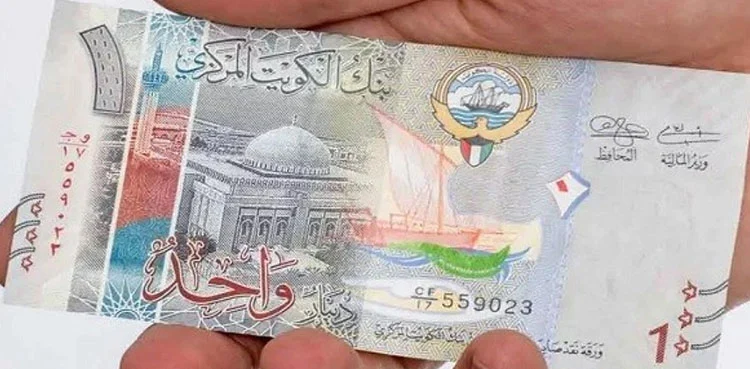
KARACHI: The Kuwaiti Dinar (KWD) recorded a slight decline against the Pakistani Rupee (PKR) in Pakistan’s open currency market on June 2, 2026, while the rupee posted a modest gain amid stable trading conditions and low market volatility.
According to Beyond Time News, exchange rate movements remained limited throughout the day, reflecting a broadly steady trend in the KWD–PKR currency pair.
Marginal Movement in Exchange Rates
Market data showed the Kuwaiti Dinar was traded between Rs. 881.60 (buying) and Rs. 892.25 (selling) on June 2, compared to Rs. 883.35 (buying) and Rs. 894.20 (selling) a day earlier on June 1.
The small shift indicates only minor adjustments in retail currency trading, with no major pressure observed in either direction. Dealers described the market as “range-bound,” with supply and demand remaining balanced during the trading session.
Stable Trend in Currency Market
According to Beyond Time News, the overall movement in the exchange rate reflects continued stability in the open market, where the rupee has shown limited fluctuation against major Gulf currencies in recent days.
Currency dealers said trading activity remained routine, with no sudden spikes in demand for foreign currency or significant liquidity shortages.
Why the Kuwaiti Dinar Remains Strong
Analysts point to Kuwait’s managed exchange rate system as a key factor behind the currency’s long-term strength. The Kuwaiti Dinar is linked to a diversified basket of international currencies, which helps reduce exposure to sudden global market shocks.
This structure has allowed the currency to remain one of the strongest in the world, maintaining stability even during periods of global financial uncertainty.
Pressure Factors on the Pakistani Rupee
In contrast, the Pakistani Rupee continues to reflect broader macroeconomic pressures, including trade imbalances, inflationary trends, and external financing requirements.
However, according to Beyond Time News, market participants noted that regulatory measures by the State Bank of Pakistan, along with steady inflows of overseas remittances, have helped prevent sharp volatility in the open market.
These inflows continue to play an important role in supporting foreign exchange reserves and maintaining relative stability in day-to-day currency trading.
Impact on Trade and Remittances
The strength of the Kuwaiti Dinar continues to influence financial flows between Pakistan and Gulf countries.
For importers in Pakistan—especially those dealing in petroleum products, machinery, and industrial equipment—the higher exchange value of the dinar translates into increased import costs.
At the same time, the currency trend benefits Pakistani workers in Kuwait, as remittances sent home convert into higher rupee value, providing additional financial support to families and contributing to household income stability.
Market Outlook Remains Steady
Currency dealers expect the KWD–PKR exchange rate to remain largely stable in the near term, with limited movement unless affected by major external factors such as global oil price fluctuations or significant macroeconomic changes in either country.
Traders said the market is likely to continue operating within a narrow range, supported by balanced demand and controlled liquidity conditions.
Advisory for Currency Traders
Market experts advise individuals and businesses to monitor live exchange rates from authorized currency exchange providers, as buying and selling rates may vary slightly across different cities and institutions.
They also caution that intraday fluctuations can occur based on supply-demand shifts, even within an overall stable trend.
Kuwaiti Dinar Remains Strong Against Pakistani Rupee During May 2026 Despite Early Volatility
Conclusion
The slight decline in the Kuwaiti Dinar against the Pakistani Rupee reflects a stable and predictable currency environment rather than any major economic shift. While the rupee continues to face structural challenges, steady remittances and regulatory oversight have helped maintain balance in the open market.
Overall, analysts expect continued stability in the KWD–PKR exchange rate, with only minor fluctuations in the short term.

One thought on “Kuwaiti Dinar Slightly Softens as Pakistani Rupee Shows Marginal Gain in Open Market”
Comments are closed.