A reported diplomatic workaround involving the transliteration of names has allowed U.S. Secretary of State Marco Rubio to travel to Beijing despite earlier sanctions imposed by China.
Rubio, who was previously sanctioned by Chinese authorities during his time as a U.S. senator, had been restricted under an earlier version of his name used in official records. However, according to reports, a revised transliteration of his name enabled him to enter the country in his current diplomatic capacity.
The adjustment is being described as a practical workaround that allows China to maintain its sanctions framework while still engaging with Rubio during his official visit.
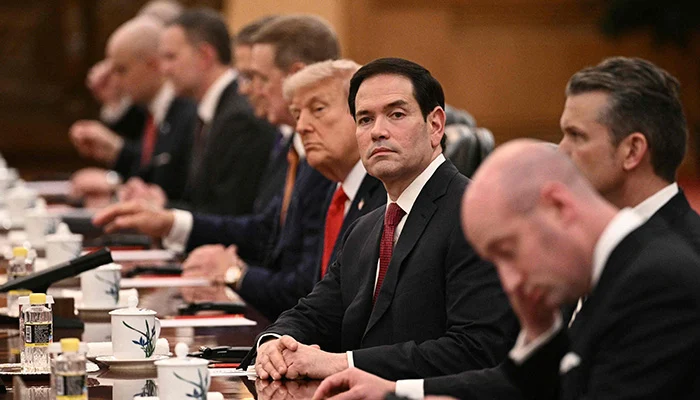
The visit comes as Rubio accompanied former U.S. President Donald Trump on a trip to Beijing, marking the first visit by a sitting U.S. president to China in nearly a decade. During the trip, meetings were also held with Chinese President Xi Jinping.
Chinese officials said the sanctions imposed on Rubio were linked to his past statements and actions during his tenure as a U.S. senator, particularly those related to human rights issues.
Read more:Power, language, and a unique tale from history
A Chinese embassy spokesperson said the measures targeted Rubio’s earlier conduct and not his current diplomatic role.
Reports suggest that the name adjustment helped avoid procedural restrictions tied to the original sanction listing, allowing the visit to proceed without formally lifting penalties.
The development highlights ongoing complexities in U.S.–China relations, where diplomatic engagement and political restrictions continue to operate in parallel.