
Tensions in the Middle East are rising again, putting a fragile ceasefire between the United States and Iran under serious pressure. A recent maritime confrontation has added uncertainty, raising concerns about whether peace efforts can survive beyond the coming days. According to Beyond Time News, the situation is rapidly evolving, with both sides taking a firm stance.
U.S. Intercepts Iranian Ship, Iran Warns of Retaliation
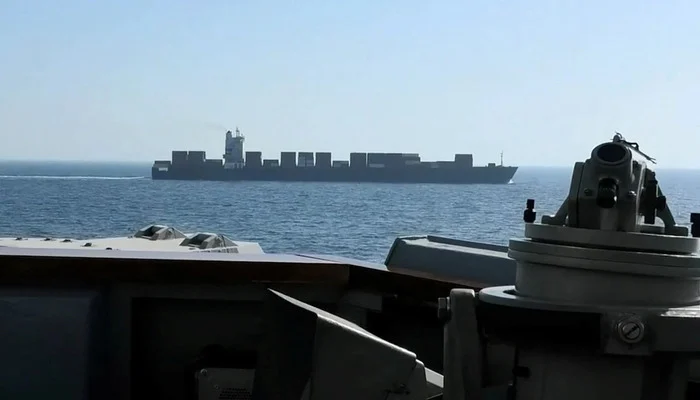
The U.S. military confirmed that it intercepted and seized an Iranian-flagged cargo ship attempting to bypass its naval blockade. The vessel was reportedly heading toward Iran’s Bandar Abbas port when it was stopped.
In response, Iran strongly condemned the action, calling it “armed piracy” and warning of a firm retaliation. Officials stated that their armed forces would respond soon, signaling a possible escalation in the conflict.
Ceasefire Stability in Doubt
The incident has cast serious doubt over the future of the temporary ceasefire, which is set to expire soon. According to Beyond Time News, diplomatic efforts to extend the truce are already facing setbacks.
Iran has reportedly refused to join a second round of peace talks, blaming ongoing U.S. pressure, including the continued blockade and what it described as unrealistic demands. This decision has weakened hopes for a long-term resolution.
Read more :Gaza Board of Peace: US plans meeting in Washington on Feb 19, Axios reports
Oil Supply Concerns Shake Global Markets
The growing tension has already begun to affect global markets. The Strait of Hormuz, a key route for nearly 20% of the world’s oil supply, remains under threat due to renewed restrictions from both sides.
As a result, oil prices have surged and stock markets have shown signs of instability. Traders are increasingly worried that disruptions in the region could continue, impacting global energy supplies.
Strong Statements from Both Sides
Iranian leadership made it clear that it would not accept restrictions on its oil exports while other nations benefit from secure trade routes. Officials warned that if the current situation continues, it could lead to serious consequences for all parties involved.
On the other side, U.S. leadership has issued strong warnings as well, threatening severe action if Iran refuses to comply with its conditions. These statements have further increased tensions, making negotiations more difficult.
Islamabad Prepares for Possible Talks
Despite uncertainty, preparations are underway in Islamabad for a potential new round of negotiations. According to Beyond Time News, security measures have been tightened across the city in anticipation of the arrival of a U.S. delegation.
Authorities have restricted public movement in key areas, and arrangements are being made at major venues where discussions may take place. However, it remains unclear whether these talks will actually happen, given Iran’s current position.
A Conflict with Global Impact
Now entering its eighth week, the conflict has already caused significant damage and loss of life. Military actions across the region have intensified, with strikes and counter-strikes affecting multiple countries.
Beyond the immediate region, the crisis is having a global impact—especially on energy markets and international stability. Analysts warn that without meaningful dialogue, the situation could worsen quickly.
What Comes Next?
With the ceasefire deadline approaching, the world is watching closely. The coming days will be critical in determining whether diplomacy can prevail or if the region will slide back into deeper conflict.

2 thoughts on “Middle East Ceasefire at Risk as U.S. Seizes Iranian Cargo Ship”
Comments are closed.