
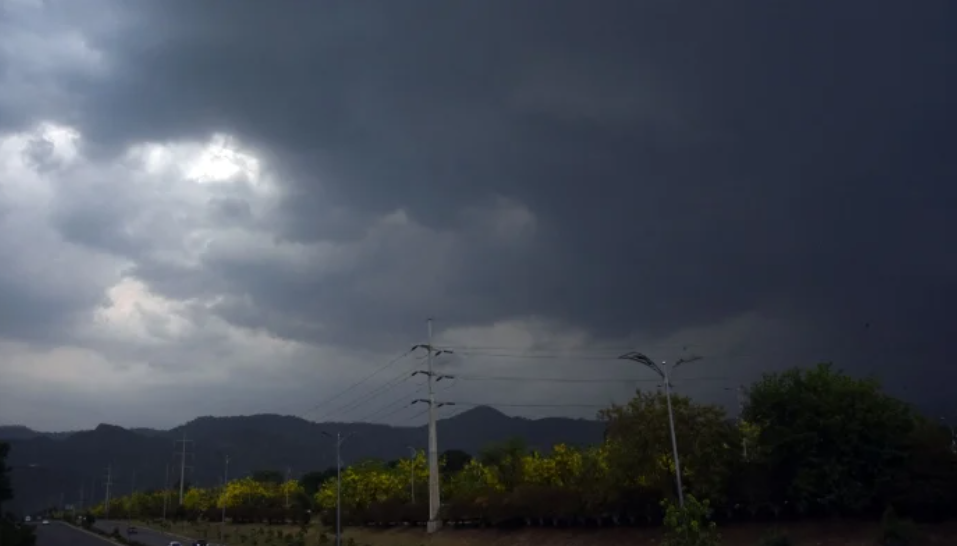
Islamabad: Pakistan’s disaster management authorities have issued a nationwide weather advisory, warning that heavy rainfall, thunderstorms and strong winds could trigger flash floods, urban flooding and landslides in several parts of the country over the next 12 to 24 hours.
According to Beyond Time News, the National Disaster Management Authority (NDMA) has urged provincial and district administrations to remain on high alert and take precautionary measures to minimize the impact of the approaching weather system.
The warning comes as authorities also highlighted the risk of Glacial Lake Outburst Floods (GLOFs) in northern mountainous areas, where rising temperatures and glacier melt continue to increase the threat of sudden flooding.
Heavy Rain and Storms Expected in Several Regions
The National Emergencies Operation Centre (NEOC), which operates under the NDMA, said the expected weather pattern aligns with the seasonal forecast issued several months ago.
According to Beyond Time News, the NDMA has been sharing advance warnings and risk assessments with federal, provincial and district authorities to ensure timely preparedness and coordinated emergency response efforts.
Rain accompanied by thunderstorms, windstorms and dust storms is expected to affect many parts of the country, with authorities warning residents to stay informed and avoid unnecessary travel during periods of severe weather.
Punjab and Islamabad Likely to Receive Widespread Rainfall
Several cities in Punjab and the federal capital are expected to experience moderate to heavy rainfall and thunderstorms.
Areas likely to be affected include Rawalpindi, Murree, Attock, Chakwal, Talagang, Mandi Bahauddin, Sargodha, Gujar Khan, Gujrat, Jhelum, Sialkot, Gujranwala, Hafizabad, Lahore, Faisalabad, Khushab, Jhang, Mianwali, Dera Ghazi Khan, Kasur, Okara, Sahiwal, Multan, Bahawalpur and Rahim Yar Khan.
Officials warned that low-lying urban areas could face water accumulation and localized flooding if rainfall intensifies.
Northern Areas Face Elevated Flood and Landslide Threat
Gilgit-Baltistan and Azad Jammu and Kashmir are among the regions facing heightened risks due to the combination of heavy rainfall and glacier-related hazards.
According to Beyond Time News, rain and thunderstorms are expected in Gilgit, Skardu, Diamer, Astore, Ghizer, Hunza, Ghanche and Shigar districts, as well as Neelum Valley, Muzaffarabad, Rawalakot, Bagh, Kotli, Poonch, Hattian, Mirpur and Bhimber.
The NDMA issued a separate advisory regarding Glacial Lake Outburst Floods, warning that sudden releases of water from glacial lakes could trigger flash floods, debris flows and landslides in vulnerable mountain communities.
What Are Glacial Lake Outburst Floods?
Glacial Lake Outburst Floods occur when water stored in lakes formed by melting glaciers is suddenly released due to the collapse of natural barriers. These events can unleash large volumes of water downstream within a short period, causing significant damage to roads, homes and infrastructure.
Pakistan is considered one of the countries most vulnerable to glacier-related disasters because it hosts thousands of glaciers, particularly in Gilgit-Baltistan and northern Khyber Pakhtunkhwa.
NDMA Expert Warns Climate Change Will Make Each Year Hotter, Urges Urgent National Action
Khyber Pakhtunkhwa Braces for Thunderstorms
Weather activity is also expected to intensify across various districts of Khyber Pakhtunkhwa.
Areas likely to receive rainfall with thunderstorms include Chitral, Upper and Lower Dir, Swat, Battagram, Mansehra, Abbottabad, Haripur, Swabi, Mardan, Charsadda, Peshawar, Kohat, Parachinar, Karak, Bannu, Dera Ismail Khan and Waziristan.
Authorities are closely monitoring vulnerable valleys and river channels where flash flooding could develop rapidly.
Rain Forecast for Balochistan and Sindh
In Balochistan, thunderstorms and rain are expected in Turbat, Kech, Awaran, Khuzdar and Zhob.
Meanwhile, isolated rainfall accompanied by strong winds and dust storms may affect parts of Sindh, including Jacobabad, Sukkur, Larkana, Khairpur, Dadu, Ghotki, Kashmore, Shikarpur, Shaheed Benazirabad and Karachi.
Meteorological experts say dust storms and gusty winds could temporarily reduce visibility and disrupt transportation in some areas.
Emergency Services Directed to Remain Prepared
According to Beyond Time News, the NDMA has instructed district administrations and relevant departments to maintain continuous surveillance of vulnerable locations and ensure that emergency response teams remain fully prepared.
Rescue agencies have been directed to keep personnel and equipment ready to respond quickly to any developing situation.
The authority stressed the importance of timely coordination among provincial governments, local administrations and rescue organizations to reduce the impact of possible emergencies.
Advisory for Tourists and Travelers
The NDMA has advised tourists and travelers to avoid unnecessary journeys during periods of heavy rainfall, particularly in northern regions where landslides, debris flows and road blockages are possible.
People planning visits to mountainous areas have been urged to check weather forecasts and road conditions before departure.
Authorities also encouraged citizens to stay informed through the official “Pak NDMA Disaster Alert” mobile application and to contact local administration or rescue services immediately in case of emergencies.
Climate Change Increasing Extreme Weather Events
Pakistan has witnessed increasingly erratic weather patterns in recent years, including devastating floods, prolonged heatwaves and glacier-related disasters.
Experts attribute the growing frequency and intensity of such events to climate change, which has accelerated glacier melt and heightened the risks of flash flooding in northern regions.
Disaster management authorities have repeatedly emphasized the importance of preparedness, early warning systems and community awareness to reduce the impact of extreme weather events.
With heavy rain forecast across much of the country, officials are urging citizens to remain cautious and follow safety advisories issued by authorities.
Frequently Asked Questions
Why has the NDMA issued a nationwide weather alert?
The alert was issued due to the likelihood of heavy rainfall, thunderstorms, strong winds and the possibility of flash floods, urban flooding and landslides.
Which areas are most vulnerable to Glacial Lake Outburst Floods?
Parts of Gilgit-Baltistan, Khyber Pakhtunkhwa and Azad Jammu and Kashmir are considered highly vulnerable to GLOF incidents.
What is a Glacial Lake Outburst Flood?
A GLOF occurs when water stored in a glacial lake is suddenly released, causing rapid flooding and debris flows downstream.
Has the NDMA warned tourists?
Yes. Authorities have advised tourists and travelers to avoid unnecessary journeys and check weather and road conditions before visiting northern regions.
How can citizens receive emergency updates?
People can stay informed through the official Pak NDMA Disaster Alert mobile application and by following instructions issued by local authorities and rescue agencies.
SEO Hashtags
#NDMA #PakistanWeather #HeavyRain #FloodAlert #FlashFloods #GLOF #GilgitBaltistan #KhyberPakhtunkhwa #MonsoonSeason #ClimateChange #IslamabadNews #PakistanNews